Best Bearings And Power Solutions For Your Business Needs?
When running a business, selecting the best bearings and power solutions is crucial. These components greatly impact performance and efficiency. High-quality bearings reduce friction and wear, leading to longer equipment life. The right power solutions ensure smooth operation, providing reliable energy to your operations.
Businesses must understand their unique needs. Not every bearing or power solution fits every application. The stakes are high; choosing incorrectly can lead to costly downtime. Reliable suppliers offer expertise in matching products to business requirements. It’s essential to consult professionals who understand the nuances of bearings and power.
Finally, investing in quality solutions pays off. Efficiency gains and reduced maintenance costs can be significant. Strive for a balance between cost and quality. Reflect on past decisions and learn from them. In doing so, businesses can make informed choices that drive success.
Best Types of Bearings for Optimal Efficiency in Industrial Applications
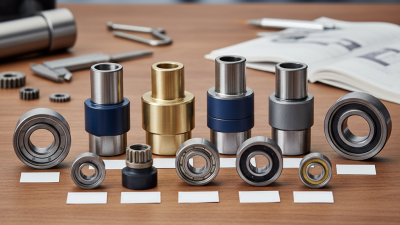
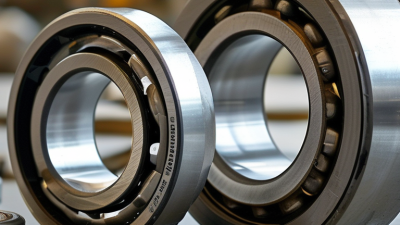
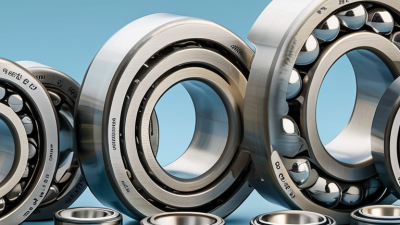
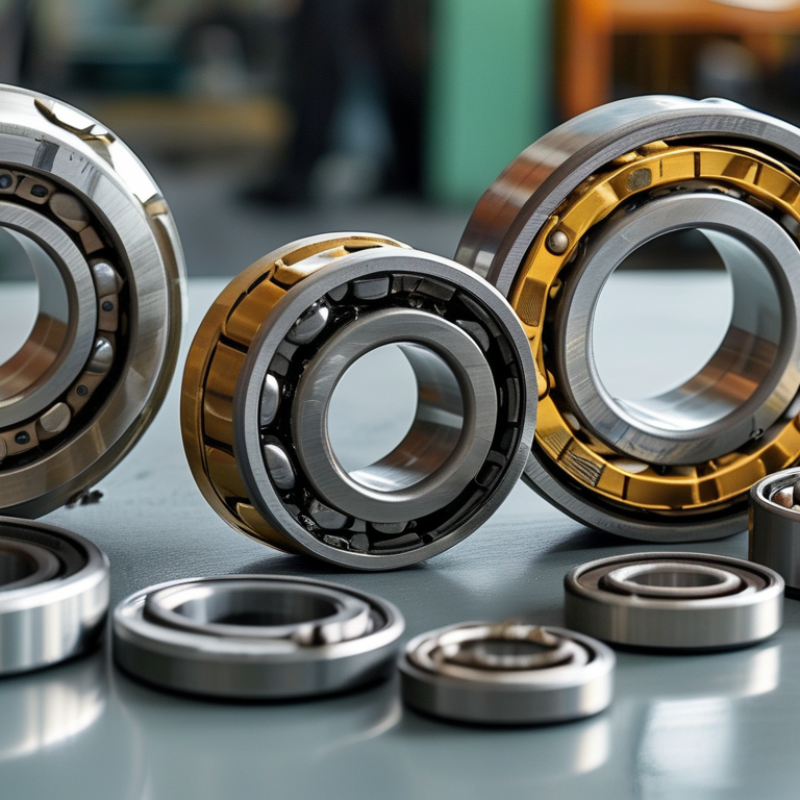
Selecting the right type of bearings is crucial for achieving optimal efficiency in industrial applications. These components minimize friction and improve the performance of machinery. Various types of bearings serve distinct functions. Roller bearings, for example, handle heavy loads effectively. They are great for heavy machinery in construction or manufacturing settings. On the other hand, ball bearings are ideal for high-speed applications. Their design allows for smooth and quick rotations.
Tips: Always assess the load capacity needed for your equipment. Choosing the right bearing type can significantly enhance operational efficiency. Don't overlook maintenance. Regular checks can prevent unexpected breakdowns.
Another important aspect is the material of the bearings. Steel bearings are commonly used due to their durability. However, ceramic bearings offer lower friction and resistance to heat. This can be beneficial in high-speed applications. It's essential to understand your specific requirements and make informed decisions.
Tips: Consider the environment where the bearings will operate. Factors like temperature and exposure to chemicals can affect performance and lifespan. Take the time to review your options attentively. This reflection may help you avoid costly mistakes in the long run.
Best Bearings And Power Solutions For Your Business Needs
This chart illustrates the efficiency of different types of bearings used in industrial applications. The data represents the performance metrics based on load capacity and rotational speed.
Key Factors Affecting Bearing Performance and Reliability Metrics
When evaluating bearing performance, several critical factors come into play. Materials used in bearings significantly impact their reliability. High-quality steels or ceramics resist wear and corrosion better. Furthermore, the manufacturing process affects precision. Poorly made bearings can lead to quick failure and unexpected downtimes.
Lubrication is another key aspect. Proper lubrication reduces friction and heat. However, the choice of lubricant matters. Grease or oil must match the bearing design. Inadequate lubrication can lead to overheating. Regular maintenance is essential. Neglecting this can cause irreversible damage.
Environmental conditions also influence bearing efficiency. Dust, moisture, and temperature variations can degrade performance. Protective seals or shields are necessary to combat these challenges. Businesses often overlook this simple solution. Analyzing these factors can drastically improve bearing lifespan and reliability in operations. Each detail shapes overall performance.
Comparative Analysis of Power Solutions: Electric vs. Hydraulic Systems
When considering power solutions for your business, the debate between electric and hydraulic systems is crucial. Electric systems offer precision and lower maintenance costs. They are often cleaner, generating less environmental waste. However, they may lack the sheer power required for heavy-duty tasks. On the other hand, hydraulic systems excel at high force applications, providing excellent torque. Yet, they come with higher operational costs and potential leakage issues.
Tips: Assess your business needs. Determine if high force or precision is more critical.
Choosing the right system also involves understanding energy efficiency. Electric systems typically provide better energy savings, especially in smaller operations. Hydraulic systems draw energy only when needed, but their energy loss can be significant over time. It’s essential to evaluate the long-term operational costs.
Tip: Calculate both upfront and ongoing costs to get a clear picture.
Don’t overlook the learning curve involved. Transitioning to a new system can affect productivity initially. Implementing employee training to adapt to new technologies is a worthwhile investment. Consider the scalability of your chosen solution, as your needs may evolve.
Tip: Plan for the future. Ensure your systems can grow with your business.
Case Studies: Successful Implementation of Bearings and Power Solutions
Case studies in the bearings and power solutions sector highlight the transformational impact of modern technologies. For instance, a recent report by the International Journal of Mechanical Engineering showcased a manufacturing plant that reduced downtime by 30% through optimized bearing selection. Improved energy efficiency not only cut costs but also enhanced operational stability.
Investing in quality bearings can lead to significant improvements. In one case, a logistics company upgraded its conveyor systems with high-performance bearings. This change resulted in a 20% increase in throughput and a noticeable improvement in reliability. However, implementation wasn't without challenges. Some employees needed additional training to adapt to the new systems.
Tips for businesses include ensuring regular maintenance schedules for equipment. This can extend bearing life and performance. Additionally, consider collaborating with suppliers to access expert insights. Having a reliable partner can guide informed decisions, helping to navigate the complexities of power solutions and bearing applications. Such strategic moves can lead to long-term benefits.
Best Bearings And Power Solutions For Your Business Needs? - Case Studies: Successful Implementation of Bearings and Power Solutions
| Industry |
Application |
Bearing Type |
Power Solution |
Benefits Achieved |
| Manufacturing |
Conveyor Systems |
Deep Groove Ball Bearings |
Electric Motors |
Increased efficiency and reduced maintenance costs |
| Agriculture |
Tractors |
Tapered Roller Bearings |
Hydraulic Systems |
Enhanced performance and longer lifespan |
| Automotive |
Electric Vehicles |
Angular Contact Bearings |
Battery Management Systems |
Improved energy efficiency and reduced weight |
| Aerospace |
Jet Engines |
Ceramic Bearings |
Advanced Power Electronics |
Weight reduction and high reliability |
| Construction |
Heavy Machinery |
Spherical Bearings |
Diesel Generators |
Reduced downtime and improved power output |
Future Trends in Bearing Technology and Power Solutions for Businesses
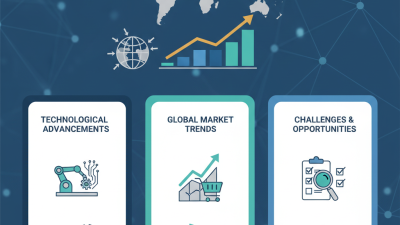
In recent years, bearing technology has undergone significant advancements. Industries are moving towards solutions that enhance efficiency and reduce environmental impact. A 2022 report by Research and Markets found that the global bearing market is expected to grow at a CAGR of 6.2% from 2022 to 2027. This growth is driven largely by the demand for innovative materials and designs.
As businesses seek to improve their operations, adaptive bearing solutions are becoming critical. The use of artificial intelligence in predictive maintenance can minimize downtime. According to the same report, nearly 70% of companies implementing AI-driven solutions in their equipment noted a reduction in failure rates. However, many businesses still rely on outdated technologies. This reliance can lead to inefficiencies and increased operational costs.
The trend towards sustainable practices is reshaping power solutions as well. Companies are exploring renewable energy alternatives to power machinery. The International Energy Agency reported that investments in renewables reached a record $280 billion in 2021. While these changes promise benefits, the transition is often challenging. Companies may face hurdles in integrating these new technologies. Balancing innovation with existing systems requires careful planning and execution.