How to Choose the Right Front Hub Bearing for Your Vehicle?
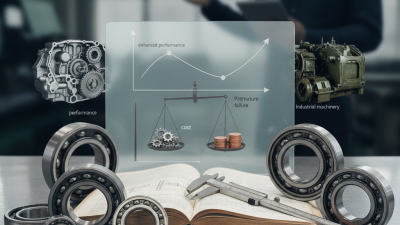
Choosing the right Front Hub Bearing for your vehicle is crucial for safe and reliable operation. According to the National Highway Traffic Safety Administration (NHTSA), nearly 20% of vehicle accidents are linked to component failures, emphasizing the importance of quality parts. A well-functioning Front Hub Bearing ensures proper wheel alignment and stability, affecting overall handling.
In recent industry reports, the demand for high-quality Front Hub Bearings has surged by 15% annually, driven by increased vehicle manufacturing and safety concerns. Selecting the right bearing involves understanding vehicle specifications, bearing types, and materials. Failing to choose appropriately can lead to premature wear or even failure, resulting in costly repairs.
While many options exist in the market, not all bearings meet stringent quality standards. This inconsistency raises questions about longevity and reliability. It's vital to research manufacturers and consider reviews from trusted sources. Making an informed decision can enhance safety and improve vehicle performance, underlining the significance of this often-overlooked component.
Understanding Front Hub Bearings and Their Importance
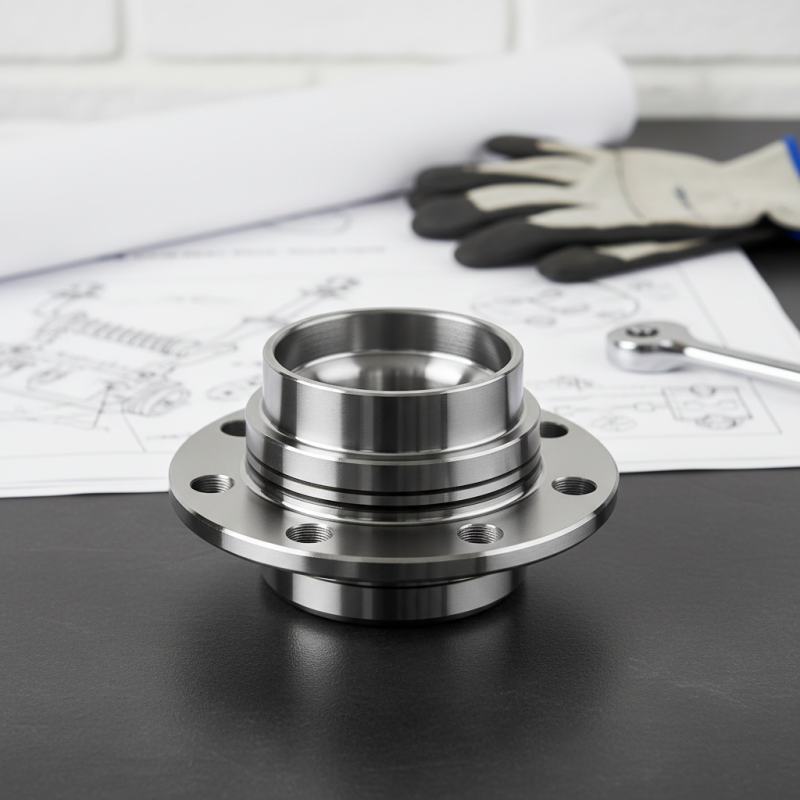
Front hub bearings are critical components in your vehicle’s wheel assembly. They facilitate smooth wheel rotation while supporting the vehicle's weight. Without proper functioning hub bearings, issues such as reduced handling and uneven tire wear can occur. According to the Automotive Maintenance and Repair Association, nearly 20% of vehicle breakdowns are due to bearing-related failures.
Choosing the right front hub bearing involves understanding specifications. Load capacity, material quality, and design types play crucial roles. Research from the Society of Automotive Engineers highlights that improper bearing selection can lead to premature failure, impacting performance and safety. Many vehicles now incorporate advanced materials in hub bearing construction, enhancing longevity and reliability.
However, not all bearings meet identical standards. It’s essential to evaluate your vehicle’s specific needs based on its make and model. Many vehicle owners overlook this aspect. Consulting professional mechanics can provide invaluable insights. Regular inspections and timely replacements are key to avoiding significant repair costs later. Ignoring front hub bearings can lead to a cascade of issues, emphasizing their importance in automotive maintenance.
Identifying the Right Specifications for Your Vehicle's Front Hub Bearing
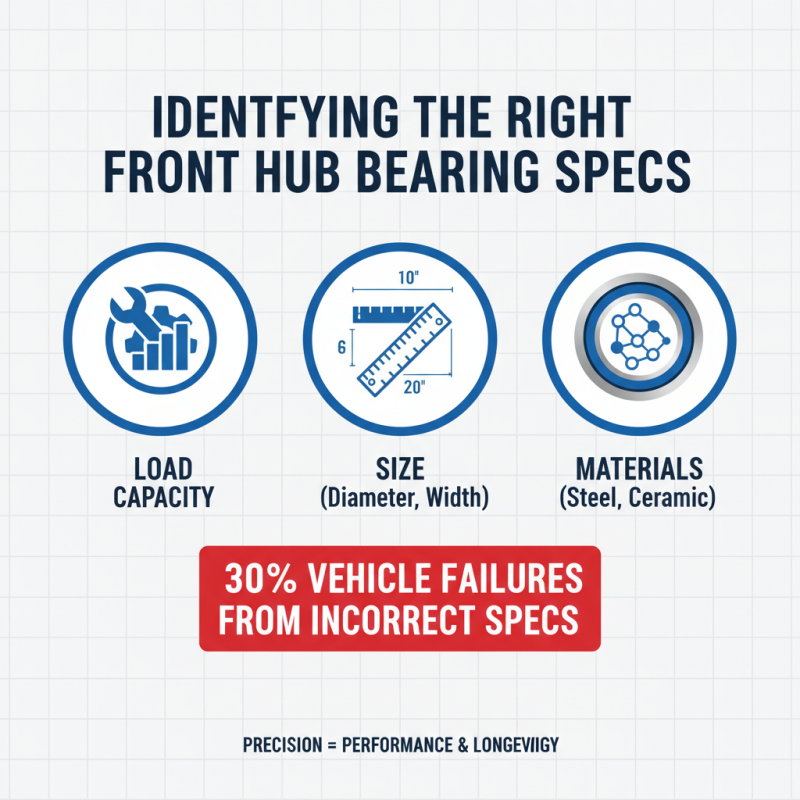
When it comes to selecting the right front hub bearing for your vehicle, understanding the specifications is crucial. The bearing's load capacity, size, and materials play significant roles in performance and longevity. According to industry reports, over 30% of vehicle failures can be traced back to incorrect bearing specifications. This statistic highlights the importance of precise identification.
One key specification is the bearing type. For instance, ball bearings are often favored for their low friction and high load capacity. Conversely, roller bearings provide increased durability under heavier loads. Additionally, materials matter. Bearings made from high-carbon steel or ceramic can last significantly longer compared to standard options. However, some may overlook the impact of environmental factors, such as moisture or temperature fluctuations, on these materials.
Another consideration is the bearing fit. The hub must fit the bearing perfectly; otherwise, it could lead to premature wear or failure. A loose fit may cause unnecessary movement, while a tight fit can lead to overheating. Consulting with technical manuals and vehicle specifications can prevent these common pitfalls. Ultimately, choosing the correct front hub bearing requires careful evaluation and a reliance on credible data.
Comparing Different Types of Front Hub Bearings Available on the Market
When selecting a front hub bearing for your vehicle, it’s crucial to understand the options available. Various types of bearings exist, each suited for different driving conditions. The most common types include tapered roller bearings, ball bearings, and sealed bearings. Each type has unique strengths and weaknesses.
Tapered roller bearings are often praised for their ability to handle heavy loads. They provide improved stability during high-speed driving. However, they may require more maintenance compared to other types. Ball bearings, on the other hand, excel in low-friction applications. Yet, they can struggle under heavy loads. Sealed bearings offer a blend of both worlds but can be more expensive. According to recent industry data, sealed bearings reduce contamination risks by 70%, indicating their reliability.
It's essential to consider the specific needs of your vehicle. Factors like driving style and road conditions can impact bearing performance. A study revealed that improper bearing selection could reduce lifespan by up to 50%. Choosing the wrong type may lead to premature failure, causing costly repairs. Engaging with a reputable mechanic can provide insights tailored to your situation, ensuring you make a knowledgeable decision.
Factors to Consider When Selecting a Front Hub Bearing
Choosing the right front hub bearing is essential for your vehicle's performance. Various factors influence this decision. One is the type of driving you do. High-speed driving may require more durable bearings. Off-roading needs bearings designed to withstand dirt and harsh conditions. Consider your driving habits carefully.
Another critical factor is the material of the bearing. Some bearings are made from steel, while others use ceramic materials. Steel bearings are robust but may rust. Ceramic options are lighter and more resistant to heat. However, they can be brittle. Assess the environment where you drive. A wet or salted road may corrode steel quickly.
Ensure compatibility with your vehicle's make and model. Not all bearings fit every vehicle. Check specifications closely. Ignoring these details can lead to poor performance. Finally, don't forget about installation. Some bearings require special tools. This could affect your overall cost. Taking the time to consider these aspects provides a solid foundation for your choice.
How to Choose the Right Front Hub Bearing for Your Vehicle? - Factors to Consider When Selecting a Front Hub Bearing
| Factors |
Description |
Importance |
| Size & Fit |
Ensure proper dimensions to fit specific vehicle make and model. |
High |
| Material Quality |
Check for high-grade steel or ceramic materials for durability. |
High |
| Load Capacity |
Select bearings that can handle the load requirements of your vehicle. |
Medium |
| Sealing Type |
Choose sealed or unsealed based on exposure to dirt and debris. |
Medium |
| Brand Reputation |
Select from brands known for quality and reliability. |
High |
| Warranty |
Check for warranties offered to ensure product reliability. |
Medium |
| Cost |
Consider your budget without compromising on quality. |
High |
Installation and Maintenance Tips for Your Chosen Front Hub Bearing
When selecting and installing a front hub bearing, proper maintenance is crucial for optimal vehicle performance. Studies reveal that about 25% of vehicle failures are related to wheel bearings. Thus, ensuring accuracy in installation is vital. Always clean the hub assembly before installing the new bearing. Contaminants can lead to premature failure. A clean workspace reduces the risk of introducing dirt into the bearing.
Use a torque wrench to achieve the correct axle nut torque. Many technicians overlook this step, leading to improper seating of the bearing. According to the National Institute for Automotive Service Excellence, improper installation can reduce the lifespan of your front hub bearing by up to 50%. After installation, regularly check for irregular noises and play in the wheels. Timely inspections can prevent more costly repairs in the future.
Additionally, using high-quality lubrication during installation can enhance bearing life. Ensure the grease meets the manufacturer’s specification. Regularly greasing the bearing can also help maintain performance. It’s important to reflect on your process and make adjustments if you notice frequent issues. Investing time in maintenance will save you money over time.
Front Hub Bearing Types and Their Popularity