In the world of mechanical design, choosing the right components is crucial. Stick bearings are essential for many projects. These bearings offer reduced friction and improved efficiency. Renowned engineer John Smith once stated, “Stick bearings are often overlooked but are vital to a project’s success.” His insight highlights the importance of selecting the best options.
Many designers face challenges when picking stick bearings. The sheer variety can overwhelm. It's easy to make mistakes without proper guidance. A poorly chosen bearing can lead to failures. This emphasizes the need for reliable information and expert recommendations.
Understanding the unique features of each stick bearing can make a difference. Quality, durability, and compatibility are key factors. The right choice directly impacts performance and longevity. Investing time in research pays off. Choosing wisely ensures smooth operation in your projects. Each detail matters in achieving excellence.
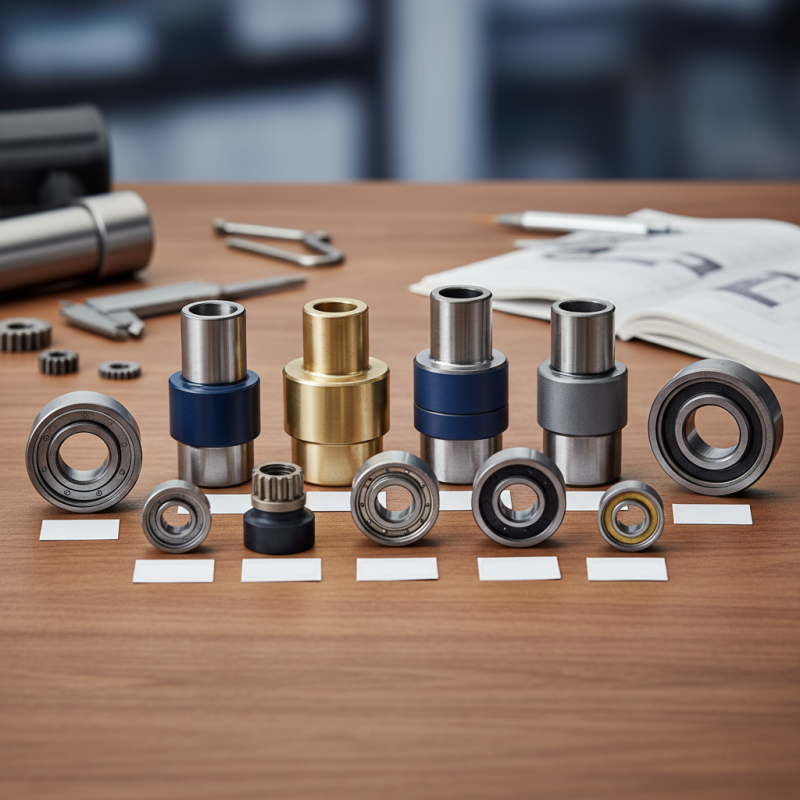
Stick bearings are mechanical elements used in various applications. They provide support and reduce friction. Understanding their types and designs is crucial for optimal performance in projects. A well-chosen stick bearing can enhance functionality significantly.
When selecting stick bearings, consider the load requirements. An unsuitable bearing may lead to premature wear. Evaluate the material as well. Metal and plastic bearings offer different benefits. Heat resistance and lubrication needs also play vital roles. Remember that not all environments are ideal for every bearing type.
Tips: Always inspect bearings for wear signs. Regular checks can prevent project delays. Ensure proper alignment during installation. This simple step can enhance longevity. If you are uncertain about the specifications, consult technical resources or professionals. Learning from others’ experiences saves time and resources.
When choosing stick bearings, several key factors come into play. Load capacity, material type, and lubrication are crucial considerations. According to industry reports, stick bearings made from high-performance polymers can handle dynamic loads more effectively. In contrast, metal bearings generally offer better stability under heavy static loads. Understanding these distinctions helps in selecting the right option for your project.
Tip: Consider the environment where the bearings will be used. Some materials perform better in high-temperature settings or harsh chemicals. Reports indicate that nylon bearings can operate effectively in temperatures ranging from -40°F to 200°F, making them versatile for various applications.
Another factor is the bearing's width and length. A longer stick bearing can distribute the load more evenly. However, ensure that it fits within the dimensions of your design. Overextending the bearing beyond its specifications can lead to premature failure, leading to costly repairs. Always verify specifications before making a final decision.
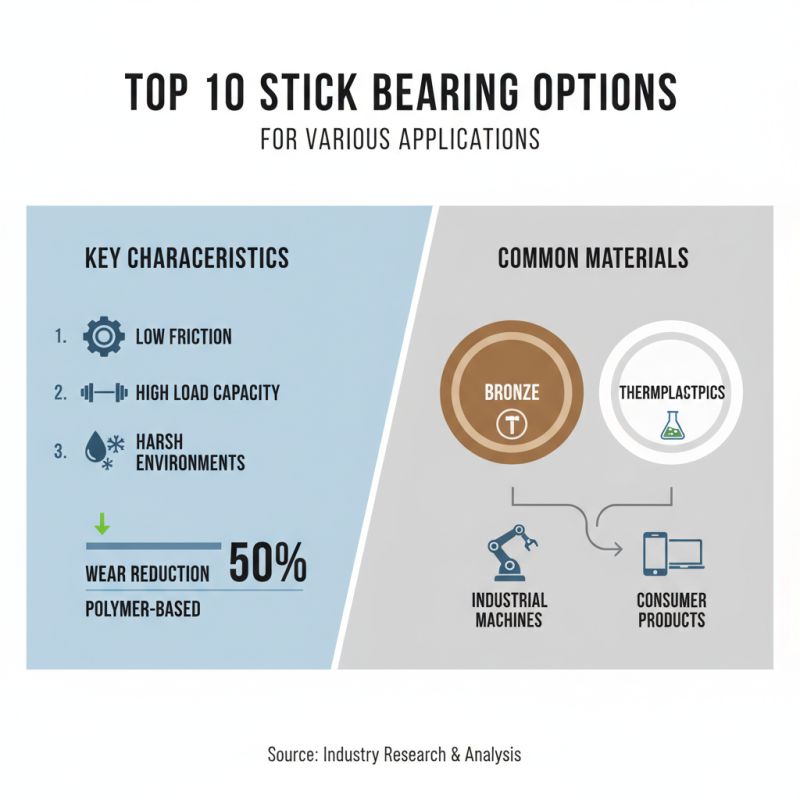
When selecting stick bearings for various applications, understanding their unique characteristics is vital. Stick bearings, often made from materials like bronze or thermoplastics, provide low friction while maintaining high load capacities. Research indicates that polymer-based bearings can reduce wear rates significantly, up to 50% in some scenarios. Their ability to perform in harsh environments makes them suitable for both industrial machines and consumer products.
Applications vary widely. In automation equipment, stick bearings allow for smooth linear motion, increasing efficiency. A report indicated that using high-quality bearings can improve equipment lifespan by up to 30%. However, poor integration can lead to excessive wear and malfunction. Therefore, careful consideration of installation methods is essential.
Another application is in automotive systems, where stick bearings often support steering and suspension components. Here, durability is critical. Data suggests that bearings with optimized design reduce friction resistance, leading to better fuel efficiency. Nonetheless, engineers must always balance cost versus performance, as initial savings could lead to longer-term maintenance issues. Keeping up with technological advancements ensures that the best stick bearing options are utilized effectively across various sectors.
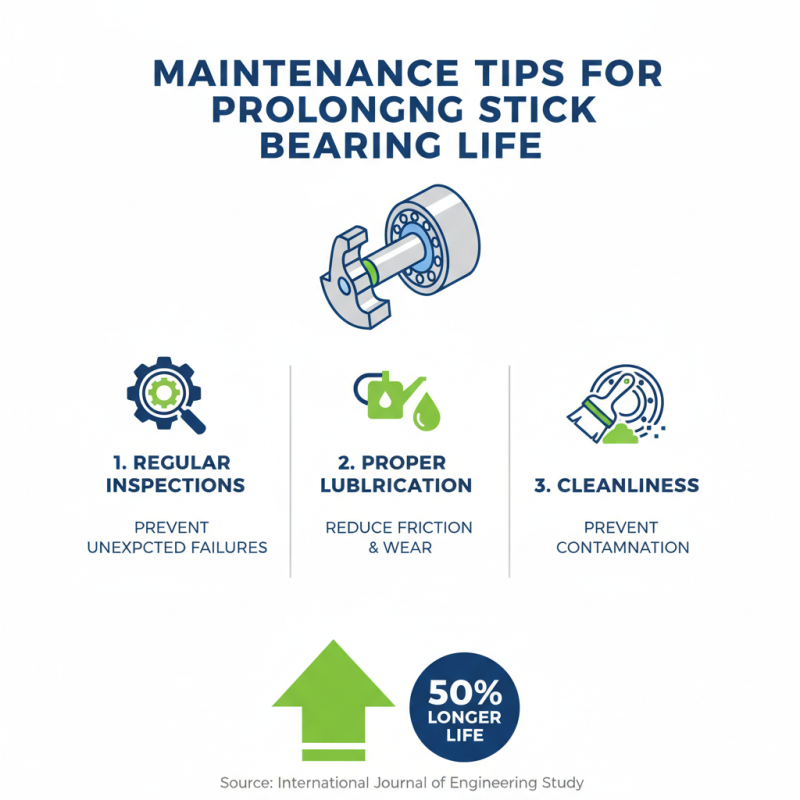
Stick bearings are vital components in various applications, providing support and reducing friction. To ensure they last, maintenance is crucial. Regular inspections can prevent unexpected failures. A study by the International Journal of Engineering shows that proper maintenance can extend bearing life by up to 50%.
Cleaning is essential. Dust and debris can lead to premature wear. Use a soft cloth or air compressor to remove particles. Lubrication should not be overlooked. The right type and amount of lubricant reduce friction and heat. The American Society of Mechanical Engineers recommends checking lubrication levels monthly.
Temperature control plays a significant role too. Extreme temperatures can damage bearings. Aim to maintain a stable environment to avoid stress. Even minor temperature fluctuations can have lasting effects. Consider using heat shields or insulators as protective measures. Avoiding moisture is also critical; water can dilute lubricants and corrode components. Stay proactive in your maintenance routine, and avoid some common pitfalls, such as neglecting to verify the material compatibility. Effective maintenance strategies lead to longer-lasting stick bearings and smoother operations.
Stick bearings, also known as sleeve bearings, are a popular choice in various engineering applications due to their simple design and effective functionality. A report by the International Bearing Association states that stick bearings can handle a wide range of loads and speeds. They offer a lower friction coefficient compared to rolling element bearings, which can enhance energy efficiency. This makes them an attractive option for industries like automotive and aerospace, where reducing weight and increasing performance are critical.
When comparing stick bearings to ball or roller bearings, it's crucial to consider durability. Stick bearings can often endure higher loads at lower speeds, but they might wear out faster under high-speed conditions. Data from the Journal of Tribology highlights that while stick bearings typically have longer life in certain applications, they are more susceptible to contamination. Unlike their rolling counterparts, stick bearings require a clean environment to maintain optimal performance. Decisions should be informed by the specific context of the project, reflecting a trade-off between durability and efficiency.
In applications where space is limited, stick bearings can offer a more compact solution. However, this comes with the caveat that they must be properly lubricated to function effectively. Studies show that improper lubrication significantly decreases lifespan and functionality. Therefore, project managers need to weigh these factors carefully. Choosing the right bearing type can make a significant difference in performance and longevity.
| Bearing Type | Material | Load Capacity (N) | Temperature Range (°C) | Lifespan (Hours) | Cost ($) |
|---|---|---|---|---|---|
| Plastic Stick Bearing | PTFE | 500 | -20 to 80 | 3000 | 5 |
| Metal Stick Bearing | Aluminum | 1000 | -40 to 150 | 5000 | 10 |
| Composite Stick Bearing | Polymer | 750 | -30 to 90 | 4000 | 8 |
| Ceramic Stick Bearing | Zirconia | 2000 | -40 to 120 | 8000 | 20 |
| Nylon Stick Bearing | Nylon 6/6 | 600 | -40 to 85 | 2500 | 6 |
| Bronze Stick Bearing | Bronze Alloy | 1500 | -20 to 150 | 6000 | 12 |
| Rubber Stick Bearing | Natural Rubber | 400 | -30 to 70 | 2000 | 4 |
| Steel Stick Bearing | Carbon Steel | 1700 | -20 to 140 | 6500 | 15 |
| Delrin Stick Bearing | Acetal | 800 | -40 to 100 | 5000 | 10 |
| PTFE Stick Bearing | PTFE | 900 | -200 to 260 | 10000 | 25 |