Top Wheel Hub Bearing Types for Global Buyers?
Choosing the right Wheel Hub Bearing is crucial for ensuring vehicle safety and performance. As global buyers explore options, the variety available can be overwhelming. Each type of Wheel Hub Bearing has its benefits and drawbacks.
A well-informed purchase can prevent future issues. Quality Wheel Hub Bearings enhance vehicle longevity. However, not all brands guarantee the same reliability. Local market conditions and specific vehicle needs must influence decisions.
Buyers should prioritize research and expert reviews. Understanding the differences between designs is essential. Some products may fail to meet expectations or industry standards. Reflecting on these aspects can lead to better choices and sustained vehicle performance.
Understanding Wheel Hub Bearings and Their Importance
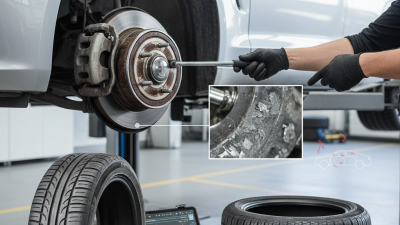
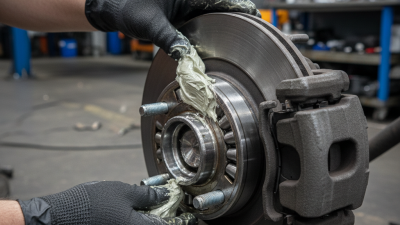
Wheel hub bearings are critical components in any vehicle. They support the weight of the vehicle and ensure smooth rotation of the wheels. If these bearings fail, it can lead to serious safety issues. Understanding their function can help buyers make informed decisions when purchasing replacements.
High-quality wheel hub bearings enhance performance and longevity. They reduce friction and wear, which is essential for maintaining efficiency. Check for signs of wear, like unusual noises or vibrations while driving. These could indicate that your bearings need attention.
Tips: Regular inspections can help catch issues early. Always prioritize quality over cost when selecting bearings. A good bearing may cost more upfront but can save money in repairs later on. Remember, neglecting wheel hub bearings can lead to bigger problems down the line, such as premature tire wear or brake system failure.
Top Wheel Hub Bearing Types for Global Buyers
| Bearing Type |
Material |
Load Capacity (kg) |
Application |
Notes |
| Angular Contact Ball Bearing |
Steel |
1000 |
Performance Vehicles |
High precision and speed |
| Tapered Roller Bearing |
Chrome Steel |
1500 |
Passenger Cars & Trucks |
Offers high load capacity |
| Spherical Roller Bearing |
Steel & Brass |
2000 |
Heavy Machinery |
Handles misalignment well |
| Deep Groove Ball Bearing |
Carbon Steel |
800 |
Automotive & Industrial |
Versatile and cost-effective |
| Hybrid Ceramic Bearing |
Ceramic & Steel |
1200 |
High-Performance Racing |
Lightweight and high-speed capability |
Common Types of Wheel Hub Bearings Used in the Automotive Industry
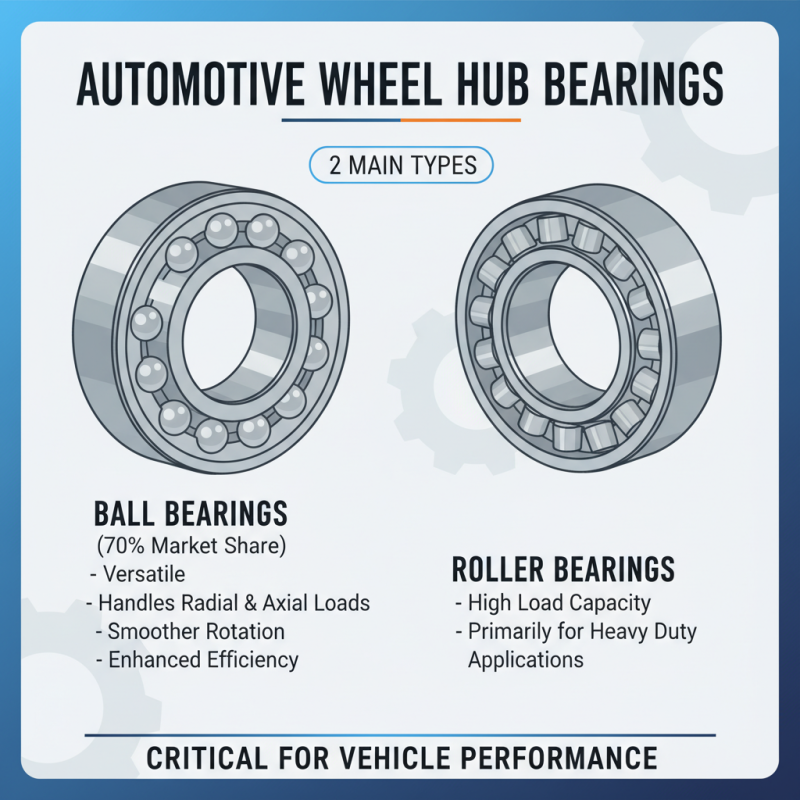
Wheel hub bearings play a critical role in vehicle performance. The automotive industry predominantly uses two types: ball bearings and roller bearings. Ball bearings are known for their versatility and ability to handle both radial and axial loads. According to a report by Technavio, ball bearings account for approximately 70% of the global wheel hub bearing market. Their design allows for smoother rotations, enhancing vehicle efficiency.
On the other hand, roller bearings are gaining popularity. They offer higher load capacities and durability, making them ideal for heavier vehicles. In fact, market analysis from Market Research Future indicates a 5% annual growth rate in the demand for roller bearings. However, some manufacturers face challenges with roller bearings. They can be more complex to install, leading to higher failure rates if not fitted properly. This underscores the need for expertise in both selection and installation.
Furthermore, hybrid wheel hub bearings are emerging. These combine features of both ball and roller bearings, offering improved performance. Yet, they remain less common due to higher costs. Industry professionals must weigh these factors carefully when choosing or recommending a wheel hub bearing type. The ongoing evolution in bearing technology promotes better safety and efficiency in vehicles, but it also demands continuous learning from automotive technicians.
Factors to Consider When Choosing Wheel Hub Bearings
When selecting wheel hub bearings, several critical factors must guide your decision. The type of vehicle plays a significant role in this choice. Passenger cars often require different specifications compared to trucks or SUVs. A report from the Automotive Aftermarket Suppliers Association (AASA) indicates that improper bearing selection can lead to premature failure, affecting vehicle safety and performance.
Environmental conditions are also essential. Vehicles operating in extreme climates may need bearings that can withstand variations in temperature and moisture. Furthermore, the materials used in the bearings greatly influence their durability. Premium materials can enhance longevity, but they often come with higher costs. A survey from the Society of Automotive Engineers (SAE) shows that up to 30% of bearings fail due to material fatigue, underscoring the importance of this factor.
Additionally, you should consider installation complexity. Some bearings are designed for easy replacement, while others require specialized tools or expertise. A significant number of DIY enthusiasts encounter challenges during installation, which can compromise the bearing’s performance. Research from industry experts suggests that improper installation could account for 15% of wheel hub bearing failures. Choosing the right bearing involves weighing various factors, ensuring that both quality and suitability align with your specific needs.
Top Wheel Hub Bearing Types Worldwide
Top Manufacturers and Brands of Wheel Hub Bearings Worldwide
When considering wheel hub bearings, buyers worldwide can explore various manufacturers and brands. Quality and reliability are crucial factors in choosing the right bearing for different vehicle models. Leading brands often have a solid reputation based on years of expertise.
Many manufacturers focus on innovation, striving to enhance performance and durability. They invest considerable resources in research and development to meet evolving automotive standards. However, it is essential to remember that not all brands offer the same level of quality. Some may overpromise and underdeliver.
Tips: Always check the warranty offered. A strong warranty can indicate a manufacturer's confidence in their product. Customer reviews can also provide insights into real-world performance. Consider both independent tests and user feedback. Diversity in options helps, but don't rush your decision. Investing time in research can lead to better choices. Prioritize manufacturers known for their rigorous quality control.
Trends and Innovations in Wheel Hub Bearing Technology
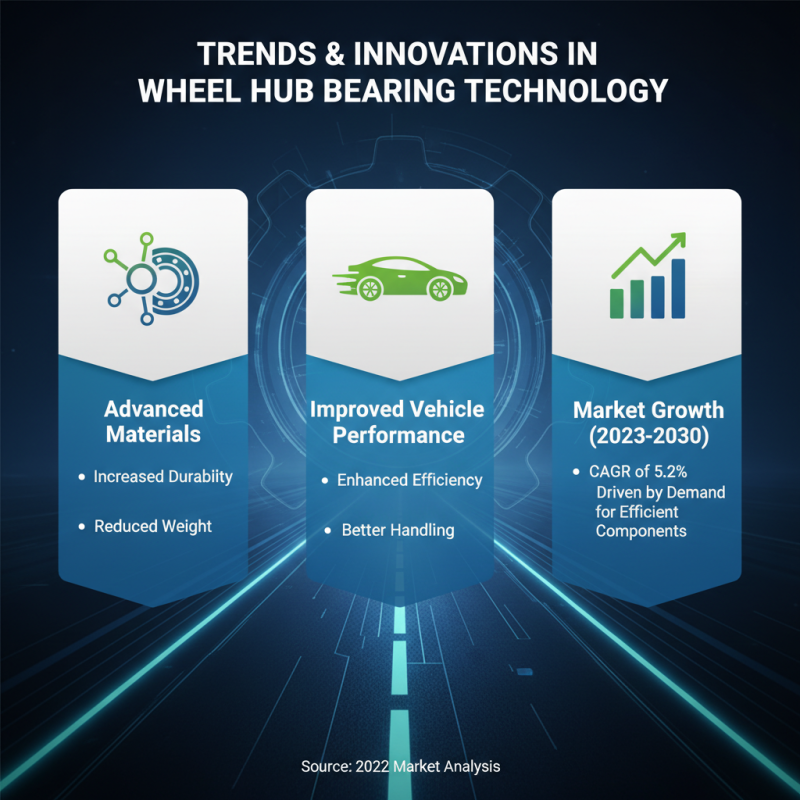
The wheel hub bearing sector is evolving rapidly. Recent reports highlight a significant shift toward advanced materials. These materials increase durability and reduce weight, improving vehicle performance. According to a 2022 market analysis, the global wheel hub bearing market is projected to grow at a CAGR of 5.2% from 2023 to 2030. This growth stems from the rising demand for efficient automotive components.
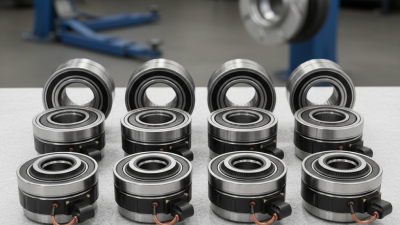
Innovations in technology are also key. Smart bearings, equipped with sensors, are gaining traction. They provide real-time data on performance and wear. This technology can preemptively identify issues, enhancing vehicle safety. A study found that using smart bearings may cut maintenance costs by up to 30%. Despite these advancements, challenges remain. The initial investment in smart technology can deter many manufacturers.
Environmental considerations are shaping trends as well. Regulations demand reduced emissions and improved fuel efficiency. As a result, many manufacturers are exploring eco-friendly production processes. Yet, this transition isn't uniform across regions. Certain markets lag due to economic constraints. The road ahead is complex but presents opportunities for growth and innovation within the wheel hub bearing industry.