China Top Side Wheel Bearings for Global Buyers?
In recent years, China has emerged as a leading supplier of Side Wheel Bearings, capturing a substantial share of the global market. The demand for high-quality bearings continues to rise, with the global market projected to reach $XX billion by 2025. Renowned industry expert Dr. Michael Chen states, "China's innovative manufacturing techniques are reshaping the Side Wheel Bearing landscape." This evolution offers new opportunities for global buyers.
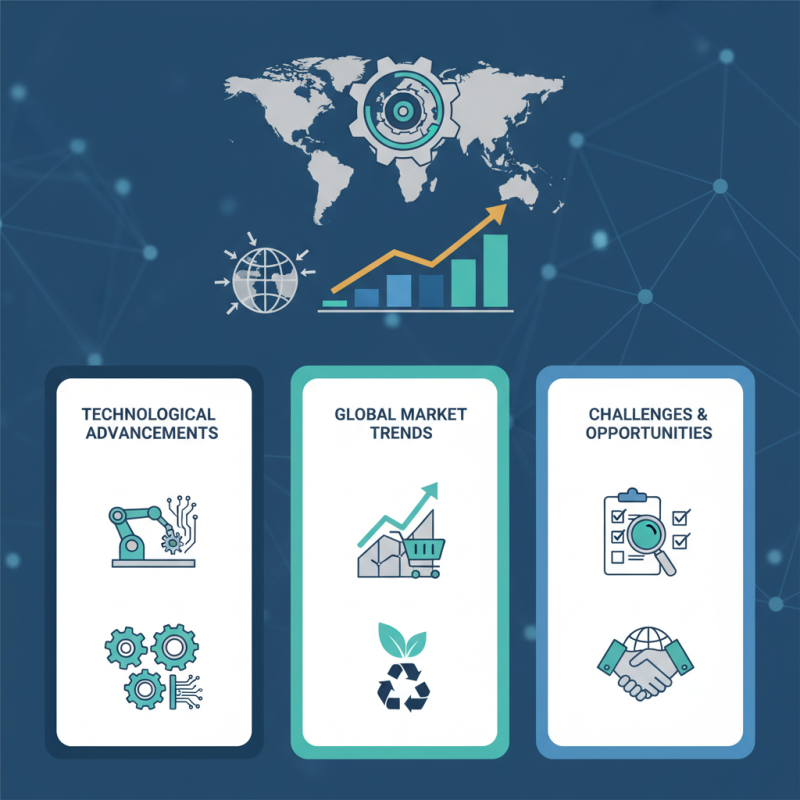
The Side Wheel Bearing industry is characterized by rapid technological advancements. Chinese manufacturers are combining traditional craftsmanship with cutting-edge technology. This synergy allows for the production of durable and efficient products. However, challenges remain. Quality control can vary significantly between manufacturers. Buyers must navigate this landscape carefully.
Moreover, the increasing focus on sustainability is transforming the Side Wheel Bearing market. Consumers are looking for environmentally friendly options. This shift prompts manufacturers to innovate further. In light of these developments, understanding the intricacies of sourcing from China is essential for global buyers. Determining which manufacturers align with their standards is critical.
Overview of Side Wheel Bearings in China
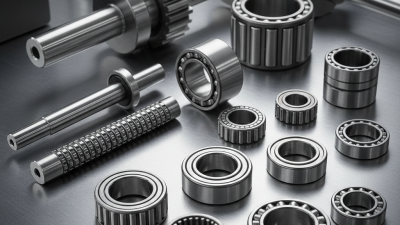
In recent years, China's side wheel bearings have gained significant attention from global markets. These essential components play a crucial role in ensuring smooth and efficient vehicle performance, particularly for cars and heavy machinery. The manufacturing quality in China is often highlighted, with numerous factories following strict quality control standards. This focus on precision has made Chinese side wheel bearings an attractive option for international buyers.
Chinese manufacturers are not without their challenges. Some factories struggle with consistency in product quality. This inconsistency can lead to mixed reviews in the global market. Prospective buyers must carefully assess suppliers before making decisions. It's essential to rely on reputable sources and certifications to ensure reliability.
Moreover, the competitive pricing of Chinese wheel bearings can sometimes compromise perceived quality. While affordability is attractive, buyers should be mindful of the nuances in material and manufacturing processes. Engaging with experienced suppliers can help mitigate risks. It's important to maintain open communication and request quality assessments regularly, ensuring that the acquired products meet the desired standards.
Key Manufacturers of Top Side Wheel Bearings in China
China is a prominent player in the manufacture of top side wheel bearings. This industry has grown significantly due to rising global demand. Various manufacturers have emerged, showcasing strong engineering capabilities. These companies produce bearings that meet international standards, ensuring quality and performance.
Many manufacturers focus on advanced technology and materials. They invest in research and development to enhance product efficiency. The geographic diversity of these manufacturers also fosters innovation. However, quality can vary between companies. Buyers need to conduct thorough evaluations to ensure they select reliable partners.
The competitive landscape poses challenges and opportunities. With many options available, buyers can often find attractive pricing. Yet, cheaper products may lack durability. It’s crucial for buyers to weigh cost against quality. This decision-making process can be complex and deserves careful thought. Ultimately, it is vital to establish long-term partnerships with trustworthy manufacturers to ensure consistent quality and reliability.
China Top Side Wheel Bearings for Global Buyers
| Manufacturer Location |
Annual Production Capacity (units) |
Certification Standards |
Main Export Markets |
Key Features |
| Eastern China |
500,000 |
ISO 9001, TS16949 |
North America, Europe |
High Durability, Low Noise |
| Southern China |
300,000 |
ISO 9001 |
Asia, South America |
Corrosion Resistance, Lightweight |
| Northern China |
400,000 |
ISO 14001 |
Middle East, Africa |
High Performance, Energy Efficient |
| Western China |
250,000 |
ISO 9001, CE |
Europe, North America |
Low Friction, High Load Capacity |
Quality Standards and Certifications for Side Wheel Bearings
In the competitive landscape of side wheel bearings, quality standards and certifications are crucial. Buyers need to understand these benchmarks to make informed choices. The International Organization for Standardization (ISO) provides guidelines that many manufacturers strive to meet. For instance, ISO 9001 focuses on quality management systems. Compliance assures customers of consistent quality and performance.
Mechanical properties are also essential. Reports indicate that around 25% of bearing failures are due to inadequate heat treatment processes. Manufacturers must apply rigorous testing, such as fatigue testing and dimensional accuracy checks. This attention to detail ensures that products meet performance expectations.
However, not all producers adhere to these standards. There is a risk of subpar products entering the market. Some companies might not invest in necessary certifications. This lack of transparency can lead to unforeseen complications in performance. Buyers must conduct thorough investigations into suppliers. Understanding the quality certifications they hold can mitigate risks significantly.
China Top Side Wheel Bearings Quality Standards and Certifications
This chart illustrates the number of manufacturers certified under various quality standards for side wheel bearings in China. Standards such as ISO 9001 and IATF 16949 are critical for ensuring high quality and performance in the automotive industry.
Market Trends and Demand for Side Wheel Bearings Worldwide
The global market for side wheel bearings is evolving rapidly. Recent reports indicate a compound annual growth rate (CAGR) of over 5% from 2021 to 2026. The increasing demand for automobiles drives this growth. In particular, electric vehicles (EVs) are pushing manufacturers to innovate. These vehicles often require specialized side wheel bearings for improved efficiency and reduced noise.
Regionally, Asia-Pacific is the largest market. Factors like urbanization and rising disposable incomes play significant roles. China remains a key player in production, given its robust supply chain. However, quality control remains a pressing issue. Some manufacturers struggle to meet international standards consistently. This leads to dissatisfaction among global buyers who prioritize reliability.
Sustainability is also becoming a focal point. Many buyers are now looking for eco-friendly products. Reports suggest that over 30% of purchasers prefer suppliers with sustainable practices. This shift impacts sourcing decisions significantly. Companies must adapt to these new expectations to succeed. It is crucial to observe how these trends will shape future demand for side wheel bearings worldwide.
Logistical Considerations for Global Buyers of Chinese Bearings
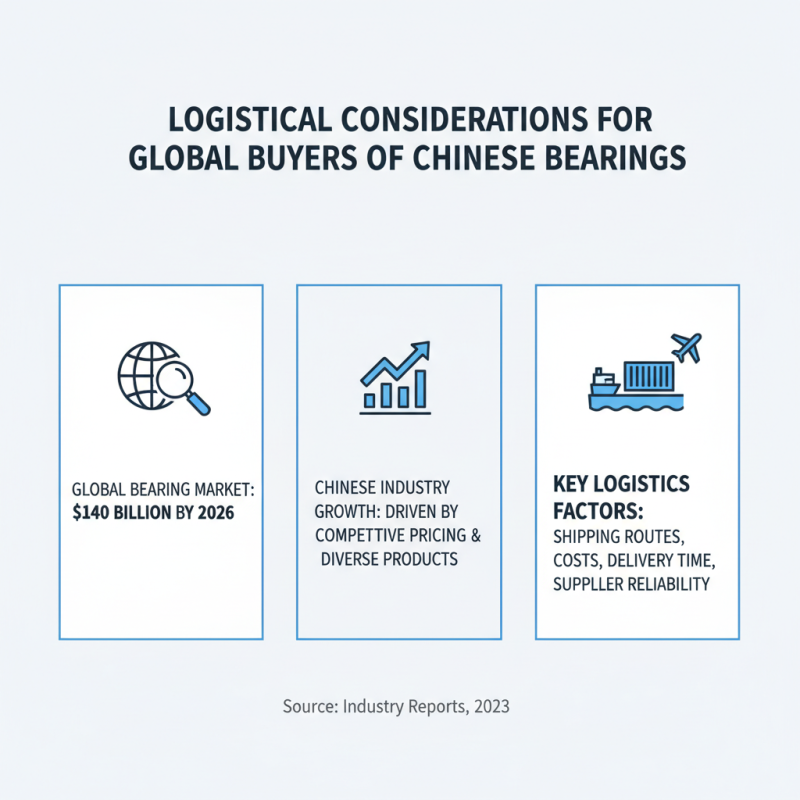
When considering logistics for global buyers of Chinese side wheel bearings, several factors come into play. The rapid growth of the Chinese bearing industry is notable. Reports indicate that the global bearing market will reach approximately $140 billion by 2026. The demand for bearings from China continues to increase due to competitive pricing and diverse product offerings.
However, logistical challenges do exist. Delays in shipping can occur, affecting the overall supply chain. It’s essential for buyers to account for potential disruptions in transit times. Countries with stringent customs protocols may prolong delivery. Additionally, local market conditions can influence prices and availability. Real-time updates on shipping status can be invaluable for managing expectations.
**Tips:** Ensure to partner with reliable logistics providers. They can offer insights into efficient shipping routes. Additionally, monitor currency fluctuations. This can impact the final cost of your imports. Adapting to these challenges is crucial. Those who stay informed will find success easier.