Choosing Power Bearings is not a simple catalog exercise. The correct unit must survive real loads, speeds, temperatures, and maintenance conditions. A bearing that performs well in a clean factory may fail quickly near dust, moisture, or chemical residue.
Tribology pioneer Dr. Peter Jost described tribology as “the science and technology of interacting surfaces in relative motion.” His observation explains why bearing selection requires more than matching a bore diameter. Load direction, shaft deflection, lubrication, sealing, clearance, and housing accuracy all influence service life. Even a small misalignment can create uneven contact across the raceway. The result may appear first as heat, vibration, or a faint metallic sound.
This guide presents ten practical tips for selecting Power Bearings with greater confidence. It considers application speed, radial and axial loads, operating temperature, lubrication intervals, material quality, and installation methods. Each factor deserves attention. None should be treated as an isolated checkbox.
There is no flawless selection formula. Real machines often operate outside their original design assumptions. Dust enters. Grease ages. Operators make mistakes. That uncomfortable reality deserves attention.
A useful starting point is the machine itself. Measure the shaft, inspect the housing, and record operating conditions before choosing a model. Compare manufacturer data with field evidence. Ask whether the selected bearing can tolerate tomorrow’s workload, not only today’s test result. Careful choices reduce noise, downtime, and premature replacement while supporting safer, more reliable equipment operation.

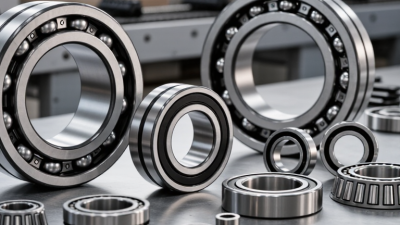
Choosing the right power bearing starts with its operating requirements, not its appearance. Ball bearings suit high-speed, moderate-load applications, while roller bearings handle heavier radial loads. Thrust bearings are designed for axial forces. Plain bearings can tolerate dirt and slow movement, but they depend heavily on correct lubrication. A maintenance engineer should record load direction, shaft speed, temperature, shock, and expected service hours before selecting a type.
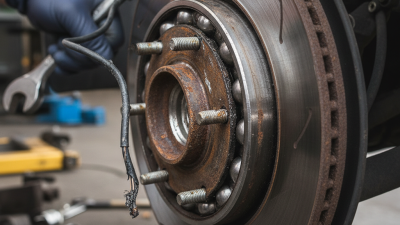
Tips: Check the load path first. A bearing exposed to combined radial and axial forces may need a paired arrangement. Measure the shaft and housing accurately. Even a small fit error can create excess heat, noise, or premature wear. I have seen a well-sized bearing fail because its housing was slightly distorted. The calculation was correct, but the installation was not.
Tips: Match lubrication to the environment. Grease works well for many sealed systems, while oil may better control heat at high speed. Consider clearance, sealing, contamination, misalignment, and thermal expansion. Keep a record of vibration and temperature during commissioning. Early readings provide a useful baseline. Do not rely on catalog load ratings alone; real duty cycles include starts, stops, impacts, and periods of poor alignment. One overlooked detail can matter. Recheck the choice after installation, because operating evidence may challenge the original assumptions.
Choosing power bearings starts with the real load, not the catalog headline. Record radial, axial, and shock loads separately. A conveyor bearing may face steady weight during operation, then sudden impact during startup. Calculate the combined load and include a safety margin based on measured conditions. Too little margin shortens service life. Too much can increase cost and friction.
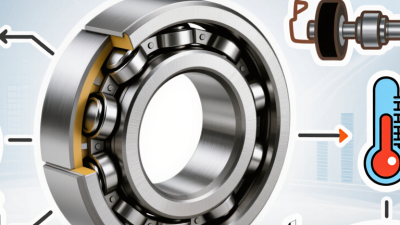
Speed changes the decision. Check rotational speed, acceleration, and operating cycles. A bearing rated for a high speed may still fail under poor lubrication or excessive heat. Measure housing temperature after normal operation, not immediately after installation. In field inspections, vibration readings often reveal alignment problems before visible damage appears. Small details matter.
Environmental conditions deserve equal attention. Dust, water, chemicals, temperature changes, and limited maintenance can alter bearing performance. Select seals, clearance, and lubricant for the actual environment. Confirm shaft fit and housing accuracy, because misalignment creates uneven contact stress. I have seen technically correct calculations fail because the installation surface was ignored. That mistake is easy to repeat. Review test data, service records, and applicable engineering standards before approval. Leave room for uncertainty. A spreadsheet cannot capture every shock, contamination event, or maintenance delay.
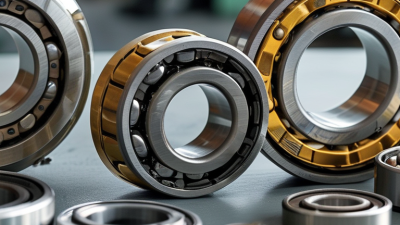
Choosing the right power bearing starts with its working environment, not its catalog size. During maintenance inspections, I check radial load, axial load, speed, temperature, and shaft alignment. A hardened steel bearing suits high loads, while corrosion-resistant materials perform better near moisture or chemical washdown. Polymer options can reduce noise and eliminate some lubrication needs, but they may soften under sustained heat. Material selection is rarely a simple upgrade.
Lubrication must match the bearing and its duty cycle. Use the manufacturer’s specified viscosity range, especially when speed and temperature change sharply. Too much grease can increase drag and heat. Too little can create polished raceways, metal dust, and early failure. I prefer clean, measured application rather than filling every empty space. Oil may support high-speed operation, but it needs reliable delivery and contamination control. Check compatibility before mixing lubricants. Small mistakes matter.
Sealing protects the bearing from dust, water, and abrasive particles. Contact seals offer stronger protection but can add friction. Non-contact shields reduce resistance, though they may allow fine contaminants inside. Inspect the seal lip for cuts, hardening, or uneven wear during every service interval. I once blamed poor material quality for noise that came from a damaged seal. That assumption was wrong. Good selection still needs correct installation, clean tools, and periodic review. Conditions change. Recheck the choice.
10 Tips to Choose the Right Power Bearings
Comparing Bearing Accuracy, Service Life, and Maintenance Needs
Bearing selection should begin with operating evidence, not a catalog number. Check radial loads, shaft speed, temperature, vibration, and expected misalignment. A bearing with higher accuracy can reduce runout in high-speed equipment. However, precision may add cost without improving a slow conveyor. Small errors matter. Measure the shaft and housing before ordering, because poor fits often create early wear.
Service life depends on more than rated load. Contamination, shock loads, lubrication quality, and installation force can change the result. Use calculated life as a planning estimate, not a promise. In field inspections, a quiet bearing may still contain hidden fatigue. Listen for roughness, monitor temperature, and record vibration trends. Dust changes everything. Sealed designs can protect against dirt, while open designs may support easier relubrication.
Maintenance needs should match the equipment’s access and working environment. A bearing inside a hot, enclosed machine may need longer lubricant intervals or remote monitoring. Over-lubrication can raise temperature and damage seals. Under-lubrication is also common when service schedules are vague. I have seen maintenance plans fail because they assumed clean conditions near dusty production lines. That assumption can fail. Keep installation tools clean, align shafts carefully, and document replacement dates, lubricant type, and inspection readings. These details make future decisions more reliable.
Comparing bearing accuracy, service life, and maintenance needs
The chart uses the ISO 281 basic rating life relationship for ball bearings: L10 = (C/P)3, where C is the basic dynamic load rating and P is the equivalent operating load. The values show calculated fatigue life in millions of revolutions under clean lubrication and correctly aligned operating conditions.
For accuracy, ISO 492 classes such as P0, P6, P5, P4, and P2 provide progressively tighter dimensional and running tolerances. Higher accuracy can improve runout and high-speed performance, but service life also depends strongly on load, lubrication, contamination, sealing, alignment, and inspection practices.
10 Tips to Choose the Right Power Bearings
Checking Compatibility, Standards, Costs, and Supplier Reliability
Choosing a power bearing starts with the operating conditions, not the catalog price. Record shaft diameter, housing size, radial load, axial load, speed, temperature, and contamination. A bearing may fit physically but fail under vibration or misalignment. Check the required clearance, seal type, lubrication method, and expected service life. Small details matter.
I have found that drawings and samples should be compared before approval. Confirm dimensions, material, hardness, load ratings, and tolerance classes against current industry standards. Request inspection reports and traceability documents for each production batch. Standards support consistency, but they do not replace application testing. A spreadsheet can still miss real heat, dust, or shock loads.
Cost needs a wider view. Include lubricant, installation tools, downtime, replacement labor, and energy losses. The cheapest bearing can become expensive after one premature failure. Ask suppliers about minimum order quantities, lead times, storage conditions, and technical support. Review their quality controls, complaint process, and ability to maintain stable production. A factory visit may reveal useful evidence, though it cannot prove everything. I once trusted a polished certificate too quickly. The paperwork looked complete, but the sample inspection was too limited. Build in extra checks, and keep communication records. Reliable suppliers answer specific questions clearly and admit limits.
| No. | Selection Dimension | What to Check | Relevant Technical Guidance | Priority | Required Evidence |
|---|---|---|---|---|---|
| 1 | Confirm Dimensional Compatibility | Match bore diameter, outside diameter, width, mounting arrangement, shoulder dimensions, and clearance for adjacent components. | Use the applicable bearing dimensional series and verify shaft and housing drawings before ordering. Even small dimensional differences can prevent correct assembly. | Critical | Approved drawing and dimensional inspection report |
| 2 | Match Load Capacity | Evaluate radial load, axial load, shock loading, load direction, static loading, and any combined-load condition. | Compare the required load with dynamic load rating C and static load rating C0. For basic rating life, ISO 281 uses L10 = (C/P)p million revolutions, where p = 3 for ball bearings and p = 10/3 for roller bearings. | Critical | Load calculation, duty cycle, and bearing rating data |
| 3 | Check Speed and Temperature | Confirm operating speed, acceleration, start-stop frequency, ambient temperature, heat transfer, and permissible bearing temperature. | The limiting speed depends on bearing design, load, lubrication, clearance, cooling, and seal type. A higher speed rating does not automatically guarantee suitability under heavy load or poor cooling. | Critical | Speed-temperature profile and thermal calculation |
| 4 | Select the Correct Internal Clearance | Consider shaft and housing fits, operating temperature, thermal expansion, misalignment, preload, and required running accuracy. | Normal, increased, or reduced internal clearance must be selected according to the application. Excessive clearance can increase vibration, while insufficient clearance can cause overheating and premature failure. | High | Fit calculation and operating-clearance specification |
| 5 | Verify Precision and Standards | Specify dimensional accuracy, radial runout, axial runout, vibration level, material requirements, and inspection tolerances. | ISO 492 defines tolerance classes for rolling bearings. ISO 199 provides guidance related to bearing fits. The required precision class should be based on speed, vibration, positioning accuracy, and equipment function. | High | Certificate of conformity and inspection results |
| 6 | Choose Seals and Lubrication | Assess dust, water, chemicals, washdown, contamination level, relubrication access, grease compatibility, and service interval. | Contact seals generally provide stronger contamination protection than shields but may create more friction and heat. Lubricants should be compatible with the operating temperature, speed, load, and sealing arrangement. | Critical | Seal specification and lubricant compatibility statement |
| 7 | Evaluate Material and Environment | Check steel grade, heat treatment, corrosion exposure, electrical current, humidity, vibration, and contamination risks. | Standard bearing steel is not suitable for every corrosive or electrically active environment. Special materials, coatings, insulation, or improved sealing may be required after application review. | High | Material certificate and environmental suitability review |
| 8 | Compare Total Cost of Ownership | Compare purchase price, installation tools, lubrication, inspection, energy loss, replacement labor, downtime, and expected service life. | The lowest unit price may create a higher lifecycle cost if the bearing requires frequent replacement or causes unplanned downtime. Use cost per operating hour or cost per expected service interval for comparison. | High | Total-cost model and maintenance cost estimate |
| 9 | Assess Supplier Quality Control | Review traceability, incoming-material control, production inspection, cleanliness control, packaging, nonconformance handling, and change notification. | A reliable supplier should provide consistent part identification, batch traceability, documented inspection methods, and a defined corrective-action process. Quality-system certification alone does not replace product verification. | Critical | Audit records, sample reports, and traceability documentation |
| 10 | Confirm Availability and Technical Support | Check standardization, minimum order quantity, lead time, safety stock, replacement availability, engineering response, and warranty terms. | Prefer a documented supply plan with realistic lead times and approved alternatives. Technical support should be able to review loads, fits, lubrication, failure evidence, and installation procedures. | High | Lead-time record, service agreement, and replacement plan |