Top 10 Tips for Repacking Bearings Effectively?
Repacking bearings is a crucial process in maintaining machinery efficiency and longevity. Renowned industry expert, John Smith, emphasizes, "Proper repacking is key to ensuring optimal performance." His insights reflect the importance of following best practices in this field.
Effective repacking can prevent costly breakdowns. Many overlook simple steps, assuming they know the process. However, even small mistakes can lead to significant problems. Tools and materials must be precisely chosen. For instance, using the right grease can make a difference.
The art of repacking bearings requires attention to detail. It’s not just about removing old grease; it’s about ensuring everything is clean. Every step matters, from cleaning the bearing to applying the new grease evenly. An unexpected oversight could impact performance.
Understanding the Importance of Proper Bearing Repacking Techniques
Proper bearing repacking techniques are crucial in ensuring the longevity and efficiency of machinery. Research indicates that inadequate lubrication can lead to a 40% reduction in bearing life. Regular maintenance increases reliability and reduces unexpected breakdowns. It's essential to understand that failing to repack bearings correctly can cause overheating or premature wear.
For optimal results, workers should use the right type and amount of grease. Overloading bearings can trap contaminants and attract dust. Studies show that around 70% of bearing failures stem from contaminated lubricants. Proper training in repacking techniques is vital, as it promotes efficiency and confidence among staff.
Many industry reports recommend checking bearings every 100 to 200 hours of operation for the best performance.
Even the most skilled technicians can overlook details. A momentary lapse can result in catastrophic failures. It’s essential to regularly assess repacking methods and gather data on performance outcomes. Continuous improvement is necessary. Engaging in discussions with peers can enhance understanding and prevent costly mistakes. Maintaining proper communication within teams fosters a culture of diligence and attention to detail in bearing maintenance.
Necessary Tools and Materials for Effective Bearing Repacking
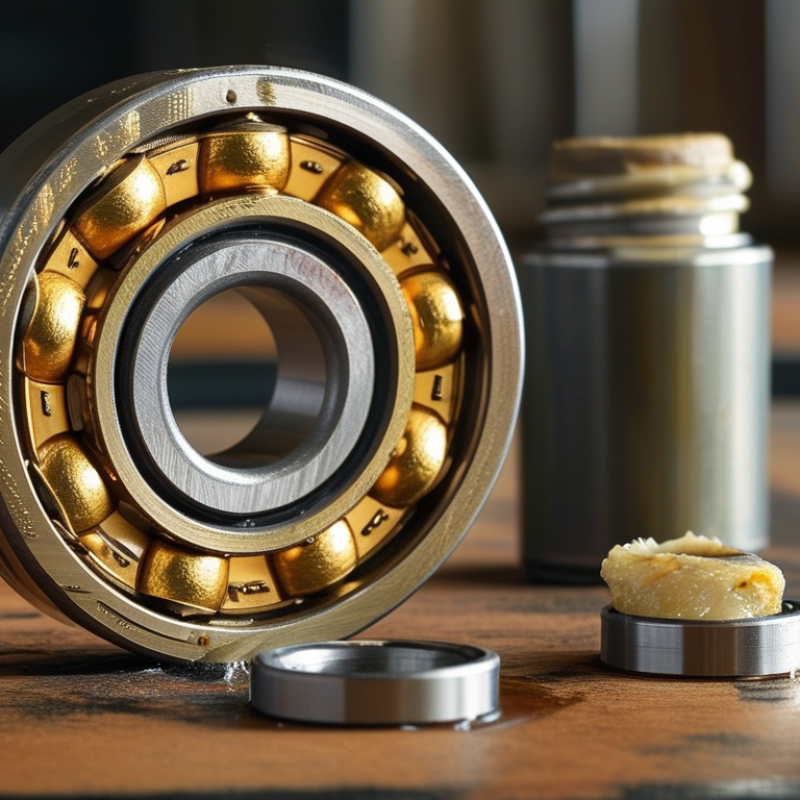
Repacking bearings requires the right tools and materials. Begin with a clean workspace to prevent contamination. You’ll need a bearing puller, grease gun, and cotton cloths. This setup is essential for effective repacking. Ensure you also have a suitable bearing grease. It’s important to select a high-quality option that meets your requirements.
Choose a bearing cleaner to remove old grease. A solvent can help in this process. Don’t rush it; take your time to clean thoroughly. Old grease can cause performance issues. When applying fresh grease, use a steady hand. Too little grease can lead to premature wear. Conversely, too much can cause overheating and create friction.
Having the correct safety gear is also vital. Gloves and safety glasses protect you from grease and debris. Even with experience, mistakes can happen. It's easy to overlook a small detail. Regularly assess your tools and replace any worn-out items. This practice builds trust in your equipment and enhances your work efficiency.
Step-by-Step Guide to Removing Old Grease from Bearings
When it comes to repacking bearings, removing old grease is a crucial step. Start by gathering your tools. You’ll need a bearing puller, a soft cloth, and a degreaser. Carefully remove the bearing from its housing. Inspect it for any visible damage. This attention to detail is essential.
Use the degreaser to break down the old grease. Apply it liberally and give it some time to soak. Gently scrub the bearing with a soft cloth. Make sure to reach all the tight spots. It's easy to miss some areas, and old grease can cause problems later. Rinse with appropriate fluids to remove any residue.
After cleaning, dry the bearing thoroughly. This is often overlooked. Moisture can lead to rust. Once it’s dry, inspect the bearing again. If there are issues, they may affect performance. Taking extra time during these steps ensures a smoother process during repacking.
Techniques for Applying New Grease to Bearings Efficiently
Applying new grease to bearings is a crucial task for maintaining optimal performance. Start by cleaning both the bearings and the housing thoroughly. Use a suitable solvent to remove old grease and debris. This ensures you don't mix incompatible lubricants. After cleaning, dry the components completely.
When applying new grease, avoid overfilling the bearings. Too much grease can lead to excess pressure, causing seals to fail. A good rule of thumb is to fill only one-third of the bearing space. This allows space for expansion during operation. Employ a grease gun with a nozzle that fits your bearing size. This tool helps distribute grease evenly, ensuring complete coverage.
Monitoring the grease application process can be tricky. Sometimes, you might notice grease oozing out after a short period. This indicates an over-application or possible issues with the bearing seals. Regularly inspect bearings to ensure grease levels are adequate. Adjust the application technique based on your findings, and refine your approach for better results. Learning from these observations improves your efficiency and effectiveness in repacking bearings.
Common Mistakes to Avoid When Repacking Bearings
Repacking bearings can be a straightforward task when done right. However, it’s easy to fall into common traps that affect performance. One frequent mistake is using the wrong type of grease. Selecting a lubricant not suited for your application can lead to premature wear and failures. Always check compatibility before proceeding.
Another common pitfall is neglecting cleanliness. Dirt and debris can easily contaminate the bearings during repacking. Always work in a clean environment and use lint-free cloths for wiping. Skipping this step might seem trivial but can result in costly repairs later.
Many also underestimate the importance of proper application techniques. Overpacking or underpacking grease can greatly affect performance. Too much grease can create excess pressure, while too little can lead to insufficient lubrication. Aim for a balance to ensure longevity. Taking these points into account can make the difference between a successful repacking and a frustrating experience.
Top 10 Tips for Repacking Bearings Effectively - Common Mistakes to Avoid When Repacking Bearings
| Tip Number |
Tip |
Common Mistake |
Avoidance Strategy |
| 1 |
Clean Thoroughly |
Skipping the cleaning phase |
Use appropriate solvents and brushes |
| 2 |
Use Proper Tools |
Using makeshift tools |
Invest in the right tools for the job |
| 3 |
Choose the Right Grease |
Using incorrect lubricant |
Refer to manufacturer's specifications |
| 4 |
Check for Damage |
Ignoring cracks or wear |
Inspect thoroughly before repacking |
| 5 |
Seal Properly |
Failing to seal bearings correctly |
Ensure the seals are intact and applied correctly |
| 6 |
Apply Appropriate Amount of Grease |
Overpacking or underpacking |
Follow guidance on grease quantity |
| 7 |
Use New Bearings When Necessary |
Repacking worn bearings |
Replace if there is significant wear |
| 8 |
Store Bearings Properly |
Improper storage leading to contamination |
Use clean, dry containers |
| 9 |
Lubrication After Installation |
Failing to lubricate post-installation |
Always lubricate after assembly |
| 10 |
Regular Maintenance Checks |
Ignoring regular maintenance |
Schedule periodic inspections |