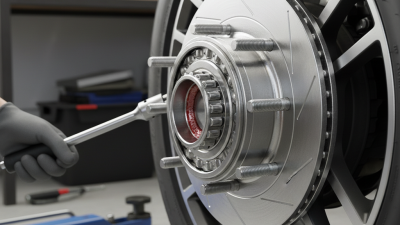
Top 10 Rear Hub Bearing Solutions for Global Buyers?
In today's competitive market, finding the right Rear Hub Bearing is crucial for manufacturers and buyers alike. With a multitude of solutions available globally, it can be overwhelming to choose the best one. This guide explores ten top solutions that cater to various needs and applications.
The importance of quality in Rear Hub Bearings cannot be overstated. These components play a vital role in vehicle efficiency and safety. Poor choices can lead to early failure or compromised performance. Considering factors such as material quality and manufacturing processes is essential.
While many options may seem suitable at first glance, they often fall short. Users must reflect on their specific requirements and the reliability of each solution. Our insights aim to provide a clearer understanding of what to look for when selecting Rear Hub Bearings. With the right knowledge, buyers can make informed decisions that enhance their projects.
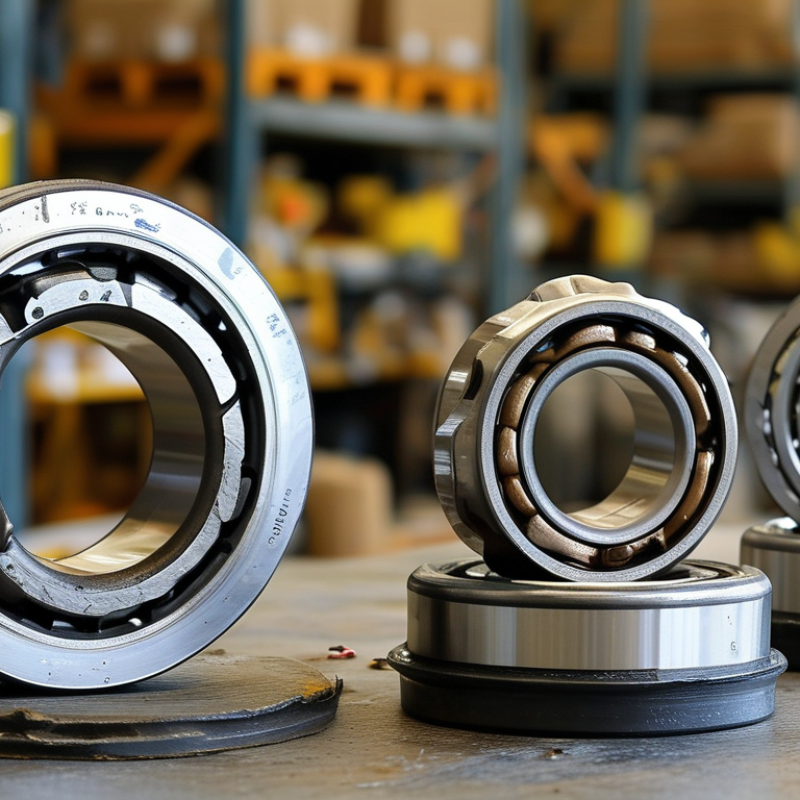
Overview of Rear Hub Bearings in Automotive Applications
Rear hub bearings are vital components in automotive applications, impacting vehicle performance and safety. They facilitate smooth wheel rotation and support loads during vehicle operation. According to industry reports, around 10% of vehicle failures relate to bearing issues. This statistic highlights the importance of reliable rear hub bearings.
The global market for rear hub bearings is expected to grow steadily, driven by expanding automotive production. Market research indicates a projected annual growth rate of 3.5% from 2023 to 2028. Manufacturers are focusing on innovative materials and lubrication techniques to enhance durability. However, factors such as poor installation practices can lead to premature wear.
Despite advances, challenges remain. Many technicians lack proper training in bearing installation, which can compromise performance. In addition, exposure to contaminants can degrade bearing life. This emphasizes the need for continual education and robust quality control measures. Investing in high-quality rear hub bearings is critical, but so is ensuring proper maintenance and installation practices across the industry.
Key Factors to Consider When Choosing Rear Hub Bearings
When selecting rear hub bearings, several key factors must be considered to ensure optimal performance.
The bearing material plays a crucial role.
Steel bearings are commonly used due to their strength and durability. However, advanced materials like ceramic provide reduced friction and improved lifespan.
According to a recent market analysis,
ceramic bearings can last up to 50% longer than traditional options, highlighting their potential benefits.
Compatibility with specific vehicle models is another important factor. Each vehicle has unique requirements,
and using the wrong bearing can lead to premature failure.
This not only affects performance but also safety.
A study from the Automotive Bearings Association indicates that nearly 15% of bearing failures result from compatibility issues.
Selecting the right bearing size and specification is essential to avoid these pitfalls.
Moreover, lubrication type influences performance as well. Proper lubrication reduces wear and enhances bearing life.
Studies show that bearings with high-quality lubricants can reduce friction by up to 30%.
Many buyers overlook this aspect, focusing solely on bearing type and size. Effective maintenance practices can significantly extend bearing longevity and improve overall vehicle efficiency.
Top Brands for Quality Rear Hub Bearings in the Global Market
Choosing the right rear hub bearings is essential for buyers seeking quality solutions. In 2023, the global bearing market was valued at approximately $65 billion, with a steady growth rate predicted for the coming years. The automotive sector remains the largest consumer, accounting for over 40% of the total bearing demand. As rear hub bearings are critical for vehicle safety and performance, opting for reliable brands is crucial for manufacturers and repair shops.
Key features to consider include material durability, load capacity, and noise reduction capabilities. High-quality rear hub bearings significantly reduce friction, ultimately enhancing the vehicle's fuel efficiency. Interestingly, up to 30% of premature bearing failures arise from improper installation, highlighting the need for clear guidelines and training. Keeping records of replacement intervals can also drive performance improvements.
Quality assurance plays a monumental role in selecting suppliers, as not all manufacturers adhere to strict production standards. Recent data shows that a well-documented warranty can indicate a company’s confidence in its product. While many buyers look for the lowest price, it's crucial to weigh this against potential costs of replacements and repairs in the long run.
Comparative Analysis of Different Rear Hub Bearing Technologies
When evaluating rear hub bearing technologies, various factors come into play. Each solution offers distinct advantages and challenges. For instance, metal ball bearings are a common choice, known for their durability and strength. However, they can be louder and require regular lubrication, which some users find cumbersome.
In contrast, ceramic bearings provide a smoother operation. They are lighter and often offer less rolling resistance. Yet, these bearings generally come with a higher price tag. Additionally, many users express concerns about their fragility under extreme conditions. Choices may thus depend on specific applications and environmental factors.
Furthermore, innovations in hybrid bearings are emerging. These combine different materials, aiming to enhance performance and longevity. However, some buyers find it challenging to grasp the long-term benefits versus traditional options. As technologies evolve, so does the need for careful comparison and reflection on personal performance goals.
Top 10 Rear Hub Bearing Solutions for Global Buyers
Future Trends in Rear Hub Bearing Design and Innovation
The future of rear hub bearing design is bright, driven by innovation and technology. The global rear hub bearing market is projected to reach $XX billion by 2026, growing at a CAGR of X% from 2023. This growth indicates an increasing demand for high-performance bearings across various applications. Advanced materials, like ceramic composites, are becoming more common. They offer improved durability and reduced friction, leading to better overall performance.
Interestingly, trends reveal a shift toward sustainability. Manufacturers are incorporating eco-friendly materials and production methods to reduce environmental impact. Industry reports suggest that around 25% of new bearings will utilize recycled materials by 2025. However, adapting to these changes presents challenges. Balancing performance and sustainability often leads to trade-offs that require careful consideration.
Moreover, digital technologies are reshaping the market. The integration of IoT devices allows for real-time monitoring of bearing performance. This ensures longevity and efficiency, but it also demands more investment in infrastructure and training. Companies need to weigh the costs against potential long-term benefits. The road ahead is complex, filled with both opportunities and hurdles.