What is a Tire Wheel Bearing and How Does it Work?
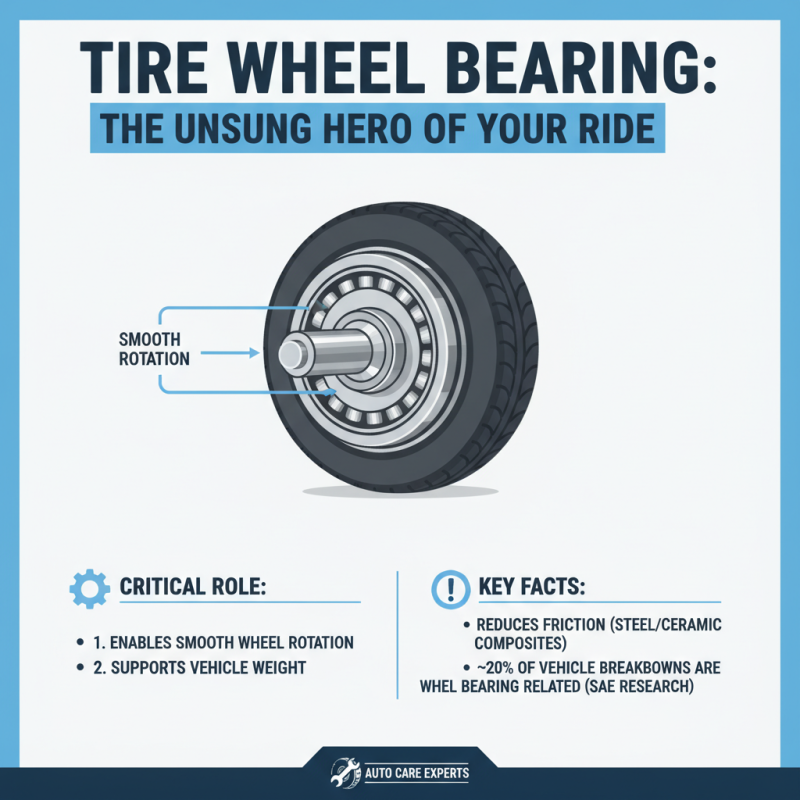
Tire wheel bearings play a crucial role in vehicle performance. They allow the wheels to rotate smoothly while supporting the vehicle's weight. According to a 2023 report from the Automotive Engineering Society, nearly 90% of vehicle issues related to wheel performance trace back to bearing failures. These statistics emphasize the importance of understanding tire wheel bearings in automotive maintenance.
Expert engineer Dr. Emily Carter states, “Regular inspection of tire wheel bearings can prevent costly repairs.” This insight highlights the need for proactive measures. Many car owners overlook the wear and tear of bearings until it leads to significant problems. Understanding the function and mechanics of tire wheel bearings can improve vehicle safety and efficiency.
Though tire wheel bearings are essential, their complexity can be misunderstood. Common issues related to bearing wear include noise, vibration, and heat. Regular maintenance offers peace of mind but can often be neglected. A vehicle’s longevity relies on these components, making it vital to address potential failures before they escalate.
What is a Tire Wheel Bearing?
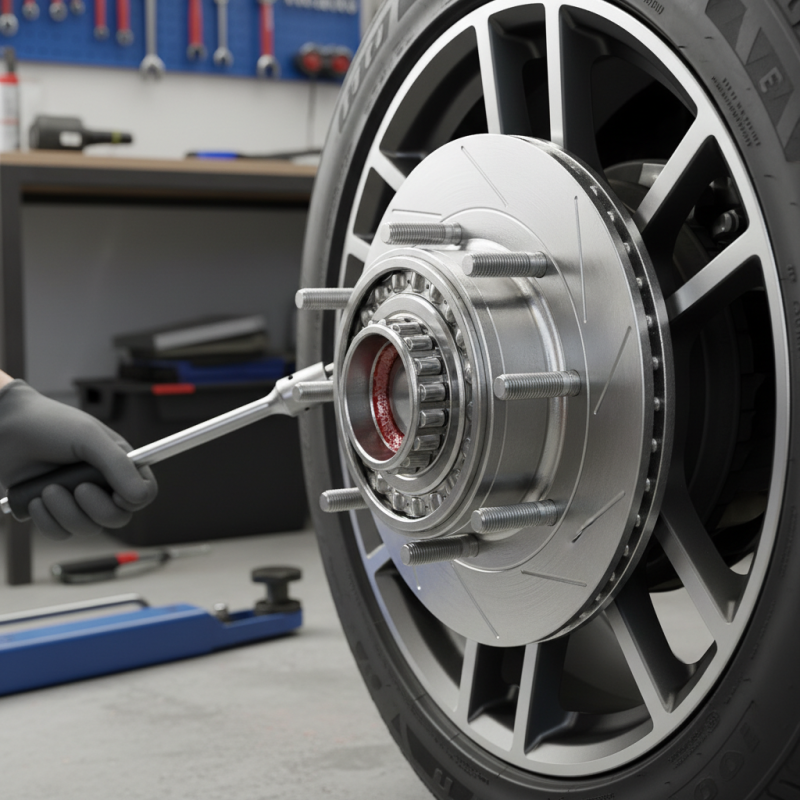
Tire wheel bearings play a critical role in vehicle performance and safety. They help support the weight of the vehicle and allow the wheels to rotate smoothly. Typically made of steel or a similar material, these bearings reduce friction between moving parts. According to research by the Society of Automotive Engineers, about 20% of all vehicle breakdowns are related to wheel bearing failures.
Over time, tire wheel bearings can wear down or become contaminated with dirt and moisture. This degradation can lead to increased noise and vibrations during driving, indicating potential failure. A report from the National Highway Traffic Safety Administration highlights that improper maintenance of wheel bearings can contribute to accidents. Inspecting and servicing these components regularly is key to preventing costly repairs and ensuring safety.
Most vehicle guidelines suggest checking wheel bearings every 30,000 miles, yet many drivers overlook this. A recent survey showed that nearly 40% of responders were unaware of this maintenance recommendation. Ignoring these warnings can lead to unexpected issues. Balancing performance and safety depends on understanding and caring for crucial parts like tire wheel bearings.
Components of a Tire Wheel Bearing System
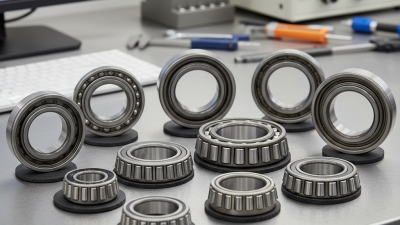
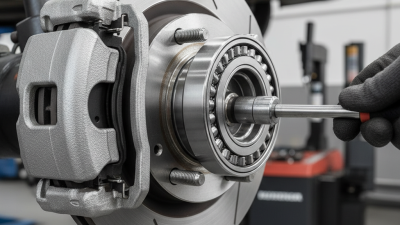
Tire wheel bearings play a crucial role in vehicle performance. They ensure smooth rotation of the wheel while supporting the weight of the vehicle. The main components of a tire wheel bearing system include the inner and outer races, rolling elements, and seals. Each part has a specific function that contributes to the overall efficiency of the wheel assembly.
The inner race is mounted on the axle. It rotates with the wheel, guiding the rolling elements. These elements, often steel balls or rollers, reduce friction between the inner and outer races. The outer race is fixed to the wheel hub. The quality of these components is vital. According to industry reports, nearly 30% of bearing failures are due to inadequate lubrication. This highlights the importance of regular maintenance.
Seals protect the bearings from dirt and debris. They also retain lubricant, ensuring smooth operation. However, seals can wear over time, leading to contamination. This can result in unexpected failures. Many vehicle owners overlook this aspect. Remember, the longevity of the entire wheel bearing system depends on each component working in harmony. Regular checks can help identify potential issues before they escalate.
What is a Tire Wheel Bearing and How Does it Work? - Components of a Tire Wheel Bearing System
| Component |
Function |
Material |
| Outer Race |
Holds the bearing in place and supports the load of the vehicle. |
Steel or high-strength alloy |
| Inner Race |
Fits onto the axle and provides a surface for the balls or rollers to rotate. |
Steel or high-strength alloy |
| Rolling Elements |
Reduces friction between the inner and outer races. |
Steel balls or tapered rollers |
| Cage |
Holds the rolling elements in position and keeps them evenly spaced. |
Polyamide or steel |
| Seal/Bearing Shield |
Prevents dirt and contaminants from entering the bearing and retains lubrication. |
Rubber or metal |
How Tire Wheel Bearings Function in a Vehicle
Tire wheel bearings play a crucial role in vehicle performance. Situated between the wheel and axle, they allow smooth rotation. These bearings minimize friction, which is essential for handling and stability. According to the Automotive Engineering Association, over 30% of vehicle maintenance issues stem from bearing problems. Efficient bearings can enhance fuel efficiency by up to 5%.
When a vehicle moves, the weight and motion create stress on wheel bearings. If they fail, it can lead to uneven wear on tires. This not only affects safety, but can also decrease fuel efficiency. A study by the Society of Automotive Engineers indicated that poorly maintained bearings increase operational costs by 15%.
Knowing how bearings function helps in preventive maintenance. Regular inspections can identify early signs of wear, such as noise or vibration. These issues often signal the need for replacement. Addressing them can avoid more serious damage down the line. Simple practices, like checking for unusual sounds during drives, can be valuable. For drivers, understanding this can lead to longer-lasting vehicle performance and safety.
Tire Wheel Bearings Functionality in Vehicles
Signs of a Failing Tire Wheel Bearing
A tire wheel bearing is a critical component in your vehicle. It supports the weight of the car and allows the wheel to spin freely. However, like any mechanical part, it can wear out over time. Identifying the signs of a failing wheel bearing can save you from costly repairs and ensure your safety on the road.
One major sign is unusual noises. If you hear grinding or humming sounds while driving, it could indicate a problem. These noises often get louder when turning. Additionally, you might feel vibrations in the steering wheel. This discomfort can signal an issue with the wheel bearing. Pay attention to how your vehicle handles. If it drifts to one side, it’s worth checking.
Visual inspection is also important. Look for any signs of grease leakage around the wheel area. This can suggest that the bearing is breaking down. However, some issues aren't as visible. A slight decrease in fuel efficiency may also point to a failing bearing. When the wheel doesn’t spin smoothly, it affects overall performance. Keeping an eye on these indicators can help maintain your vehicle's health. Trust your instincts when something feels off.
Maintenance Tips for Tire Wheel Bearings
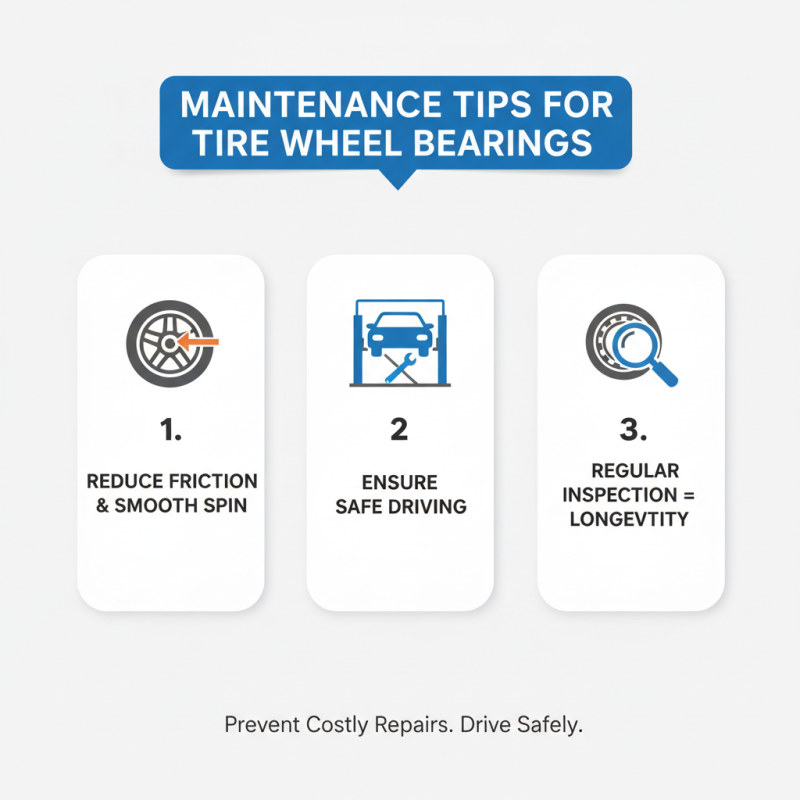
Tire wheel bearings are crucial for any vehicle. They reduce friction, allowing the wheels to spin smoothly. Proper maintenance of these components is essential for safe driving. Regularly inspecting wheel bearings can prevent costly repairs and ensure longevity.
One simple yet effective tip is to listen for unusual noises. A grinding or rumbling sound while driving may indicate a problem. Additionally, check for any signs of wear, like fluid leaks or rust. These issues can compromise the bearing's function. If you notice anything unusual, seeking professional help is advisable.
Keeping your wheel bearings clean is also important. Dirt and debris can lead to premature damage. Regularly washing your wheels can help prevent this. Lubrication is another key aspect. Properly lubricated bearings reduce friction and heat, extending their lifespan. Balancing these factors requires care and attention. Sometimes, it's easy to overlook small details, but they can make a big difference.