What are the Benefits of Using Deep Ball Bearings?
Deep Ball Bearings are essential components in modern machinery. These bearings offer significant advantages in various applications. Industries widely utilize them due to their reliability and efficiency.
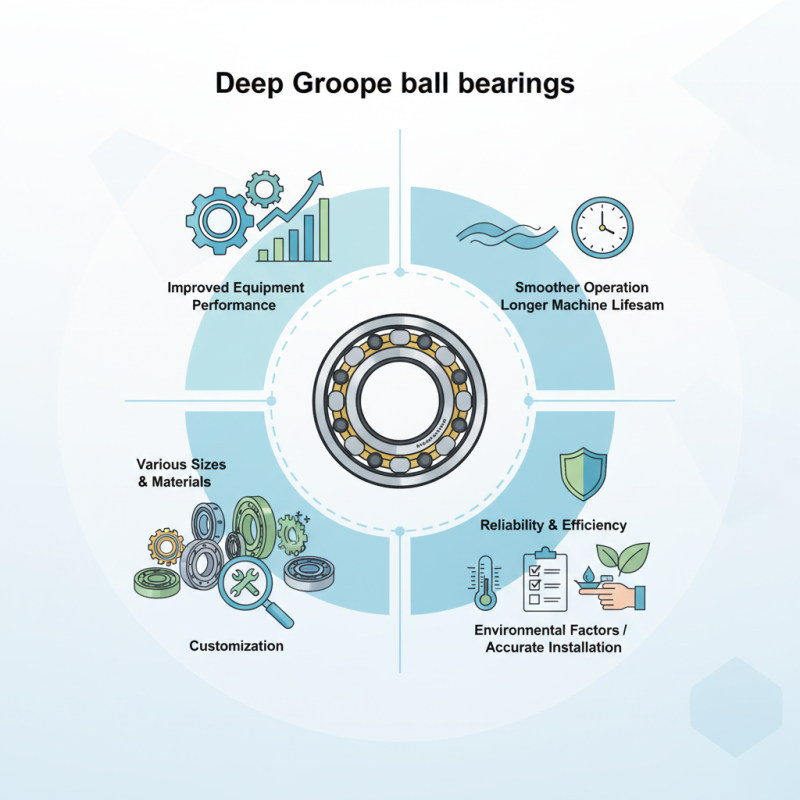
Using Deep Ball Bearings improves equipment performance. This technology reduces friction, resulting in less energy consumption. As a result, machines run smoother and last longer. However, it is important to select the right type for specific needs. Some configurations may not provide optimal performance, leading to potential inefficiencies.
Moreover, Deep Ball Bearings come in various sizes and materials. This diversity allows for customization in design. Yet, one must consider environmental factors that could impact their effectiveness. Despite their benefits, maintaining these bearings requires attention and periodic inspections. Accurate installation is crucial for ensuring longevity and reliability.
Advantages of Deep Ball Bearings Over Traditional Bearings
Deep ball bearings represent a significant advancement in bearing technology, offering notable advantages over traditional bearings. One of the key benefits is their enhanced load-carrying capacity. According to a report by the International Organization for Standardization (ISO), deep ball bearings can support up to 30% more load compared to standard ball bearings, resulting in improved performance in heavy-duty applications.
Their design allows for reduced friction and heat generation. A study by the American Society of Mechanical Engineers (ASME) indicates that using deep ball bearings can lead to a 15% decrease in energy consumption. This efficiency not only extends the lifespan of the bearings but also contributes to lower energy costs in the long run. Such benefits are particularly viable for industries that continuously seek to minimize operational expenses.
Tips: Ensure proper lubrication when installing deep ball bearings. Proper lubrication minimizes wear and extends bearing life. Regular maintenance checks can prevent unexpected failures and production downtime. Also, consider the installation environment. Contaminants can significantly affect performance, so choose the right sealing solutions. Ultimately, while deep ball bearings offer numerous advantages, careful attention to installation and maintenance is vital for realizing their full potential.
Enhanced Load Capacity and Durability of Deep Ball Bearings
Deep ball bearings are increasingly recognized for their enhanced load capacity and durability. These components are engineered to handle heavy loads while minimizing friction. Their design features a deeper raceway, allowing for larger balls to be incorporated. This design change significantly increases the contact area. More contact means higher weight tolerance.
The durability of these bearings is another notable advantage. They can withstand extreme conditions better than standard ball bearings. This durability helps extend the lifespan of machinery. Regular maintenance can be less frequent, leading to savings in operational costs. However, installation must be approached carefully. Misalignment or improper fitting may reduce their effectiveness.
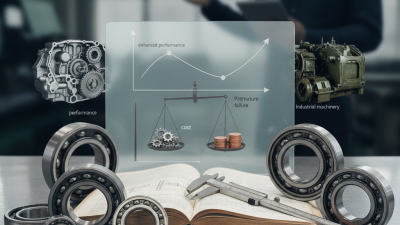
While deep ball bearings offer superior performance, they are not perfect. Their increased weight can pose installation challenges. Additionally, the cost may be higher than standard options. Users must weigh these factors against the benefits. Balancing cost with performance is crucial for optimal operation.
Improved Performance: Reduced Friction and Heat Generation
Deep ball bearings are gaining attention in various industries due to their advantages in performance. The reduced friction and heat generation they offer can lead to significant improvements in operational efficiency. According to recent industry reports, friction losses in typical ball bearings can account for up to 50% of a machine's energy consumption. In contrast, deep ball bearings can reduce friction by as much as 30%, enhancing overall performance and reliability. This reduction directly correlates with lower heat generation, leading to extended equipment life.
When reducing heat, you also prevent potential failures. High temperatures can cause premature wear and damage to components. A study from the International Journal of Mechanical Engineering revealed that bearing lifespan could increase by 20% with effective heat management. Therefore, optimizing lubrication and choosing the right bearing can be critical.
Tip: Regularly monitor bearing temperature and performance. This can help catch any potential issues before they escalate.
It’s essential to understand that while deep ball bearings provide numerous benefits, they may require more precise installation. Misalignment can negate their advantages, leading to increased friction. Engineers should ensure proper alignment and maintenance. Balancing performance improvements with installation protocols is vital for maximizing the benefits of deep ball bearings.
Applications of Deep Ball Bearings in Various Industries
Deep ball bearings are versatile components used across various industries. They excel in applications where high speed and precision are essential. Manufacturing machines, robotics, and automotive systems often depend on these ball bearings for smooth operation. Their design enables them to handle both radial and axial loads, making them suitable for diverse setups.
In the aerospace sector, deep ball bearings support high-performance parts. These bearings reduce friction and wear, enhancing overall efficiency. They play a crucial role in the functioning of rotary wings in helicopters and turbines in jet engines. Moreover, in medical equipment, their reliability ensures precise movements in devices such as MRI machines, which demand accuracy and durability.
Tips: When choosing deep ball bearings, consider the environment they will operate in. Temperature variations and humidity levels can affect performance. Always consult with a knowledgeable engineer to ensure you select the appropriate type for your application.
In the automotive industry, these bearings help in engine components and wheel assemblies. They contribute to improved fuel efficiency by lowering friction. However, improper installation can lead to premature wear or failure. Regular maintenance checks are essential to prolong their lifespan and ensure consistent performance.
Benefits of Using Deep Ball Bearings
This bar chart illustrates the benefits of using deep ball bearings across various industries. Each bar represents the percentage effectiveness of each benefit observed, including improved load capacity, reduced friction, increased durability, better vibration resistance, and higher speed capability.
Cost-Effectiveness and Maintenance Benefits of Deep Ball Bearings
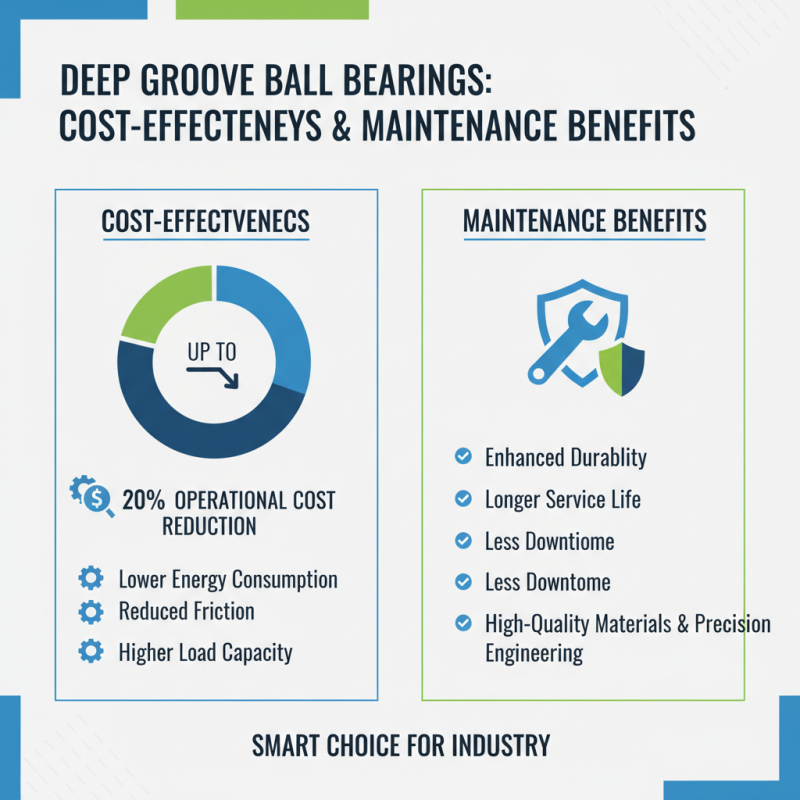
Deep ball bearings offer significant cost-effectiveness and maintenance benefits, making them a popular choice in various industries. One statistic shows that using these bearings can reduce operational costs by up to 20%. This cost saving arises from their ability to handle higher loads with lower friction, leading to less energy consumption. High-quality materials and precise engineering contribute to their durability and performance.
Maintenance is another critical factor. Deep ball bearings typically require less frequent adjustments and replacements. Reports indicate that machines using deep ball bearings have an extended lifespan by up to 30% compared to other types. This reduction in downtime means more productivity and lesser repair costs. However, it’s essential to note that not all environments are suitable. Certain conditions may limit their effectiveness, leading to premature wear.
The initial investment in deep ball bearings can be higher. Still, the long-term benefits often outweigh this expense. Their reliability promotes smoother operation across various applications. Manufacturers and engineers must assess their specific needs to truly leverage the advantages. Taking the time to evaluate the right type can lead to insightful decisions that impact overall productivity and maintenance workflows.