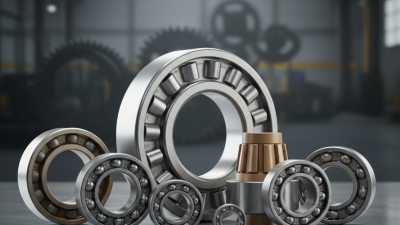
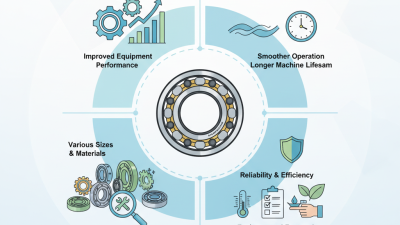
Tapped Bearings are essential components in various mechanical systems. They enable efficient operation and provide stability. According to Dr. Emily Carter, an expert in tribology, "Tapped Bearings redefine precision in applications where reliability is non-negotiable." Her insights highlight the growing importance of this technology.
Understanding the mechanics behind Tapped Bearings is crucial. These bearings feature threaded holes or taps that allow for easy mounting and adjustment. This design enhances their adaptability in different machines. However, improper installation can lead to performance issues. Many engineers overlook this detail, which can compromise their projects.
In industries such as automotive and aerospace, Tapped Bearings play a pivotal role. Their capacity to withstand shocks and vibrations makes them invaluable. Yet, selecting the right bearing type requires careful consideration. Each application has unique demands. Therefore, continual learning and adaptation are imperative for engineers navigating this complex landscape.
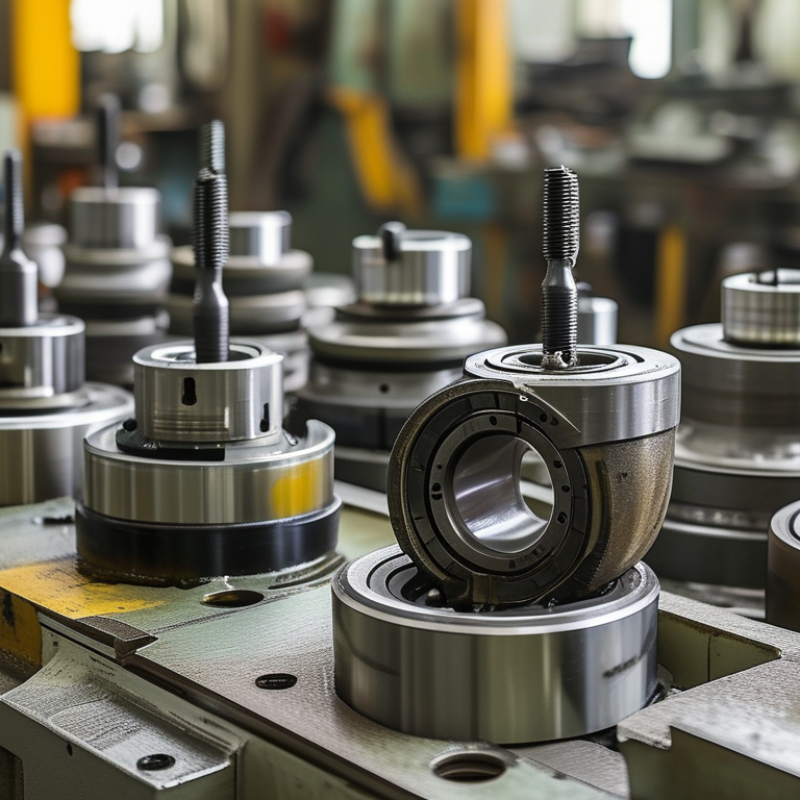
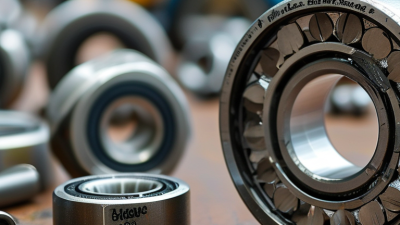
A tapped bearing is a specialized type of bearing designed with threaded holes. These threads allow for easy installation and secure fastening to various surfaces. It simplifies machinery assembly and maintenance while providing robust support. Tapped bearings are typically used in various applications, including automotive, machinery, and robotics.
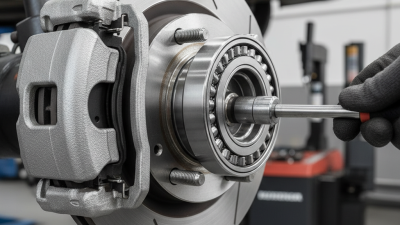
Installing a tapped bearing requires careful alignment to ensure proper functions. Misalignment can cause wear and premature failure. It's crucial to use appropriate tools during installation. This prevents damage to the threads and the bearing itself. Always check the manufacturer’s specifications for thread size and torque settings.
Tips: Whenever you handle tapped bearings, keep an eye for signs of wear. Regular maintenance can extend their lifespan and maintain efficiency. Also, reflect on your installation processes. Are there areas for improvement? Small adjustments can make a significant impact on performance.
| Dimension | Value | Description |
|---|---|---|
| Outer Diameter | 25 mm | The diameter of the bearing outer ring. |
| Inner Diameter | 12 mm | The diameter of the bearing inner ring, where it mounts to the shaft. |
| Width | 6 mm | The thickness of the bearing. |
| Load Capacity | 500 N | The maximum load the bearing can handle. |
| Material | Steel | The material used to make the bearing. |
| Operating Temperature Range | -40°C to +120°C | The temperature range for optimal performance. |
| Lubrication Type | Grease Lubricated | Type of lubrication used for the bearing. |
Tapped bearings are crucial in various industries. They come in different types, each suited for specific applications. This versatility makes them popular in manufacturing and engineering.
One common type is the self-aligning tapped bearing. This design allows for slight misalignment and improves operational reliability. It often finds use in machinery where alignment can shift over time.
Another type is the angular contact tapped bearing. It can handle both radial and axial loads, making it ideal for high-speed applications. This type requires precise installation for optimal performance.
Despite their benefits, tapped bearings can present challenges. Proper lubrication is critical for longevity, yet occasionally overlooked. Users may underestimate the importance of regular maintenance, leading to premature failure. Careful attention is needed in selection and installation to avoid these issues. Understanding these nuances can significantly enhance operational efficiency in various applications.
Tapped bearings are specialized components that facilitate precise motion in machinery. They incorporate several key elements. Understanding these components is essential to grasping how tapped bearings function effectively.
The inner and outer rings form the core of a tapped bearing. These rings are crucial for stability. They house the rolling elements, which may be balls or cylindrical rollers. These elements reduce friction and wear. A cage often separates the rolling elements, ensuring smooth movement. The cage plays a vital role in maintaining proper spacing, helping to prevent damage during operation.
Seals and shields are also integral to tapped bearings. They protect the inner workings from contaminants. Proper sealing can enhance the bearing’s lifespan. However, using inadequate seals can lead to failure. Maintenance is another consideration. Regular inspections can catch wear and tear early, but many overlook this. Each component works in tandem to ensure performance, yet the reliance on these parts means that misalignment or damage can disrupt the entire system. Understanding these elements allows for better design choices and informed maintenance practices.
Tapped bearings are crucial for numerous mechanical applications. They consist of a standard bearing with threaded holes, allowing for easier installation. These threads enable the bearing to be mounted securely to various surfaces. The design simplifies alignment and reduces the need for complex mounting fixtures.
When it comes to operation, tapped bearings function through several key mechanisms. The inner race rotates freely while distributing load evenly. This ensures minimal friction and wear. The threads provide a stable connection that can handle vibration. Precise engineering is essential for the threads to fit seamlessly. An imperfect fit can lead to premature failure.
Many users may overlook maintenance, which is vital for longevity. Regularly checking for wear and tear prevents unexpected downtime. Users should reflect on their usage patterns. Overloading a tapped bearing can shorten its lifespan significantly. It's critical to align expectations with actual conditions, ensuring optimal performance. Tapped bearings may present an initial complexity. However, their functionality can be invaluable in various industries.
Tapped bearings are essential components in various industries due to their unique design and functionality. One significant benefit is their versatility in different applications. A tapped bearing can accommodate radial and axial loads. This feature makes them ideal for use in high-speed machinery and automotive applications. Industry reports indicate that the tapped bearing market is expected to grow by 4.5% annually through 2026. This suggests increasing demand across multiple sectors.
The use of tapped bearings in robotics and automation has surged. These bearings provide precision and efficiency, which are critical in automated systems. Moreover, they reduce wear and tear, extending the lifespan of machinery. A study from a leading engineering journal highlights that machines using tapped bearings show a 30% reduction in maintenance costs compared to those using traditional bearing types.
In aerospace and manufacturing, the reliability of tapped bearings is paramount. However, challenges exist. For instance, improper installation can lead to failure. Companies must ensure that their staff is adequately trained to prevent issues. While tapped bearings offer significant advantages, companies need to remain vigilant about installation practices and regular maintenance to maximize their benefits.