Best Tapped Bearing Solutions for Global Buyers in 2026?
As the demand for efficient machinery grows globally, tapped bearings play a crucial role in meeting these needs. In 2026, buyers will face various options in tapped bearing solutions. According to a recent market analysis by Industrial Dynamics, the tapped bearing market is projected to reach $6 billion by 2026, driven by advances in technology and increased industrial output.
Industry expert Dr. Jane Holloway emphasizes the importance of innovation in this field. She states, “The future of tapped bearings is not just about performance; it’s about adaptability and sustainability.” This perspective highlights the necessity for manufacturers to focus on more than just traditional designs. They must consider how to enhance the lifespan and efficiency of tapped bearings while also meeting environmental standards.
While many companies are making strides, challenges persist. Inconsistent quality and varying specifications can hinder buyer confidence. Buyers must conduct thorough evaluations to choose the best tapped bearing suppliers. Identifying reliable vendors who prioritize quality and accountability will help mitigate these potential pitfalls.
Overview of Tapped Bearings and Their Applications
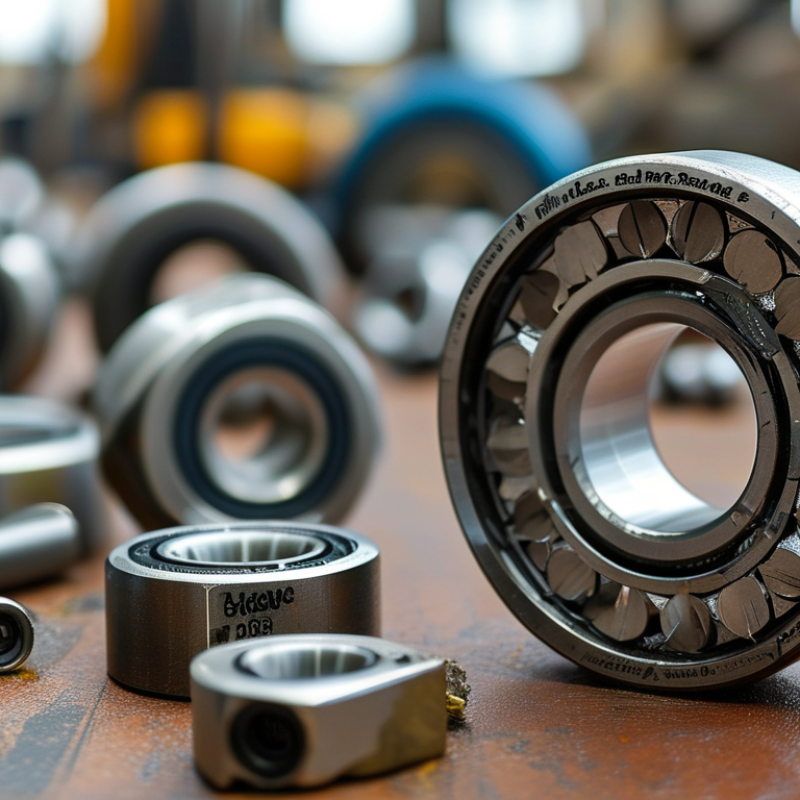
Tapped bearings play a crucial role in various industries, providing reliable support for rotating shafts. These bearings feature a threaded hole and are designed for easy installation. They are commonly used in manufacturing, automotive, and aerospace applications. According to a recent industry report, the global tapped bearings market is projected to reach USD 4 billion by 2026, with a compound annual growth rate (CAGR) of 5.1% from 2021 to 2026. This growth indicates a rising demand for efficient and durable bearing solutions.
The applications of tapped bearings are diverse. In the automotive sector, they enable precision in assembly, contributing to overall vehicle performance. In manufacturing, they are essential in machinery that requires consistent load capacity and durability under stress. Despite their benefits, there are challenges. Manufacturers often face difficulties in ensuring standardization across different regions. Variations in material quality can also impact performance. Awareness of these issues is critical for buyers seeking tapped bearing solutions.
As industries aim for sustainability, tapped bearings are evolving. Many manufacturers are shifting toward eco-friendly materials. This transition reflects the growing emphasis on reducing the carbon footprint. However, maintaining performance while using sustainable materials remains a challenge. Companies must focus on innovation to meet these demands while ensuring reliability in complex applications. Balancing these factors will be key for global buyers in the coming years.
Key Factors Influencing Tapped Bearing Selection in 2026
In 2026, buyers of tapped bearings face a complex selection process. Many factors influence this choice. One critical aspect is the material of the bearing. Different materials offer varying levels of durability and corrosion resistance. Understanding the operating environment is essential. For instance, bearings exposed to moisture require specific material properties.
Another significant factor is load capacity. Tapped bearings come in various weight ratings. Selecting the right one impacts performance and longevity. An under-rated bearing can fail, leading to costly downtime. Conversely, opting for an over-rated option might inflate expenses unnecessarily.
Price also plays a vital role. While cost considerations are necessary, sacrificing quality can be detrimental. Buyers must balance affordability with reliability. A low price may be tempting but may lead to more issues in the long run. In a field where precision matters, investing in quality is often wiser. The complexity of needs in diverse applications shows the importance of thoughtful selection.
Best Tapped Bearing Solutions for Global Buyers in 2026
Emerging Technologies Impacting Tapped Bearing Design and Production
Emerging technologies are significantly reshaping tapped bearing design and production. Innovations in materials science have introduced advanced composites that enhance strength while reducing weight. According to a recent industry report, 30% of new tapped bearings in 2026 will utilize these materials, improving efficiency across various applications.
3D printing is also transforming the manufacturing process. This technology allows for rapid prototyping, enabling faster iterations and more complex designs. Companies can now create customized solutions tailored to specific needs. However, the learning curve can be steep, and many firms are still figuring out optimal usage.
Moreover, automation plays a crucial role in production efficiency. Automated systems can streamline assembly, reducing labor costs. Yet, there's a risk of over-reliance on machines, potentially impacting quality control. Balancing technology with skilled oversight remains a critical challenge for manufacturers. Emerging technologies are set to redefine the tapped bearing landscape, but adaptation requires careful planning and strategy.
Comparative Analysis of Leading Tapped Bearing Manufacturers Worldwide
The global tapped bearing market is evolving steadily. In 2022, the market size was estimated at over $3 billion, a figure that reflects rising demand across various industries. According to industry reports, a compound annual growth rate (CAGR) of around 6% is anticipated through 2026. This growth is driven by advancements in manufacturing processes and increased applications in both industrial and automotive sectors.
A comparative analysis of leading tapped bearing manufacturers reveals varying strengths and weaknesses. Many companies focus on precision and durability. However, the challenge lies in maintaining consistent quality while scaling production. Data indicates that around 30% of manufacturers report issues with quality control during scaling efforts. This situation invites scrutiny and reflection on best practices in production.
Emerging trends suggest that companies are investing heavily in research and development. Strategies include creating lightweight designs and integrating smart technology into bearings. Interestingly, sustainability is becoming a crucial factor in supplier selection. A recent survey indicated that over 60% of buyers prioritize eco-friendly solutions. These insights underscore the competitive landscape and the need for manufacturers to adapt swiftly.
Best Tapped Bearing Solutions for Global Buyers in 2026 - Comparative Analysis of Leading Tapped Bearing Manufacturers Worldwide
| Manufacturer Region |
Market Share (%) |
Product Range |
Quality Certification |
Average Lead Time (Weeks) |
| North America |
25 |
Standard, Customized |
ISO 9001 |
4 |
| Europe |
30 |
Precision, High Load |
TS 16949 |
6 |
| Asia Pacific |
40 |
Standard, Specialty |
ISO 14001 |
3 |
| South America |
5 |
Standard |
ISO 9001 |
5 |
| Middle East |
10 |
Standard, Customized |
API Spec 6A |
4 |
Future Trends in Tapped Bearing Solutions for Global Markets
The tapped bearing solutions market is evolving. By 2026, global demand for these components will spike due to increased automation. Industries are focusing on efficiency and reliability. According to a recent industry report, the tapped bearing market is projected to grow at a CAGR of 5.4% from 2022 to 2026. This growth reflects a surge in manufacturing and assembly activities worldwide.
Sustainability is driving innovation. Manufacturers are investing in eco-friendly materials and production methods. Research suggests that over 70% of companies prioritize sustainable practices. This shift not only meets regulatory demands but also appeals to eco-conscious consumers. However, finding the right balance between performance and environmental responsibility remains a challenge for many.
Technological advancements are reshaping the landscape. IoT integration into tapped bearings enables real-time monitoring and predictive maintenance. This is crucial for reducing downtime. Yet, companies must address cybersecurity risks associated with connected devices. As the market expands, they need to prioritize robustness alongside smart technology.