What is Ntn Needle Bearing and How to Choose the Right One?
Choosing the right Ntn Needle Bearing is crucial for optimal equipment performance. These bearings are known for their reliability and durability. They cater to various applications, ensuring efficiency in diverse mechanical systems. Understanding the specific needs of your project can simplify this selection process.
Ntn Needle Bearings come in various sizes and materials. Each option has unique characteristics suited for specific environments. It's essential to consider factors like load capacity and temperature ratings. Incorrect choices can lead to failures, costing time and resources. Research is vital when making your decision.
When evaluating Ntn Needle Bearings, gather data and consult experts if needed. This process enhances your confidence in your choice. Remember, the right bearing can significantly impact your machinery's longevity and performance. Balancing your requirements with available options will yield the best results.
What is Ntn Needle Bearing?
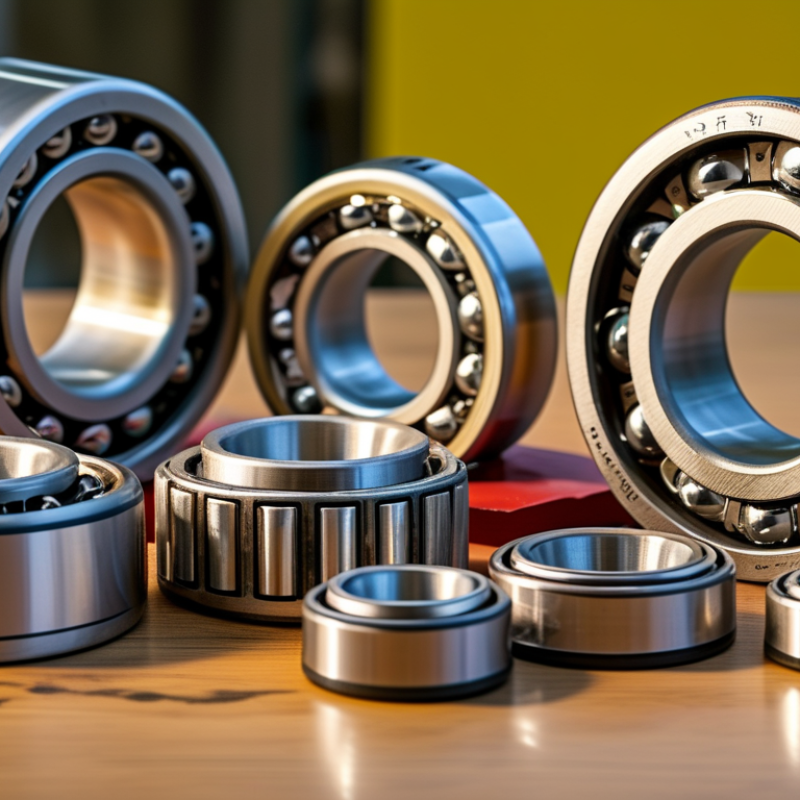
Ntn needle bearings are a type of rolling-element bearing. They utilize thin and elongated rollers resembling needles. This design allows them to support radial and axial loads while taking up minimal space. They are ideal for applications where space is constrained, such as in motors and machinery.
The construction of needle bearings enhances their bearing capacity. With a larger contact area than ball bearings, they can handle heavy loads more effectively. The specialized design reduces friction, resulting in improved efficiency. However, not all needle bearings are the same. Choosing the right type requires careful consideration of the load, speed, and operating conditions.
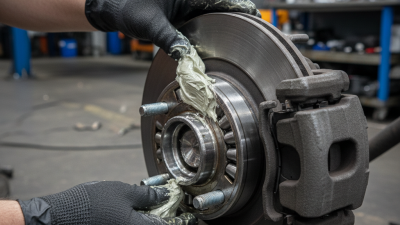
It's easy to overlook aspects like lubrication and installation. Improper lubrication can lead to premature failure. Also, the bearing's alignment is crucial for its performance. Investing time in understanding these details is essential for optimal functionality. Remember, a wrong choice might need a reevaluation down the line.
Key Features and Advantages of Ntn Needle Bearings
Ntn needle bearings are designed for high-performance applications. They consist of small-diameter needles arranged to provide maximum load capacity in a compact space. A critical advantage is their ability to reduce friction, leading to increased efficiency. According to industry reports, needle bearings often provide load ratings that significantly exceed traditional ball bearings, supporting more weight in restricted areas.
When choosing an Ntn needle bearing, consider crucial features. The bearing's material influences durability. High-quality steel can enhance wear resistance and extend lifespan. Additionally, the lubrication method plays a role in performance. Greased or oil-lubricated options affect friction and heat generation. Industry data show that optimal lubrication can increase needle bearing life by up to 40%.
Selecting the right bearing involves understanding operational conditions, like load and speed. Running at high speeds may require specially designed bearings to prevent overheating. Identifying your specific application requirements will lead to better performance outcomes. In many cases, users overlook this step, leading to early failure. Evaluating load dynamics is essential for ensuring longevity.
Applications of Ntn Needle Bearings Across Industries
Ntn needle bearings have widespread applications across various industries. They are particularly valuable in automotive manufacturing, aerospace, and heavy machinery sectors. The compact design allows them to handle high loads while occupying minimal space. According to a market research report by Grand View Research, the global needle bearing market is expected to reach $7.6 billion by 2026, driven by increased industrialization and the need for efficient machinery.
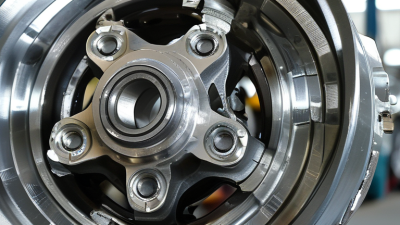
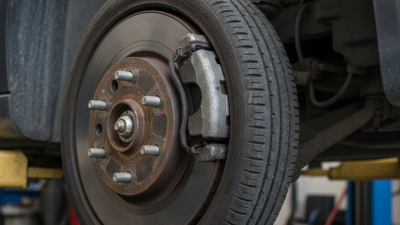
In the automotive sector, needle bearings reduce friction and improve efficiency in gearboxes and engines. Their ability to support radial loads while maintaining low weight is crucial for performance. In aerospace, needle bearings are essential for actuators, landing gear, and turbine engines. They help reduce weight while ensuring safety and reliability under extreme conditions. A study from the International Journal of Aerospace Engineering emphasizes the growing demand for lightweight components, highlighting needle bearings' role in achieving that goal.
Heavy machinery also benefits significantly from Ntn needle bearings. They enhance equipment longevity and reduce downtime. This is especially important in construction and manufacturing where machinery is subject to rigorous use. The efficiencies they bring can lead to a reduction in operating costs, an essential consideration in today's competitive market. However, selecting the right needle bearing requires careful analysis of load capacity, speed, and environmental factors, an area where many engineers need more data to make informed choices.
How to Select the Right Ntn Needle Bearing for Your Needs
Choosing the right NTN needle bearing requires a deep understanding of your specific application. Factors like load, speed, and environmental conditions play a critical role. Assessing these parameters can drastically affect performance and longevity. Additionally, consider the type of materials in use. Different applications demand different properties, such as corrosion resistance or temperature tolerance.
When selecting a needle bearing, don't overlook the size and shape. The dimensions must fit precisely within your equipment. A mismatch can result in premature failure. Perform detailed measurements before making a selection. Furthermore, the bearing's lubrication requirements should be evaluated. Some applications benefit from grease, while others may require oil for optimal performance.
Reflect on the feedback from previous uses. Every application is unique; what worked before may not work again. Use this information to inform your decision-making process. Ensure you do thorough research and consult experts when necessary. This meticulous approach can lead to better results and a more efficient operation.
Maintenance Tips for Ntn Needle Bearings to Ensure Longevity
Ntn needle bearings are critical components in various machines. Proper maintenance is essential for ensuring their longevity. Regular inspection is the first step. Check for signs of wear, corrosion, or damage. A needle bearing should operate smoothly without excessive noise or vibration. If something feels off, it’s time to investigate.
Lubrication is another vital aspect. Use the correct lubricant based on operating conditions. Too much grease can cause overheating. Conversely, too little can lead to friction wear. Maintaining the right balance is crucial. Also, ensure that the lubricant is clean and free from contaminants. Dirty lubricants can shorten the lifespan of the bearings.
Consider the environment in which the bearings operate. Exposure to dust, moisture, or extreme temperatures can impact performance. Protective seals or shields may be necessary for harsh conditions. If you've experienced consistent issues or failures, reflect on the installation process. Misalignment or incorrect fitting can lead to premature wear. Regularly review your maintenance procedures. Adjust them as necessary to enhance the reliability of the needle bearings.
What is Ntn Needle Bearing and How to Choose the Right One?
| Dimension |
Specification |
Material |
Lubrication Type |
Load Capacity (kg) |
| 10 x 19 x 10 mm |
NTA-1019 |
Chrome Steel |
Grease |
150 |
| 15 x 25 x 13 mm |
NTA-1525 |
Stainless Steel |
Oil |
200 |
| 20 x 30 x 15 mm |
NTA-2030 |
Carbon Steel |
Grease |
250 |
| 25 x 35 x 20 mm |
NTA-2535 |
Chromoly Steel |
Oil |
300 |