Best Ways to Identify Worn Wheel Bearing Symptoms?
A worn wheel bearing can lead to serious safety issues. Identifying its symptoms early is crucial for vehicle maintenance. According to automotive expert John Smith, "Ignoring worn wheel bearings can put you and others at risk."
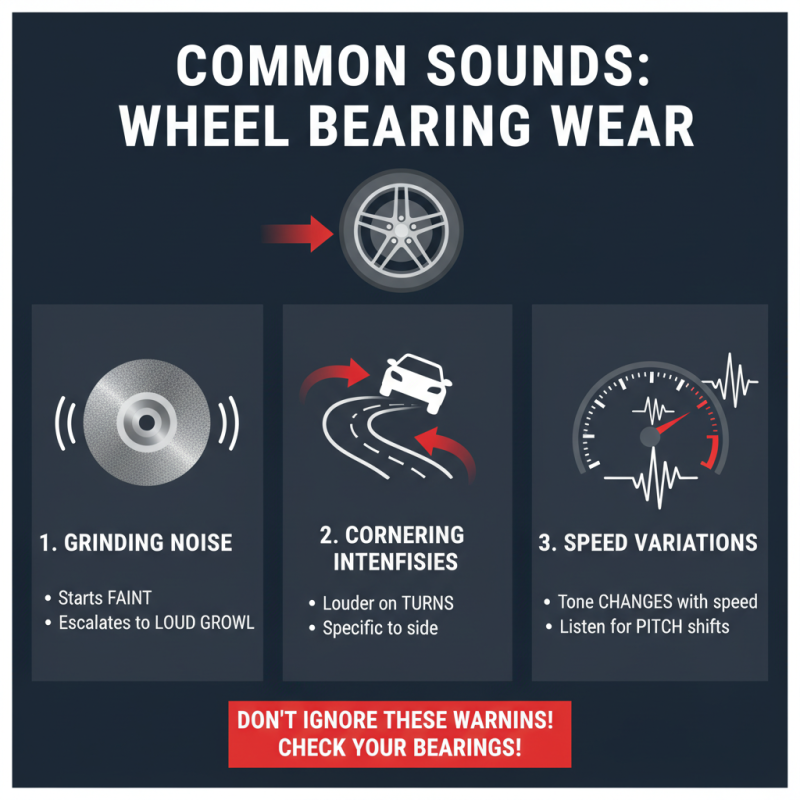
When a wheel bearing starts to wear, several signs may emerge. Drivers might hear unusual noises, such as grinding or humming. Vibration in the steering wheel or a feeling of looseness can also signal trouble. These symptoms are not just annoying; they indicate a significant problem that could lead to more extensive repairs.
Prolonged neglect of a worn wheel bearing can lead to tire wear and even brake failure. It’s vital to pay attention to these signs and seek professional help. Delaying action might escalate the issue. As we navigate through the best ways to identify these symptoms, consider the serious implications of ignoring them. Your safety depends on it.
Signs of Worn Wheel Bearings: An Overview of Key Symptoms
Worn wheel bearings can lead to serious vehicle issues. Recognizing the symptoms early is crucial. One key sign is unusual noises. A grinding or chirping sound often indicates bearing wear. If you hear these noises while driving, take action immediately. Ignoring them can worsen the problem.
Another symptom is vibration in the steering wheel. If you feel vibrations while driving straight or turning, it might signal a faulty wheel bearing. Pay attention to any change in how your car handles. Do not overlook these signs. They suggest a deeper issue that may affect your safety.
Visual inspection can also reveal issues. Look for uneven tire wear or any physical damage to the wheels. If they are hot to the touch after driving, this is concerning. Professionals can help assess these symptoms accurately. Getting a second opinion is wise if you have doubts. Remember, addressing these symptoms early can save you from more costly repairs later.
Vibration Analysis: How It Relates to Bearing Condition
Vibration analysis is a crucial tool in determining the condition of wheel bearings. When wheel bearings wear down, they can produce vibrations that differ from normal operating conditions. Observing these vibrations helps in early diagnosis, potentially preventing failures. Drivers often describe a rumbling or grinding noise that corresponds with the vibration changes. Recognizing these signs can lead to timely repairs.
Moreover, inconsistent vibrations may indicate specific issues with the bearings. Experienced technicians analyze vibration patterns to distinguish between minor and severe wear. Visual inspections alone can miss hidden defects; thus, detailed vibration analysis becomes vital. A worn bearing may show increased amplitude during various speed ranges.
While some vibrations are expected, excessive or irregular patterns signal the need for further investigation. It’s essential to pay attention to how vibrations change over time. Sometimes, vibrations can be subtle, yet they hint at underlying problems. Accurate diagnosis can save money on unexpected repairs. Regular checks can bolster reliability and safety on the road.
Best Ways to Identify Worn Wheel Bearing Symptoms
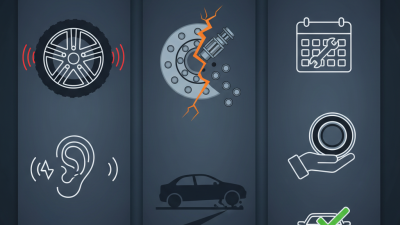
This bar chart illustrates various symptoms associated with worn wheel bearings and their corresponding severity levels. Monitoring these symptoms can help in early detection and maintenance of vehicle wheel bearings.
Visual Inspections: Identifying Wear Through Physical Examination
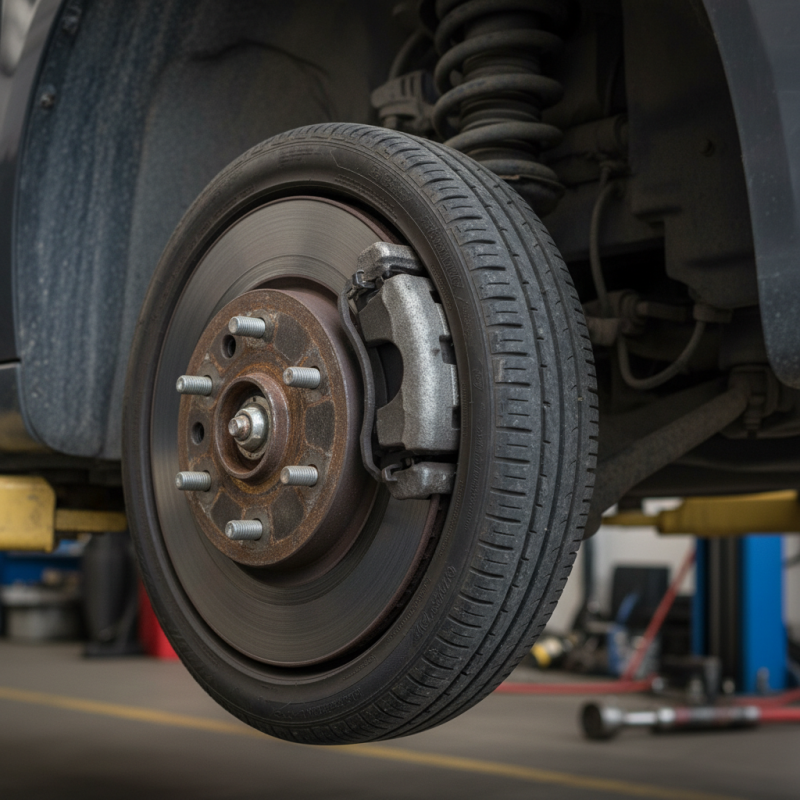
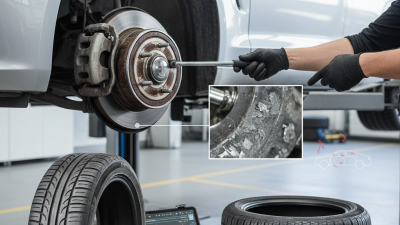
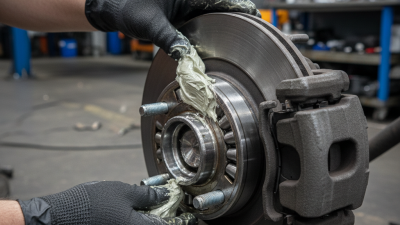
Visual inspections are a crucial step in identifying worn wheel bearing symptoms. These inspections focus on physical examination to detect potential issues early. A bearing may show signs of wear through visible damage, such as cracks or discoloration. Look closely at the wheel hub. If you notice unusual wear patterns or any play in the wheel, it may be time to investigate further.
Tips: Regular physical checks can prevent bigger problems. Use a flashlight to inspect hard-to-see areas. If you feel resistance or roughness while rotating the wheel, this can signal a failing bearing.
Additionally, pay attention to any noise. A grinding or humming sound while driving can indicate issues. Inspect the seals around the bearing for signs of leakage or damage. This might suggest contamination, which leads to further wear.
Tips: Don't ignore small details. Document any changes you observe during inspections. This can help track wear over time. Keep a keen eye on consistency in performance. Any change can be a warning sign of future problems. Regular checks foster reliability and safety on the road.
Professional Diagnostic Tools for Accurate Wheel Bearing Assessment
When it comes to assessing wheel bearings, professional diagnostic tools play a vital role. These tools provide precise measurements, enhancing reliability in identifying issues early. Common equipment includes vibration analyzers and stethoscopes, which help pinpoint the exact source of unusual noises. A proficient technician can differentiate between minor issues and significant failures using these tools. It's essential, however, to understand that not every noise indicates a severe problem.
Using advanced software can also enhance accuracy. This software can analyze sensor data from the vehicle, allowing for a detailed breakdown of wheel bearing performance. Technicians might interpret this data in real time, helping recognize patterns or anomalies. A technician’s experience amplifies the efficacy of these tools. Yet, one must remember that misinterpretations can lead to unnecessary repairs. Professional assessment requires both the right tools and skilled evaluation.
In practice, every vehicle may present unique challenges. Some may display clear symptoms, while others might not signal issues until serious damage arises. Regular checks can prevent larger problems, but relying solely on technology isn’t enough. Experience and intuition remain invaluable in the diagnosis of wheel bearings. Understanding the limitations of each tool is crucial, as it guides mechanics in making informed decisions.