What Factors Affect Ball Bearing Cost for Global Buyers?
The global market for ball bearings is influenced by various factors that determine their cost. According to a report by ResearchAndMarkets, the ball bearing market is projected to reach $51.3 billion by 2027, highlighting the escalating demand across multiple industries. One prominent expert in this field, Dr. William H. Raines, states, "Understanding the intricacies of ball bearing cost is crucial for international buyers." His insights emphasize the complexity behind pricing.
Factors affecting ball bearing cost include material quality, manufacturing processes, and shipping logistics. Stainless steel bearings, for instance, are typically more expensive than standard steel ones due to corrosion resistance. Moreover, custom specifications can lead to higher prices. Reports indicate that raw material prices have seen fluctuations, impacting overall costs. These dynamics necessitate in-depth analysis for buyers navigating these waters.
While the data provides an overview, it's essential to consider the market volatility and potential pitfalls. Many buyers underestimate the nuances affecting their purchases. Evaluating suppliers and material choices becomes vital, yet some still find themselves unprepared for unexpected price changes. Hence, understanding ball bearing cost is not merely about numbers, but also about strategic forecasting.
Factors Influencing Material Selection for Ball Bearings
When selecting materials for ball bearings, various factors come into play.
Steel has traditionally dominated due to its
strength and cost-effectiveness. However, advanced materials such as
ceramics and polymers are emerging.
According to a market forecast by Research and Markets, the global ball bearing market is expected to grow by
6.2% annually, driven partly by materials innovation.
Different environments require specific materials. For instance,
corrosive environments may necessitate
stainless steel or specific alloys.
NASA's research indicates that ceramic bearings can extend the lifespan of components
under extreme conditions compared to steel. Each material choice impacts performance, durability,
and ultimately, cost.
Tip: Consider the operational environment
when choosing materials. Optimizing material selection can significantly reduce long-term costs.
It's also worth noting that the sourcing of raw materials affects prices. Fluctuations in metal costs
or shipping rates can unexpectedly drive up bearing prices. A recent report by Mordor Intelligence
highlights how supply chain disruptions impact material availability. Efficient supply chains can
mitigate these risks but require regular evaluation to adapt to changing conditions.
Tip: Regularly review suppliers
and material sources to ensure the best quality and pricing.
Impact of Manufacturing Processes on Ball Bearing Pricing
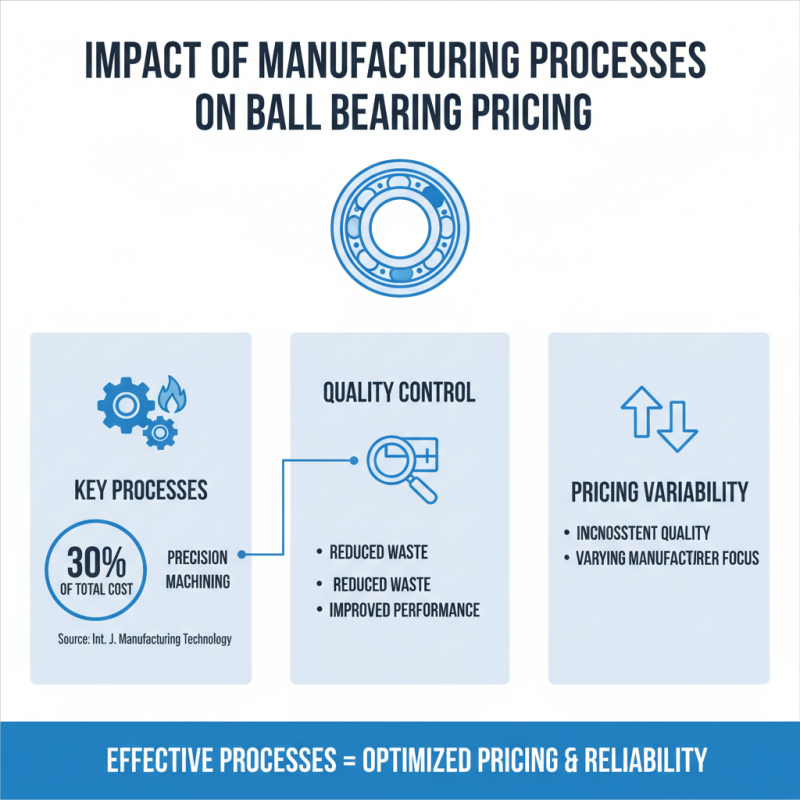
Manufacturing processes have a profound impact on the pricing of ball bearings. Precision machining and heat treatment are crucial stages. According to a recent study by the International Journal of Manufacturing Technology, up to 30% of the total cost can stem from these processes alone. Effective quality control can result in reduced waste and improved performance, yet not all manufacturers prioritize this, leading to inconsistent pricing.
Material choice greatly influences costs as well. High-grade steel or ceramic materials offer durability but at a premium price. The same study indicates that fluctuations in raw material costs can shift ball bearing prices by 12% within a year. Some manufacturers may opt for lower-quality materials to save on production costs, but this can lead to higher failure rates. Buyers often overlook these factors, focusing solely on upfront costs without considering long-term performance.
Labor costs also play an essential role. Regions with skilled labor tend to produce higher-quality bearings. However, labor shortages can drive prices up. Data from the World Bearing Association highlights the significance of labor dynamics in pricing, showing a 15% increase in costs in regions facing labor shortages. This complexity can complicate decision-making for global buyers seeking optimal price-performance ratios.
Role of Market Demand and Supply Dynamics in Pricing Trends
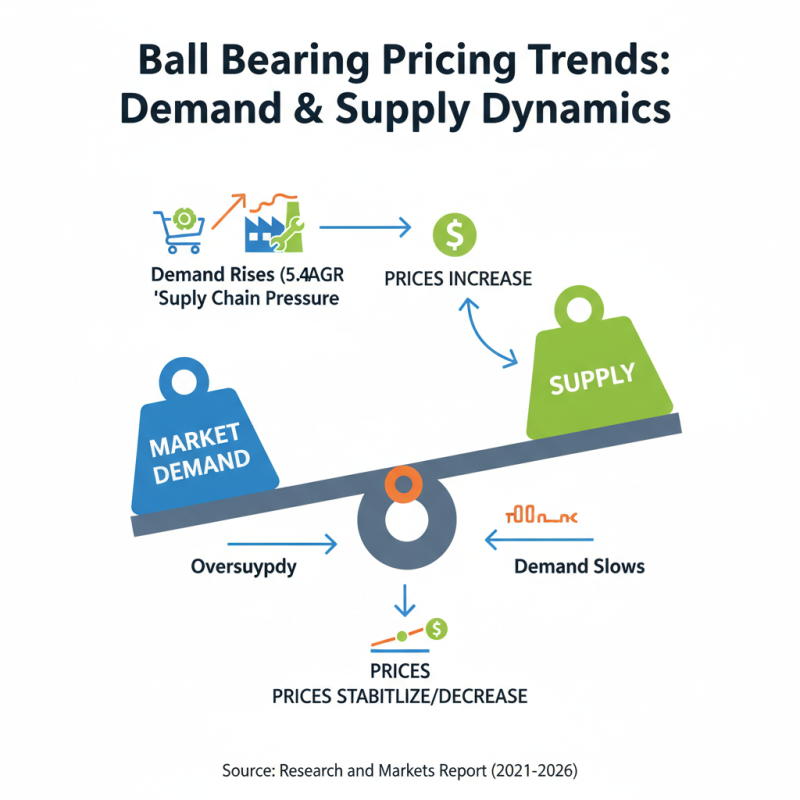
The cost of ball bearings is influenced by various factors, particularly market demand and supply dynamics. According to a report from Research and Markets, the global ball bearing market is projected to grow at a CAGR of 5.4% between 2021 and 2026. This growth can create pressure on supply chains and lead to fluctuations in pricing. When demand outpaces supply, prices tend to rise. Conversely, oversupply can cause prices to stabilize or decrease.
Several elements affect supply dynamics. Manufacturing capacity, raw material availability, and labor costs are critical. Moreover, geopolitical factors can create uncertainties in production and shipping. For instance, tariffs and trade policies can alter prices quickly. Market participants must stay alert to these shifts to make informed purchasing decisions.
Tips: Monitor trends in raw material prices. This is crucial because they directly impact bearing costs. Always evaluate multiple suppliers. Diverse sourcing can mitigate risks from market fluctuations. Awareness and adaptability are essential in this dynamic environment.
Geographical Considerations in Ball Bearing Cost Variations
Geographical factors significantly influence ball bearing costs across global markets. For instance, transportation logistics are a primary consideration. Countries with advanced infrastructure can reduce shipping times and, consequently, costs. According to recent industry reports, regions like North America and Europe have lower shipping expenses due to their developed networks. Conversely, areas with limited infrastructure may face increased costs, making them less competitive.
Labor availability and cost also vary by location. Regions with lower labor costs, such as parts of Asia, can produce bearings more economically. A study in 2022 highlighted that labor costs in Southeast Asia can be up to 30% lower than in North America. However, these savings might be offset by potential quality control issues due to less stringent manufacturing standards.
Additionally, tariffs and trade policies impact pricing for global buyers. Import duties can vary significantly by region and will affect final product costs. Reports indicate that changes in trade agreements have led to fluctuations in bearing prices in specific markets. Buyers must navigate these uncertainties while balancing the need for quality and reliability. Understanding these geographical considerations is crucial for accurate cost forecasting in the ball bearing industry.
Factors Influencing Ball Bearing Costs Globally
Technological Advancements and Their Effect on Product Pricing
Technological advancements play a crucial role in determining the cost of ball bearings. Innovations in materials and manufacturing processes can lead to more durable and efficient products. For example, the use of advanced ceramics can reduce friction and increase lifespan. However, these materials often come with a higher price tag.
Balancing quality with cost is essential for buyers.
Many manufacturers now embrace automation. Automated processes can lower production costs over time. However, the initial investment in technology can be significant. Understanding the long-term benefits versus short-term expenses is vital. Buyers need to consider how these tech advances can influence their budgeting for ball bearings.
Tips: Always do thorough research on new materials. Staying updated helps in making informed choices. When evaluating costs, consider the total lifespan of the bearings. Cheaper options may lead to higher replacement expenses. Engage with suppliers to understand the full scope of advancements made in their products. This can ensure you get the best value.