How to Choose the Right Stick Bearing for Your Needs?
Choosing the right stick bearing can profoundly impact performance and longevity. According to John Mitchell, an expert in the stick bearing industry, “A well-chosen stick bearing ensures smooth operations and reduces wear and tear.” This reinforces how crucial it is to select the appropriate type for your needs.
Stick bearings are widely used in various applications, from automotive to machinery. They offer low-friction performance, which is essential for efficient operation. However, not all stick bearings are created equal. Each application may require different specifications, including load capacity, material, and environmental resistance.
Many users overlook details like alignment and proper installation. These factors can dramatically affect the bearing's life. It’s essential to consider specific operational conditions. If uncertain, consulting an expert can prevent costly mistakes. Remember, the right decision early on can save you from troubles later.
Understanding Stick Bearings: A Comprehensive Overview
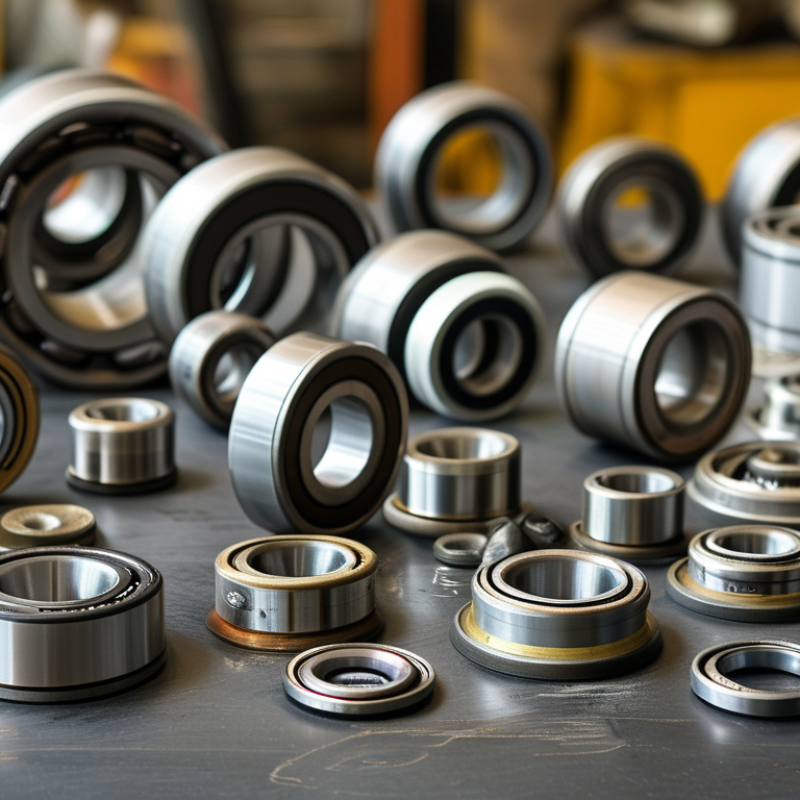
Understanding stick bearings involves delving into their design and functionality. Stick bearings are crucial components in various machinery. They support rotational and linear motion, ensuring smooth operations. Recognizing the type of stick bearing you need is essential for optimal performance.
Tips: Assess your application requirements. Consider load capacity, speed, and environmental factors. Each application may necessitate a different bearing type. Testing different configurations may lead to better results.
Stick bearings can present challenges. Wear and tear can affect functionality over time. Regular maintenance is essential. Sometimes, selecting the wrong size or type can lead to inefficiencies. Be aware of your equipment’s specifications to avoid mismatches.
Tips: Consult with experts in the field. They can provide insights that enhance your selection process. Learning from past experiences can greatly influence your choices. A small error in this area might lead to significant issues later on.
Key Considerations for Selecting Stick Bearings Based on Application
When selecting stick bearings, several key factors come into play. The application often dictates the type of bearing needed. For example, high-load environments require durable bearings with robust materials. In contrast, lighter applications can utilize more flexible options.
Consider the operational speed. Faster speeds generate more heat. This necessitates materials that can withstand high temperatures without deforming. Additionally, the environment matters. Bearings exposed to dust, moisture, or chemicals need special coatings or seals for protection.
Tips: Always evaluate if the bearing can handle your specific load requirements. Look for options with low friction for smoother operations. Finally, reflect on the long-term maintenance needs. Some materials require regular lubrication, while others do not. Assessing these details will lead to better-informed choices.
Materials and Design: Influencing Factors on Stick Bearing Performance
When selecting a stick bearing, materials and design play critical roles in its performance. Research shows that the bearing's material can significantly impact durability and efficiency. For example, high-performance materials like stainless steel often outperform plastic options in durability tests. However, plastic bearings tend to offer lighter weights and lower costs, making them suitable for specific applications.
It’s important to consider the design elements of bearings. Precision in design affects how well a bearing can handle load and reduce friction. Bearings designed with advanced engineering typically exhibit a longer lifespan under stress. According to industry standards, bearings with optimized designs can improve operational efficiency by up to 30%. However, some standard designs may not cater well to unique operational demands.
Tips: Assess specific application needs before purchasing. Conduct tests on different materials to evaluate performance. Always consider environmental factors that might affect bearing use. Balancing material choice and design can lead to better outcomes, yet one must reflect on potential compromises made during selection.
How to Choose the Right Stick Bearing for Your Needs? - Materials and Design: Influencing Factors on Stick Bearing Performance
| Bearing Type |
Material |
Load Capacity (kg) |
Speed Rating (RPM) |
Temperature Range (°C) |
| Ball Bearing |
Steel |
100 |
5000 |
-20 to 120 |
| Roller Bearing |
Chrome Steel |
200 |
3000 |
-30 to 150 |
| Needle Bearing |
Polymer |
80 |
7000 |
-40 to 100 |
| Magnetic Bearing |
Ceramic |
150 |
6000 |
-20 to 200 |
| Fluid Bearing |
Bronze |
250 |
2000 |
10 to 120 |
Load Capacity and Speed Ratings: Essential Metrics for Your Selection
Choosing the right stick bearing involves understanding load capacity and speed ratings. These metrics directly impact performance and longevity.
Load capacity refers to how much weight a bearing can support. It’s essential to select a bearing that can handle the maximum expected load in your application.
Insufficient capacity can lead to failure and costly downtime.
Speed ratings indicate the maximum operational speed of a bearing. Operating beyond this limit can result in overheating and premature wear. Different applications demand specific load and speed considerations. For instance, high-speed applications require bearings designed to operate efficiently at greater velocities.
You might encounter situations where the speed is tempting, but neglecting load capacity will compromise the entire system.
When choosing, be mindful of your specific requirements. Review data sheets carefully. There may be nuances in ratings that could affect your choice. Rushing through this process can lead to incorrect selections.
Each application is unique. Take time to analyze and reflect on how each metric aligns with your needs.
Prioritizing load and speed correctly can enhance your equipment's reliability and lifespan.
Maintenance and Durability: Ensuring Longevity of Stick Bearings
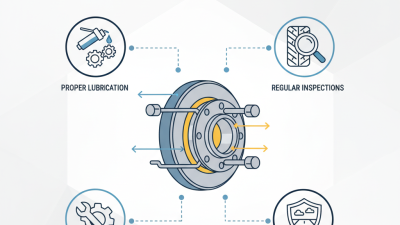
When selecting stick bearings, maintenance and durability are crucial. Stick bearings are designed for various applications. Proper maintenance practices can significantly enhance their lifespan. Regular inspections help identify wear and tear early. Clean the bearings to remove contaminants. Use suitable lubricants to reduce friction and prevent damage. These simple tasks are often overlooked but are essential for longevity.
Durability is not solely about the material. The operating environment plays a vital role. Factors such as temperature, humidity, and exposure to chemicals can affect performance. It's important to choose materials that can withstand these conditions. For example, certain composites perform well in harsh environments. However, these choices can be a double-edged sword, as they may increase costs.
Even the best stick bearing can fail prematurely without proper care. It's important to review maintenance logs regularly. Look for patterns or repeated issues. This reflection can guide future decisions. Ensure that all team members understand maintenance procedures. Training is key to avoiding mistakes. In the end, investing time in care pays off in performance and durability.