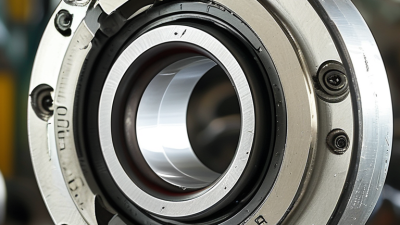
How to Choose the Right Auto Wheel Bearing for Your Vehicle?
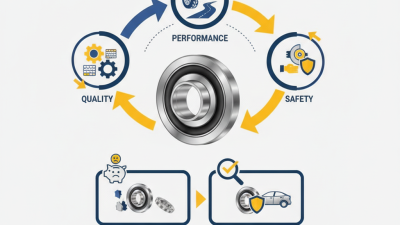
Choosing the right Auto Wheel Bearing for your vehicle is crucial for safety and performance. Experts suggest that the right choice can significantly enhance your driving experience. John Doe, a renowned automotive engineer, emphasizes, "The quality of auto wheel bearings impacts everything from fuel efficiency to ride comfort."
When selecting an Auto Wheel Bearing, it's essential to understand your vehicle's specifications. Different makes and models have unique requirements. It's not always straightforward. You may encounter various brands and types that claim to be the best. The choice can be overwhelming, and a wrong decision could lead to issues later.
Consideration of the bearing material is vital. High-quality steel or ceramic options may yield better longevity. Often, people overlook these details. A little research can save you money and enhance your vehicle's longevity. Ultimately, trusting a reliable source for your Auto Wheel Bearing needs can make a world of difference.
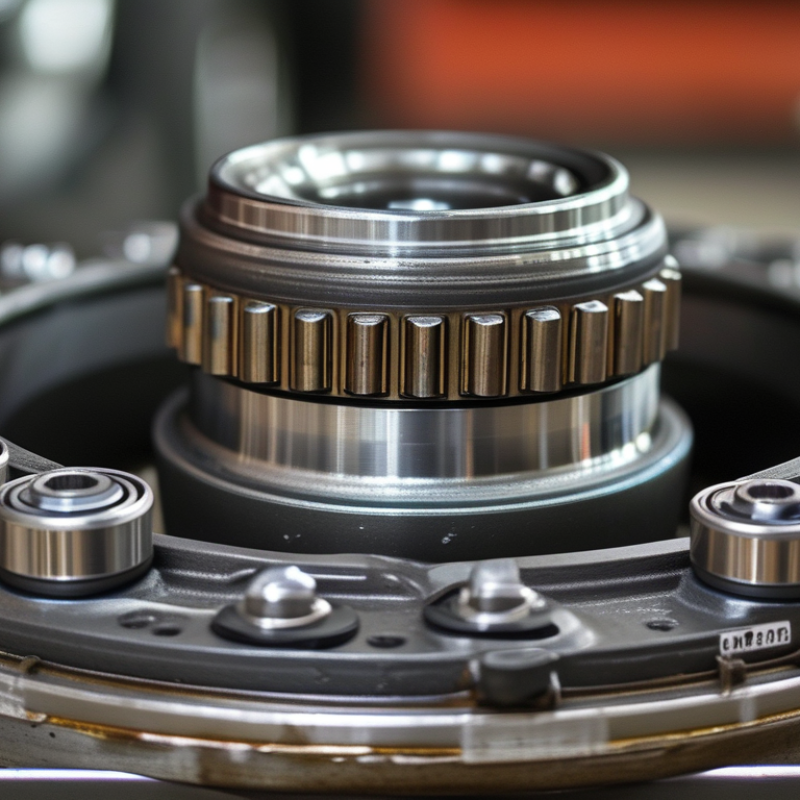
Understanding the Importance of Auto Wheel Bearings
Auto wheel bearings are crucial for vehicle performance and safety. They allow the wheels to rotate smoothly while supporting the vehicle's weight. Properly functioning bearings reduce friction and wear, contributing to better fuel efficiency. When they fail, the consequences can be severe. You might face noisy rides or even wheel separation. Understanding their role is essential for every vehicle owner.
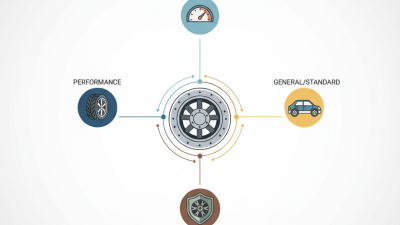
Selecting the right auto wheel bearing requires careful consideration. Many factors influence the choice, including the vehicle's make, model, and intended use. For example, a sports car may require a different bearing than a heavy-duty truck. Each type of bearing has unique specifications tailored for specific applications. It's important to prioritize quality and compatibility when shopping.
A common mistake is overlooking inspection and maintenance. Many drivers neglect routine checks, leading to unforeseen issues. Regularly inspecting wheel bearings can extend their lifespan. If you experience vibrations or unusual noises, seek help. Ignoring these signs can result in costly repairs and time off the road.
How to Choose the Right Auto Wheel Bearing for Your Vehicle?
| Bearing Type |
Material |
Inner Diameter (mm) |
Outer Diameter (mm) |
Load Capacity (kg) |
Application |
| Single Row Ball Bearing |
Steel |
30 |
62 |
800 |
Passenger Cars |
| Double Row Ball Bearing |
Chrome Steel |
40 |
80 |
1200 |
SUVs |
| Tapered Roller Bearing |
Carbon Steel |
50 |
90 |
2000 |
Trucks & Vans |
| Angular Contact Ball Bearing |
Stainless Steel |
35 |
75 |
900 |
Performance Cars |
Identifying the Right Size and Specifications for Your Vehicle
Choosing the right auto wheel bearing is crucial for your vehicle's performance and safety. To start, you must know your vehicle’s specifications. This includes the make, model, and year of manufacture. Each of these factors influences the bearing size. An incorrect fit can lead to wheel wobbling or excess noise, which are signs that something is off.
Next, measure the dimensions of the existing bearing if possible. Pay special attention to the inner and outer diameter, as well as the width. Having precise measurements increases your chances of selecting the right part. If measuring seems daunting, use online resources or consult your vehicle’s manual for specifications. Sometimes, this step can feel tedious, but accuracy matters. Skipping it could lead to misfits.
Ultimately, also consider your driving conditions. Different environments exert various levels of stress on wheel bearings. If you frequently drive on rough roads, you might need robust bearings. Reflect on how often you drive and where. The right choice can enhance your vehicle's longevity. However, be prepared to reassess your choices. Not every selection will be perfect, and that’s part of the learning process.
Comparing Different Types of Wheel Bearings Available
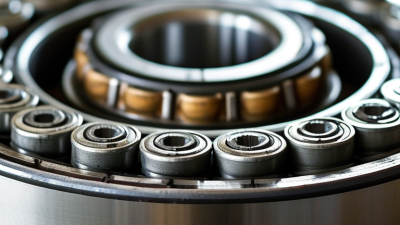
Choosing the right wheel bearing is crucial for vehicle performance and safety. There are several types of wheel bearings available, and each has distinct characteristics. The most common types include ball bearings, roller bearings, and tapered roller bearings. Ball bearings are known for their ability to handle high radial loads and are often used in passenger vehicles.
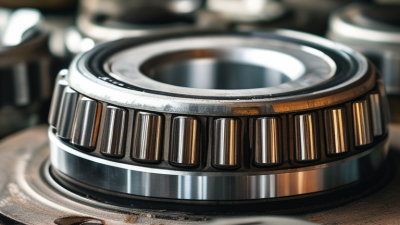
Roller bearings offer better load distribution and are ideal for heavier vehicles. These bearings can support more weight and provide improved stability. A recent industry report noted that nearly 40% of all light trucks utilize roller bearings, reflecting their popularity in the automotive market. Tapered roller bearings combine features of both ball and roller bearings, making them suitable for various applications, including trailers and SUVs.
When selecting a wheel bearing, consider factors such as load capacity, noise levels, and installation ease. The right choice can enhance vehicle longevity and fuel efficiency. However, mismatched bearings can lead to increased friction and potential failures. A study from the Automotive Engineers Association highlighted that improper installation could reduce bearing lifespan by up to 30%. Therefore, careful evaluation of your vehicle's specifications and needs is essential.
Evaluating Quality and Brand Reputation for Wheel Bearings
When selecting wheel bearings, evaluating their quality and the reputation of the brands is critical. High-quality bearings often use advanced materials and superior engineering, which enhance their durability. A report from the Automotive Aftermarket Suppliers Association indicates that approximately 30% of vehicle issues stem from poor-quality parts. This statistic underscores the importance of choosing reliable components.
Brand reputation plays a significant role in your selection process. The trustworthiness of a brand can often be linked to its history in the industry. Many well-established brands invest heavily in quality control and research. According to industry analyses, brands recognized for their reliability consistently have lower failure rates. Some studies indicate that bearings from reputable manufacturers can last up to 120,000 miles under normal conditions.
However, even from reputed brands, variations in quality exist. Not all products from a single brand are of the same standard. There are instances where lower-price options may not offer the same performance. Ensure you check reviews and seek input from vehicle maintenance experts. It’s vital to balance between cost and quality, making informed decisions that reflect both immediate needs and long-term reliability.
Installation Tips and Maintenance for Optimal Performance
When installing an auto wheel bearing, precision is crucial. Ensure the bearing is properly aligned with the hub.
Misalignment can lead to premature wear. Use a torque wrench to tighten the bolts to the manufacturer's specifications.
Over-tightening can damage both the bearing and the hub. It's important to double-check everything before reassembling.
Regular maintenance is key for optimal performance. Inspect the wheel bearings periodically for signs of wear or damage.
Listen for unusual sounds when driving. Grinding noises often indicate bearing failure. Keep the bearings lubricated to
avoid friction and overheating. Even minor neglect can lead to significant issues later.
Be aware that installation errors can be costly. If you're unsure, seek professional help. Investing in quality bearings
and proper installation can save money in the long run. Remember that maintaining your bearings ensures safety and
enhances your vehicle's performance.