Best Uc Bearing Block Benefits and Applications for Global Buyers?
In the world of industrial machinery, Uc Bearing Blocks have emerged as vital components. These blocks play a crucial role in providing stability and support for rotating shafts. According to a report by the International Journal of Industrial Engineering, the global market for bearing blocks is projected to grow by 5.4% annually, driven by increased automation in manufacturing.
Uc Bearing Blocks are known for their high performance and versatility. They are widely used in sectors such as automotive, agriculture, and manufacturing. Precision and durability are essential. A recent analysis from Bearings International highlights that over 70% of equipment failures are related to bearings. This stat underscores the importance of selecting high-quality Uc Bearing Blocks.
However, buyers must consider various factors when choosing these components. The range of materials and designs can be overwhelming. Inconsistent quality across suppliers presents challenges for global buyers. Knowing the right application for Uc Bearing Blocks can help mitigate risks and enhance productivity. Ultimately, understanding these benefits guides businesses toward better decisions in their procurement strategies.
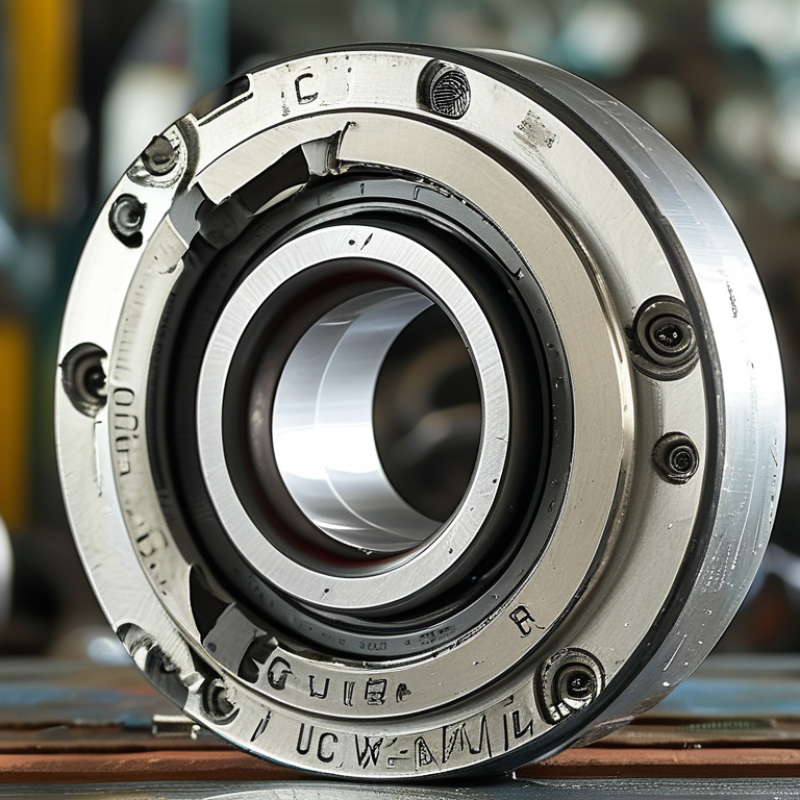
Overview of UC Bearing Blocks and Their Functionality
UC bearing blocks are crucial components in a variety of mechanical systems.
These blocks primarily function to house rolling bearings securely. This ensures smooth rotation and reduces friction between moving parts.
Typically, they are used in applications ranging from industrial machinery to agricultural equipment.
These applications demand reliability under different loads and conditions.
One significant aspect of UC bearing blocks is their adaptability.
They can fit various shaft sizes and configurations. This flexibility makes them valuable in custom applications.
However, choosing the right UC bearing block requires careful consideration of load capacities and environmental conditions.
Not all blocks perform well in extreme temperatures or humid environments.
Understanding these limitations is critical for optimal performance.
Proper installation of UC bearing blocks also matters.
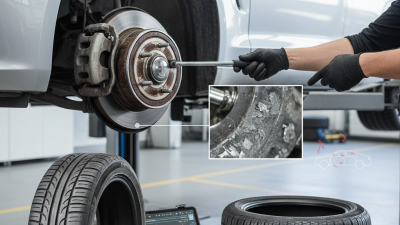
Misalignment can lead to premature wear and damage. Users should be aware of the installation guidelines and take their time.
Frequent inspections and maintenance are essential. This helps in identifying any potential issues early.
Awareness of these factors can enhance the longevity and efficiency of the machinery involved.
Key Benefits of Using UC Bearing Blocks in Various Industries
UC bearing blocks are essential components in various industries, offering numerous benefits. These blocks provide a reliable solution for supporting rotating shafts. Their design allows for easy installation and maintenance, reducing downtime in operations. Many industries benefit from their efficiency, including agriculture, manufacturing, and construction.
In agricultural applications, UC bearing blocks support equipment such as conveyor systems and augers. The blocks withstand harsh conditions, ensuring longevity. In manufacturing, they help maintain smooth operation in machinery, enhancing productivity. Their durability reduces the need for frequent replacements, which is a significant cost saving.
While UC bearing blocks offer excellent performance, they are not without challenges. Users must ensure proper alignment and maintenance. Over time, wear can occur, potentially impacting effectiveness. It's essential to consider these factors to maximize their benefits. Integrating UC bearing blocks thoughtfully can lead to improved operational efficiency across diverse applications.
Benefits of UC Bearing Blocks in Different Industries
Common Applications of UC Bearing Blocks for Global Buyers
UC bearing blocks play a critical role in various industrial applications. They are designed to support rotating shafts and facilitate smooth movement in machinery. Industries such as agriculture, automotive, and construction find them indispensable.
In agriculture, UC bearing blocks are widely used in machinery such as conveyors and harvesters. A report by MarketsandMarkets projects that the agricultural equipment market will reach $170 billion by 2025. This growth reflects an increased demand for reliable components like UC bearing blocks. They enhance efficiency, reducing downtime and maintenance costs.
In the automotive sector, UC bearing blocks are crucial for various applications, including gearboxes and axles. According to a study by Mordor Intelligence, the automotive bearing market is expected to grow at a CAGR of 4.5% from 2020 to 2025. The shift towards electric vehicles adds another layer of complexity to their application. Manufacturers are now facing challenges in ensuring these components meet new standards while maintaining performance.
While UC bearing blocks are robust, they are not without limitations. Incorrect installation can lead to premature failure. Furthermore, the selection of suitable materials is critical. Users must consider environmental factors like temperature and moisture. These considerations are vital for maximizing efficiency and longevity.
Best UC Bearing Block Benefits and Applications for Global Buyers
| Benefit |
Application |
Industry |
Key Features |
| High Load Capacity |
Agricultural Machinery |
Agriculture |
Durable materials, robust design |
| Easy Installation |
Conveyor Systems |
Manufacturing |
User-friendly design, time-efficient setup |
| Low Maintenance |
Textile Machines |
Textile |
Self-lubricating options available |
| Cost-Effective |
Packaging Machinery |
Packaging |
Efficient performance at a lower cost |
| Versatility |
Mining Equipment |
Mining |
Can be used in various applications and conditions |
Factors to Consider When Selecting UC Bearing Blocks
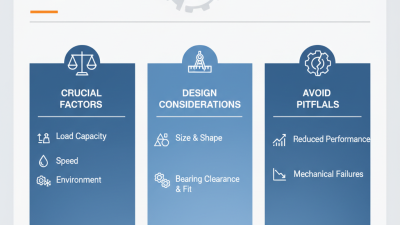
When selecting UC bearing blocks, it's crucial to consider several factors. One primary aspect is the load capacity. Different applications require varying load ratings. Users must assess the maximum weight each block will support. This ensures optimal performance and prevents block failure during operation.
Another important factor is the material composition. UC bearing blocks are often made from different materials like steel or plastic. The choice of material affects durability and resistance to environmental factors. For instance, steel blocks offer better strength, while plastic options may excel in corrosion resistance. It's essential to match the material to the application environment.
Lastly, dimensions and mounting options should not be overlooked. Ensuring the correct fit is vital for the proper function of the bearing block. Manufacturers often provide dimensional specifications, but users should verify compatibility with the existing machinery. Inexperienced buyers may overlook these details and run into issues later. Investing time in careful selection now saves cost and hassle later.
Maintenance Tips for Ensuring Longevity of UC Bearing Blocks
UC bearing blocks play a crucial role in various machinery applications. They require proper maintenance to ensure longevity and efficiency. Regular inspections are vital. Look for signs of wear, such as unusual noises or play in the bearings. These signs indicate potential issues that may escalate if not addressed promptly.
Lubrication is essential for optimal performance. Use the recommended lubricant based on the specifications of your application. Over-lubricating can cause problems, just as insufficient lubrication can. It's important to find the right balance. Additionally, check the mounting surfaces for cleanliness. Dirt or debris can cause misalignment and premature wear.
Temperature control is also a key factor. Excessive heat can degrade the bearing materials over time. Monitor the operating conditions regularly. If temperatures rise unexpectedly, investigate the causes. Ensure that the operating environment is suitable, as high levels of moisture or contaminants can diminish performance. Each of these maintenance steps contributes to the overall reliability of UC bearing blocks, enhancing their lifespan.