What is Left Wheel Bearing and How to Choose the Right One?
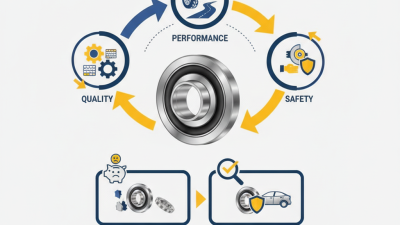
When it comes to vehicle safety and performance, the left wheel bearing plays a crucial role. This component allows the wheel to rotate smoothly, supporting the weight of the vehicle. According to the Automotive Aftermarket Industry Association, wheel bearings account for a significant portion of maintenance costs. Choosing the right left wheel bearing is essential for optimal vehicle performance.
Experts emphasize the importance of selecting high-quality bearings. Poor-quality parts can lead to premature failure, resulting in costly repairs. A study by the National Highway Traffic Safety Administration reveals that faulty wheel bearings contribute to numerous accidents. With so much at stake, understanding how to select the right left wheel bearing is vital.
Many vehicle owners overlook this component, often prioritizing more visible parts. However, ignoring the left wheel bearing can lead to serious issues. Regular inspection and knowledge of wear indicators can help prevent failures. Making informed decisions is key to ensuring safety on the road.
What is a Left Wheel Bearing?
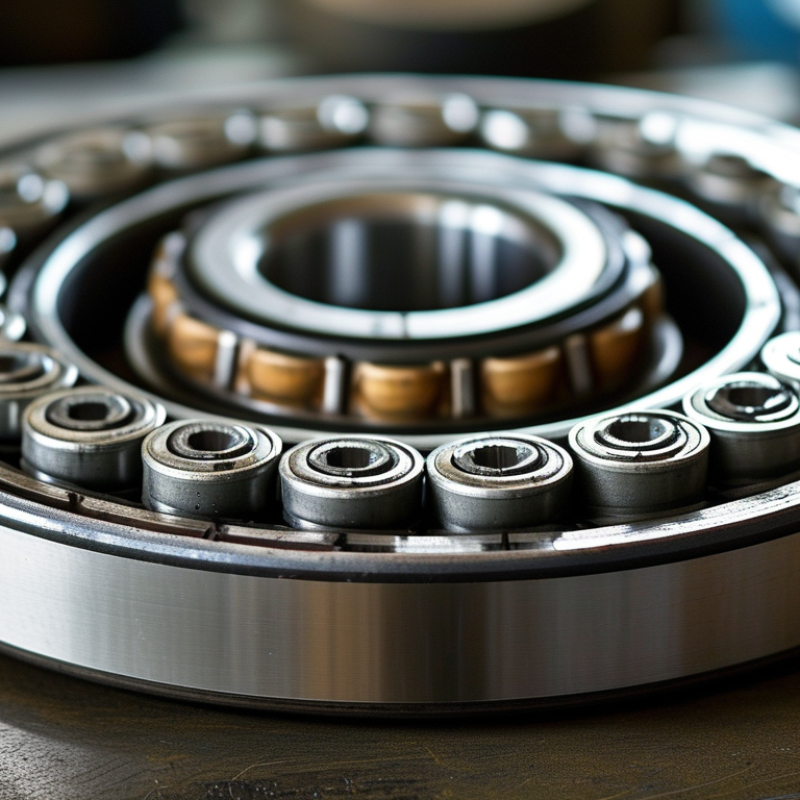
A left wheel bearing is a crucial component in your vehicle. It allows the wheel to spin smoothly while supporting the weight of the car. A damaged wheel bearing can cause noise, vibration, and even affect handling. Recognizing its importance helps in maintaining vehicle safety and performance.
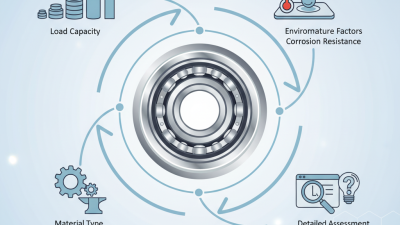
When selecting the right left wheel bearing, consider several factors. Quality is vital; choosing the right materials ensures durability. Check compatibility with your vehicle's make and model. The installation should be straightforward to avoid unnecessary complications. Some may think they can do it themselves, but professional help might save time and effort in the long run.
It's also essential to examine the warranty available. A longer warranty often indicates confidence in the product's reliability. However, don't rush this decision. Take your time to research options and read reviews. This diligence can prevent future issues. A thoughtful choice now leads to smooth rides later.
Functionality and Importance of Left Wheel Bearings
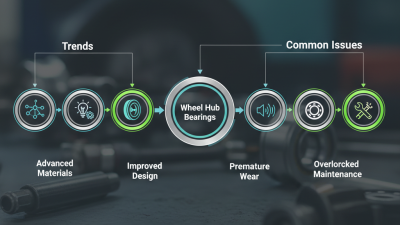
Left wheel bearings play a crucial role in vehicle safety and performance. According to industry reports, up to 15% of vehicle issues relate to wheel bearings. These components allow the wheels to rotate with minimal friction. A damaged bearing can lead to uneven tire wear and might even disable the vehicle. Thus, understanding their functionality is essential for any vehicle owner.
The importance of left wheel bearings cannot be understated. A study indicated that 80% of drivers neglect regular bearing maintenance. This negligence often leads to costly repairs and potential accidents. Properly functioning bearings ensure smooth rides and improved fuel efficiency. They support the weight of the vehicle while absorbing shocks. Choosing the right left wheel bearing involves considering factors such as material quality and load ratings. High-quality bearings can last longer and provide better performance.
Choosing the correct left wheel bearing requires careful consideration. For example, bearings made from high-strength steel offer better durability. However, they may come at a higher price. Reflecting on these choices is essential. Not all options will meet specific vehicle needs, and it’s crucial to avoid overspending on unverified products. Balancing quality and cost is often a challenging task for consumers.
What is Left Wheel Bearing and How to Choose the Right One? - Functionality and Importance of Left Wheel Bearings
| Dimension |
Description |
Importance |
| Material |
Steel, ceramic, or composite materials |
Durability and resistance to wear and tear |
| Fitment |
Compatibility with vehicle make and model |
Ensures safe and efficient performance |
| Sealing |
Rubber or metal seals |
Prevents contamination from dirt and moisture |
| Load Rating |
Weight capacity specification |
Maintains performance under load |
| Brand Reputation |
Manufacturer's history and credibility |
Reflects reliability and quality assurance |
Signs of a Failing Left Wheel Bearing
A left wheel bearing is critical for smooth vehicle operation. When it begins to fail, drivers may notice distinct signs. A common early indication is a persistent humming or grinding noise while driving. This sound can intensify with speed. It’s essential not to ignore these noises. Industry data suggests that 50% of bearing failures are due to inadequate lubrication or wear.
Another sign of a failing left wheel bearing is uneven tire wear. If one tire shows more wear than others, it may signal bearing issues. Drivers should inspect their tires regularly for signs of unusual wear patterns. Vibration in the steering wheel can also point to problems. If the steering feels unsteady, seek professional evaluation promptly.
Tips for maintaining wheel bearings include regular inspections. Drivers should pay attention to any changes in vehicle performance. Lubrication levels must be checked often. Keeping bearing seals intact helps prevent dirt entry, prolonging bearing life. If replacement is needed, consult a professional to ensure compatibility and quality. Remember, timely action can save you from costly repairs.
Signs of a Failing Left Wheel Bearing
How to Choose the Right Left Wheel Bearing
Choosing the right left wheel bearing is essential for vehicle safety and performance. It impacts how well your car drives. The left wheel bearing supports the wheel, allowing it to spin freely. A quality bearing can prevent unnecessary wear and tear.
Start by considering the vehicle type. Different cars may require specific sizes and specifications. Check the owner’s manual for guidance. Research online for detailed specifications. Look into customer reviews and expert opinions. They can provide insight into performance and reliability.
Pay attention to installation requirements. Some bearings are easier to install than others. If you're unsure, consult a professional mechanic. They can help ensure you choose the best part. Lastly, remember that a higher price does not always equal better quality. Sometimes, affordable options perform just as well. Trust your instincts and gather as much information as possible.
Installation Tips for Left Wheel Bearings
When installing a left wheel bearing, preparation is key. Start by gathering the right tools. A socket set, torque wrench, and bearing separators will make the process smoother. Make sure to inspect the hub for any damage before you begin. Often, hidden issues reveal themselves only when you start working. Don't overlook this step; it can save you time later.
During the installation, align the bearing carefully. Ensuring proper fitment reduces the risk of early wear. Use the right lubricant; it protects the bearing from friction and heat. Keep in mind that misalignment can lead to more significant problems down the road. It’s beneficial to double-check your work as you go.
A common mistake is assuming everything is fine after the first installation attempt.
Once installed, it's equally important to test the wheel. Listen for unusual noises or vibrations. These could indicate improper installation. If something seems off, don’t hesitate to revisit your steps. Getting it right the first time is ideal, but learning from mistakes is part of the process. Always keep refining your technique to improve your installation skills for future projects.