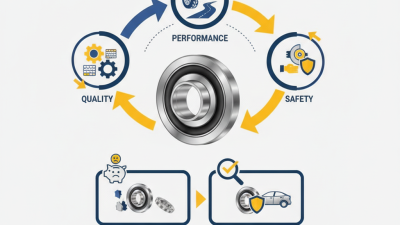
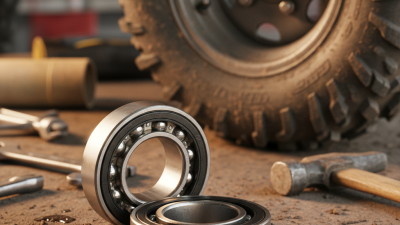
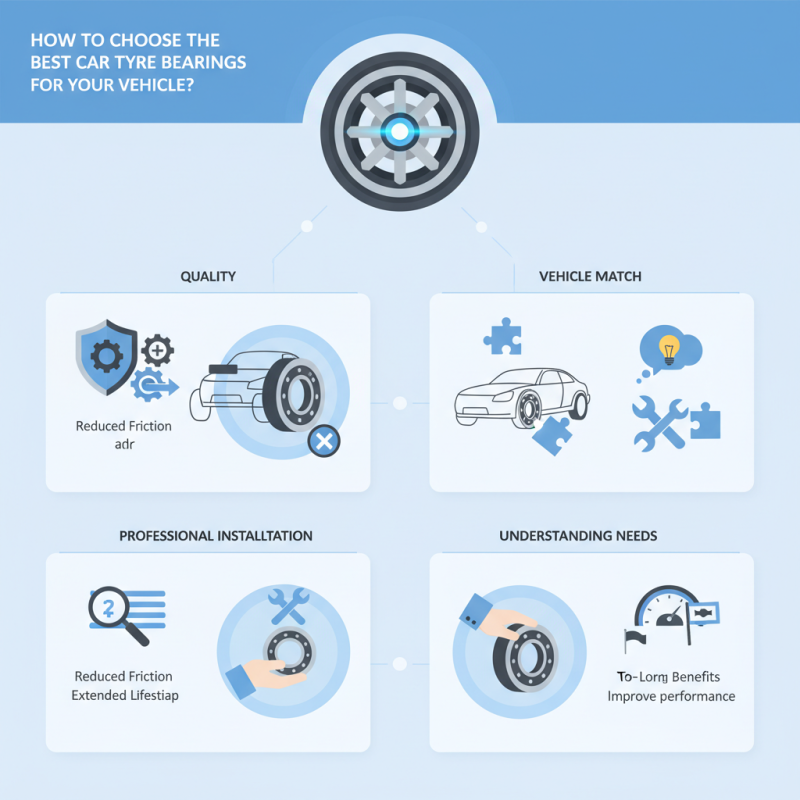
Choosing the right car tyre bearing is crucial for vehicle performance. An appropriate bearing enhances driving comfort and ensures safety on the road. When selecting a car tyre bearing, you must consider several factors.
Quality matters significantly. High-quality bearings can withstand various driving conditions. They reduce friction and wear over time. Look for trusted manufacturers who have a good reputation. It’s important to research and read reviews. Often, people overlook the importance of matching the bearing to their specific vehicle model. This can lead to unnecessary issues.
Installation is another aspect to reflect on. Incorrect installation might cause more harm than good. Professionals can guide you in making the best choice. Overall, understanding your needs is essential in this decision-making process. Each choice impacts your vehicle's overall performance. Investing time in selecting the best car tyre bearing can pay off significantly in the long run.
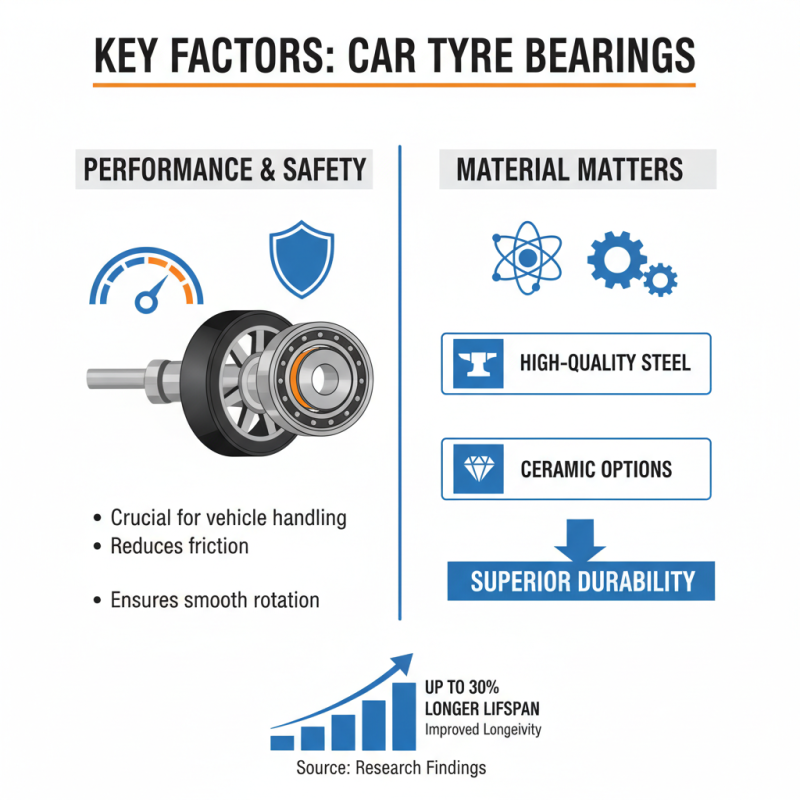
Car tyre bearings play a vital role in vehicle performance. They support the wheels and reduce friction, ensuring smooth rotation. A well-functioning bearing contributes to stability and handling. According to the Society of Automotive Engineers (SAE), faulty bearings can lead to decreased fuel efficiency by up to 10%. Understanding this, it’s essential to choose the right bearings for your vehicle.
Regular maintenance is crucial. Over time, bearings can wear down due to road conditions and driving habits. A damaged bearing may produce unusual noises or vibrations. Always inspect your tyres and bearings when replacing tires. Proper alignment can extend the life of your bearings.
Tip: Look for signs of wear. Check for unusual sounds during driving. If you notice anything odd, consult a professional. Choosing high-quality bearings can seem costly initially. However, the long-term benefits often outweigh the short-term expenses. Quality bearings improve safety and performance, making your investment worthwhile.
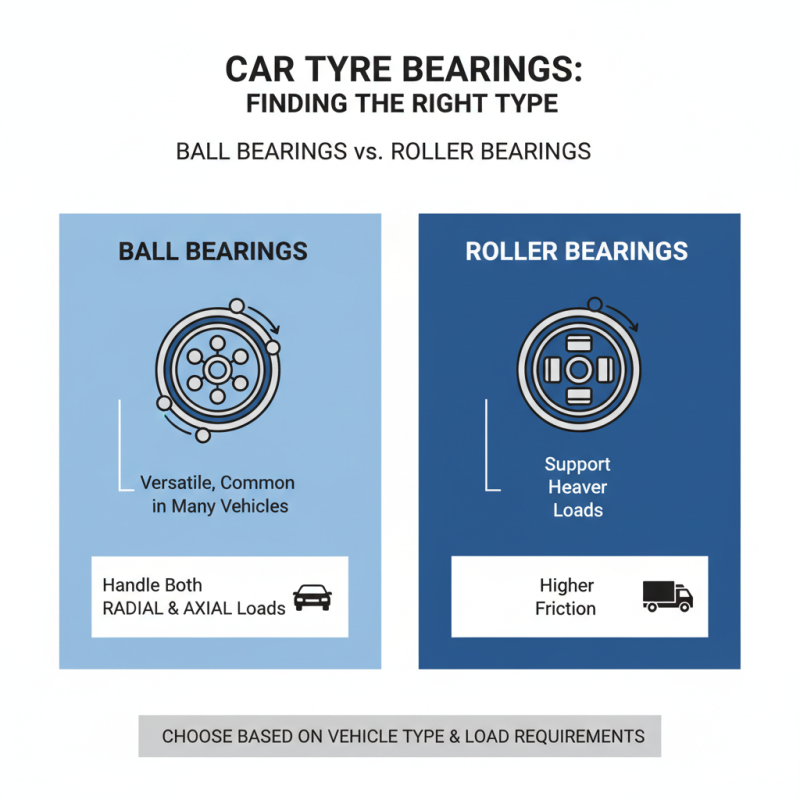
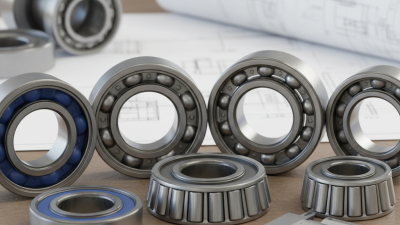
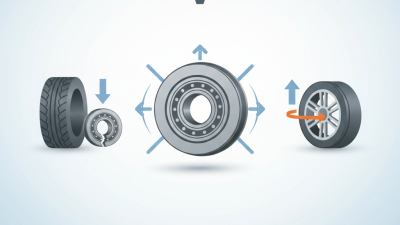
When choosing car tyre bearings, understanding the types available is crucial. Commonly, there are ball bearings and roller bearings. Ball bearings are versatile and typically used in many vehicles. They handle both radial and axial loads effectively. Roller bearings, on the other hand, can support heavier loads but may have higher friction.
To identify the right bearing type, check your vehicle’s manual or consult with a professional. Different vehicles have specific requirements based on weight and design. A mismatch could lead to poor performance or even damage. Always consider the manufacturer's recommendations.
Tips: Examine your old bearings for wear. This can indicate whether you need a replacement or a different type. Don't ignore any unusual noises; they might signal bearing issues. Regular maintenance checks can help in early detection of problems, saving time and costs in the long run.
Choosing the right car tyre bearings is essential for performance and safety. Several key factors influence this decision. The bearing material is crucial. High-quality steel and ceramic options deliver superior durability. Research shows that the right materials can improve longevity by up to 30%. This is significant for long-term vehicle maintenance.
Another important factor is the bearing size and fit. Incorrect dimensions can lead to increased wear and tear. According to industry reports, a proper fit reduces friction by 15%. This reduction enhances fuel efficiency and extends the lifespan of your tyres.
Lastly, consider the manufacturing standards. Bearings should meet or exceed recognized industry benchmarks. While many products claim compliance, third-party certifications are your best assurance. Don't hesitate to seek informed advice or consult with experts. It's better to invest time in research than to replace bearings too soon. Balancing these factors will lead to a more informed choice.
When selecting the best tyre bearings for your vehicle, expert recommendations can guide you. Reputable studies indicate that approximately 70% of bearing failures occur due to improper selection or installation. Hence, understanding the specifications and performance of various brands is crucial.
Leading industry reports emphasize the importance of material quality and design. For example, bearings made of high-grade steel tend to perform better under stress and provide a longer lifespan. Modern designs now incorporate advanced technologies, such as improved sealing and reduced friction, enhancing overall performance.
Specific models stand out due to their reliability, particularly in extreme conditions. According to recent data, bearings with specially designed insulation can help prevent overheating. However, it's essential to assess your vehicle's specific needs; different models may excel in various environments. Research indicates that drivers seeking high performance should opt for bearings that boast both strength and adaptability.
Maintaining car tyre bearings is crucial for vehicle longevity. Regular inspections can prevent unforeseen issues. Look for cracks or signs of wear. A worn bearing can lead to serious damage. It is not always easy to identify subtle problems. Sometimes, noise may be the only clue.
Proper lubrication is essential. Over time, grease can break down. This may cause increased friction and heat. As a result, bearings could fail prematurely. Check the manufacturer’s recommendations for lubrication intervals. Failure to do so may shorten their lifespan. Remember, this is not often considered until a problem arises.
Tire pressure also plays a role in bearing health. Under-inflated tires can put extra strain on the bearings. Regularly checking the pressure is a simple task. It’s often overlooked but can save you significant costs. Also, consider the impact of driving habits. Abrupt turns and heavy braking can wear out bearings faster than expected. Reflect on your driving to ensure better maintenance for your vehicle.
| Feature | Description | Maintenance Tips |
|---|---|---|
| Material Type | High-quality steel or ceramic for durability | Regularly inspect for signs of wear and tear |
| Sealing Type | Effective seals to keep dirt and moisture out | Clean the sealing area to prevent debris buildup |
| Load Capacity | Should match or exceed your vehicle's requirements | Avoid overloading the vehicle |
| Heat Resistance | Should withstand high temperatures during operation | Ensure proper lubrication to reduce heat |
| Compatibility | Must be compatible with your specific vehicle model | Consult the vehicle manual for specifications |
| Lubrication | Proper lubrication can prevent excessive wear | Use the manufacturer's recommended lubricant |