How to Choose the Right Rear End Bearing for Your Vehicle?
Choosing the right rear end bearing for your vehicle is crucial for optimal performance. According to Jim Rood, a leading expert in automotive engineering, "Selecting the accurate rear end bearing can save you from costly repairs." This statement emphasizes the importance of making informed decisions in the bearing selection process.
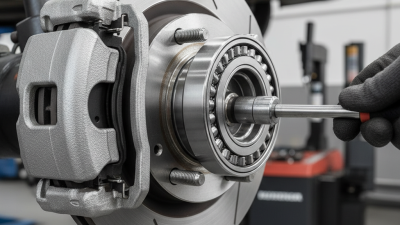
Rear end bearings play a vital role in ensuring smooth operation. They support the axle and affect handling and tire wear. Without the correct bearing, you might face significant issues. Many vehicle owners overlook this aspect. They often opt for cheaper alternatives, leading to premature failure.
Knowing the specifications of your vehicle is essential. Factors such as load capacity and material quality should not be ignored. As Jim Rood suggests, "A well-chosen rear end bearing can enhance your vehicle's lifespan." It’s important to reflect on the long-term impact of your choice. Making an informed decision now can prevent challenges later.
Understanding the Different Types of Rear End Bearings Available
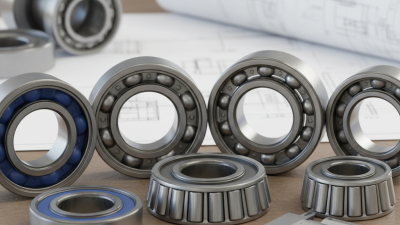
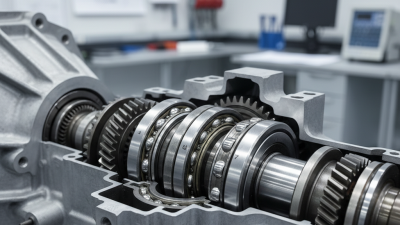
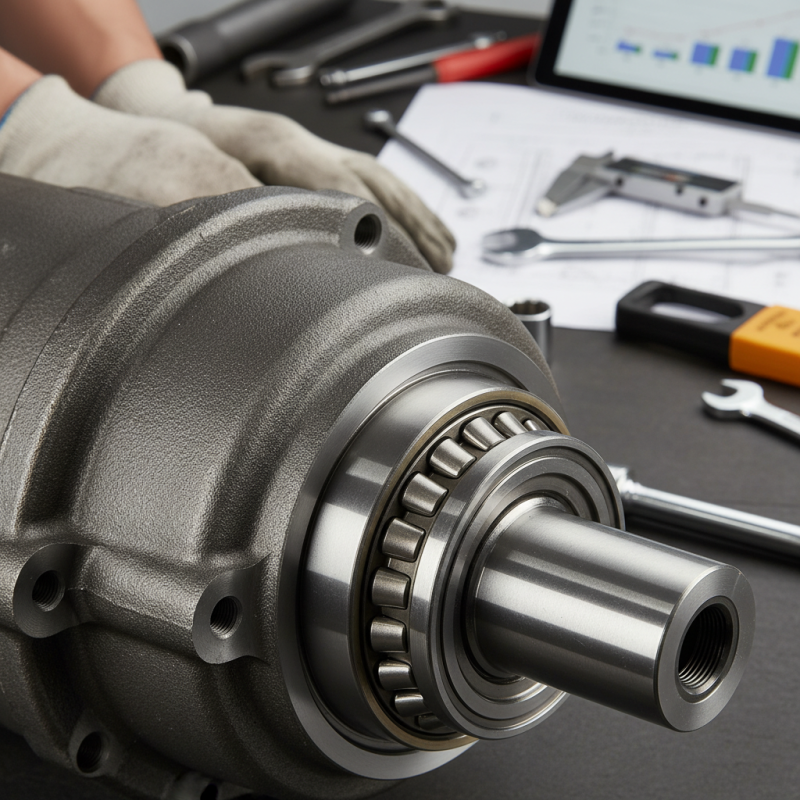
When selecting the right rear end bearing for your vehicle, understanding the different types available is crucial. Rear end bearings are essential for smooth operation and longevity. They support the driveshaft and help maintain alignment. There are commonly three types: tapered roller bearings, ball bearings, and thrust bearings. Each type serves a specific purpose based on vehicle type and usage.
Tapered roller bearings are the most common choice. They can handle both radial and axial loads efficiently. These are ideal for heavy-duty applications, like trucks and SUVs. Ball bearings, while less robust, offer lower friction. They are suitable for lighter vehicles and performance applications. Thrust bearings, on the other hand, primarily manage axial loads. They are often used in manual transmissions and specific rear-end configurations.
Choosing the right bearing involves more than just knowing the types. One must consider the vehicle's weight, usage, and driving conditions. It's not uncommon to see mismatched bearings in vehicles, often due to improper installation. In such cases, performance issues arise, leading to premature wear. Regular inspections can help ensure that the correct bearing is always in place. Understanding these nuances can enhance vehicle performance significantly.
How to Choose the Right Rear End Bearing for Your Vehicle?
| Bearing Type |
Material |
Load Capacity (lbs) |
RPM Rating |
Typical Applications |
| Ball Bearing |
Steel |
1500 |
10,000 |
Passenger Cars |
| Tapered Roller Bearing |
Alloy Steel |
3000 |
7500 |
Trucks, SUVs |
| Spherical Roller Bearing |
Chrome Steel |
5000 |
6000 |
Heavy-Duty Vehicles |
| Needle Roller Bearing |
Stainless Steel |
1200 |
15000 |
Motorcycles, Race Cars |
| Plain Bearing |
Bronze |
800 |
4000 |
Industrial Machinery |
Factors to Consider When Selecting Rear End Bearings for Your Vehicle
When selecting rear end bearings for your vehicle, several key factors must be considered. The type of vehicle greatly influences which bearing is suitable. For example, performance vehicles often require high-load capacity bearings, which can handle increased stresses. Industry reports indicate that the right bearings can improve durability by up to 30%.
Another crucial aspect is the material of the bearing. Common materials include steel and ceramic, which offer different properties. Steel bearings provide strength but can wear out faster. Ceramic bearings, while more expensive, tend to last longer. Reports suggest that vehicles using ceramic bearings show a percentage of reduced friction, enhancing overall efficiency.
Additionally, bearing size and fit are vital for performance. Improperly sized bearings can lead to misalignment, resulting in additional wear. Research shows that about 15% of bearing failures stem from installation errors. Careful measurement and consultation with experts can mitigate these risks. Consider these factors thoroughly; the right choice will enhance your vehicle's performance and longevity.
Factors to Consider When Selecting Rear End Bearings for Your Vehicle
Impact of Rear End Bearing Material on Performance and Longevity
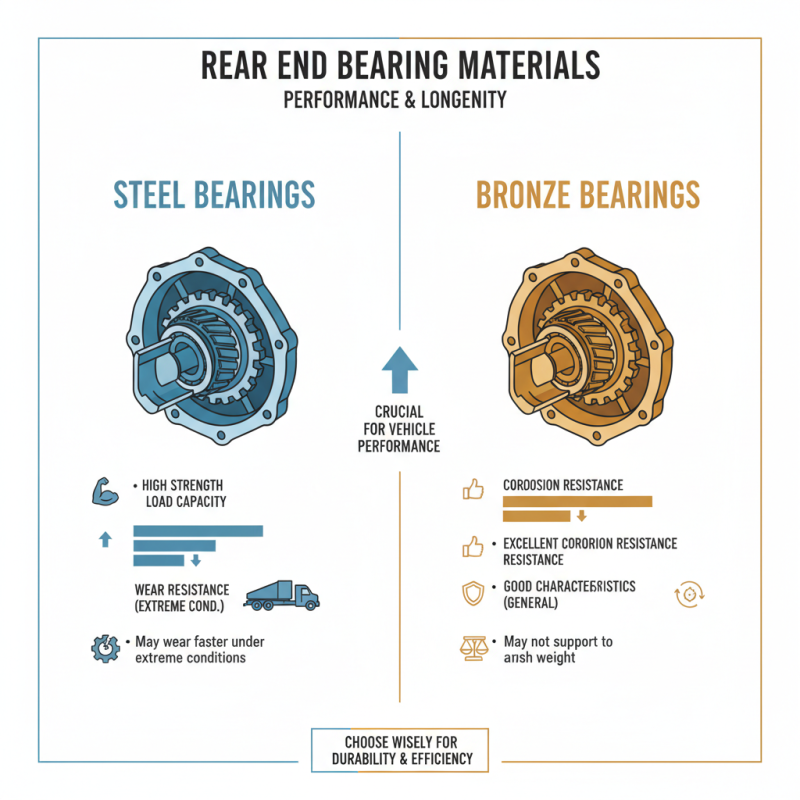
Choosing the right rear end bearing is crucial for vehicle performance. The material of the bearing plays a significant role in how well it functions over time. Common materials include steel and bronze, each with distinct advantages. Steel bearings often excel in strength and can handle heavy loads. However, they may wear out faster under extreme conditions. Bronze bearings, on the other hand, provide excellent corrosion resistance and wear characteristics, but they may not support as much weight.
When selecting a rear end bearing, consider your driving habits. If you drive aggressively or tow heavy loads, a stronger material like steel may be necessary. For daily driving in mild conditions, bronze could offer longevity and smoother operation.
Tip: Always check manufacturer specifications. Compatibility is key for optimal performance. Don't just go for the cheapest option; quality matters.
Another point to reflect on is maintenance. Great materials can still fail if neglected. Regular inspection and lubrication can extend bearing life. Make a habit of checking for unusual noises or vibrations during your drives.
Tip: Keep an eye on wear patterns. They can indicate if you need to rethink your choice or replace the bearing. Knowing when to act can save you from larger issues down the road.
The Role of Rear End Bearing Specifications in Vehicle Compatibility
Choosing the right rear end bearing for your vehicle is critical for optimal performance. The specifications of these bearings play a fundamental role in vehicle compatibility. Proper alignment and load distribution are essential for ensuring longevity and functionality. According to industry studies, nearly 25% of bearing failures result from improper specifications. Bearings must fit precisely in their housings. This prevents excessive wear and overheating.
When evaluating specifications, consider load ratings and material characteristics. For instance, bearings designed for high-performance vehicles often require advanced materials to withstand extreme conditions. Research indicates that using incorrectly rated bearings can reduce lifespan by more than 50%. The integrity of the bearing is compromised under stress, leading to catastrophic failure.
Take note of the manufacturing process as well. Precision engineering ensures that each component meets rigorous standards. However, not all manufacturers adhere to the same quality practices. Inconsistent processes can lead to variations in performance. This inconsistency sometimes goes unnoticed until a failure occurs, prompting deeper reflection on sourcing decisions. Always prioritize reliability in bearing selection to avoid unforeseen complications.
Common Mistakes to Avoid When Choosing Rear End Bearings
When choosing rear end bearings, many make crucial mistakes. One common error is neglecting the specific requirements of the vehicle. Each model may have different tolerances and specifications. Selecting a bearing without proper research can lead to poor performance or premature failure.
Verify your vehicle’s manual for recommendations to avoid this pitfall.
Another frequent oversight involves ignoring the quality of materials. Some may opt for lower-cost options, thinking they save money. However, inferior bearings can compromise safety and efficiency. Invest in high-quality materials for long-term reliability. Reading reviews and seeking advice from experts can guide you in making smarter choices. Always consider that cost-cutting today might lead to costly repairs tomorrow.