Top Tips for Choosing the Right Rear Wheel Bearing?
Choosing the right rear wheel bearing is crucial for any vehicle. This component plays a vital role in the smooth operation of your wheels. A poorly chosen rear wheel bearing can lead to serious issues. You may experience increased noise or even wheel failure over time.
Understanding the specifications of rear wheel bearings is essential. Different vehicles require different types. A right fit ensures safety and performance. You should also consider the manufacturer. High-quality brands often provide the best options. However, price alone shouldn’t be your only factor. Sometimes, cheaper alternatives may not last long.
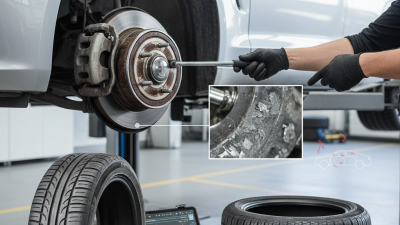
Inspecting the bearing before purchase is important too. Look for signs of wear or damage. Remember, a neglected rear wheel bearing can affect your entire vehicle. Trust your instincts and seek professional advice if unsure. Making an informed choice can save you time and money in the long run.
Understanding the Function of Rear Wheel Bearings in Vehicles
Rear wheel bearings play a crucial role in the functionality of a vehicle. They support the wheels, allowing them to spin with minimal friction. This reduces wear on the tires and enhances fuel efficiency. Properly functioning bearings also contribute to better handling and stability, ensuring a smooth ride. If a bearing starts to fail, drivers may hear grinding noises or notice vibrations. These signs should not be ignored, as they can lead to more significant issues.
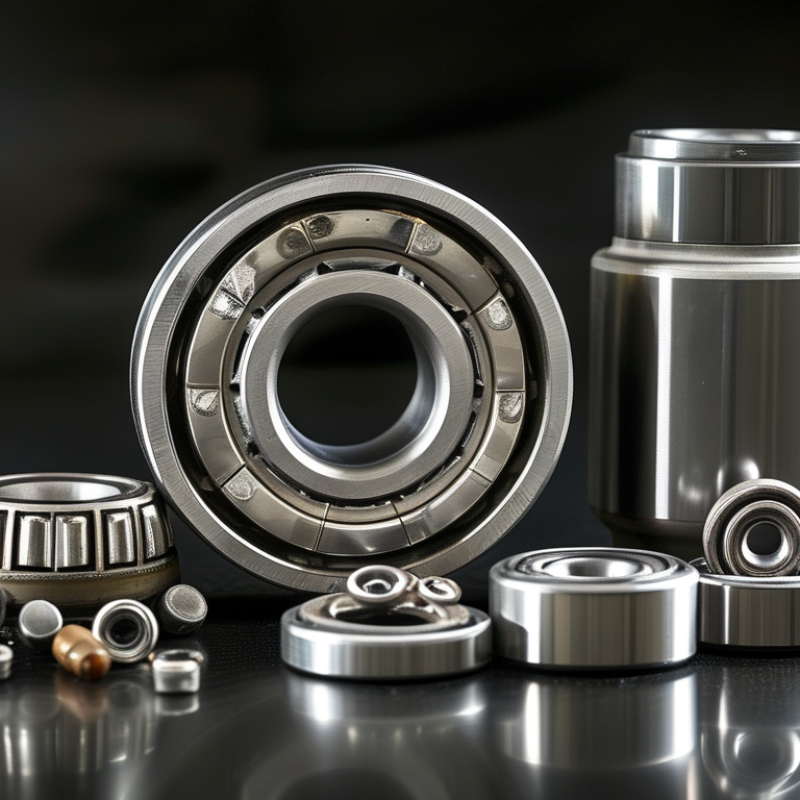
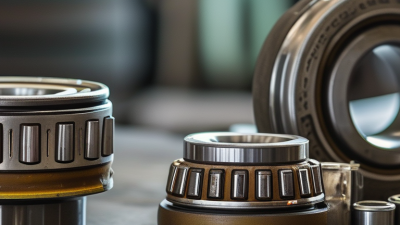
Understanding the mechanics of rear wheel bearings is essential. They typically consist of an inner and outer race, along with rolling elements like balls or rollers. When selecting replacements, consider the quality of materials used. Cheaper options may seem tempting but can lead to premature failure. It's also important to think about installation methods and the specific requirements for your vehicle's make and model. Overlooking these details can result in costly repairs down the line. Regular maintenance and inspections can help spot potential problems before they escalate.
Signs of Worn or Damaged Rear Wheel Bearings
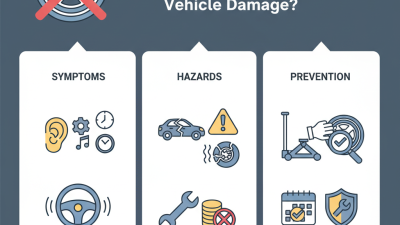
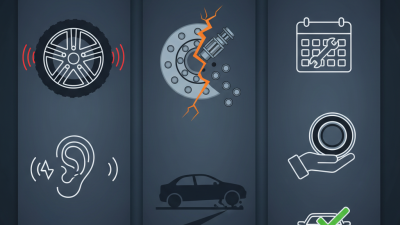
When it comes to rear wheel bearings, knowing the signs of wear or damage is crucial. Unusual noises are often the first indicator. If you hear grinding or humming sounds while driving, it could mean your bearings are failing. Vibration in the steering wheel or the vehicle itself can also signal trouble. You might think this is normal, but it often reflects deeper issues.
Additionally, irregular tire wear can point to problems with your rear wheel bearings. If you notice bald spots or uneven tread, check your bearings. In some cases, fluid leaks near the wheel assembly might also occur. This can indicate that the wheel bearing seal has been compromised.
Ignoring these signs can lead to more significant problems down the road. Frequent inspections of your vehicle can help catch these issues early. Listening to your car and being attentive to changes will aid in maintaining safety on the road. Consider having a trusted professional assess your vehicle if you notice any of these warning signs.
Factors to Consider When Choosing Rear Wheel Bearings
Choosing the right rear wheel bearing is essential for your vehicle's performance and safety. Several factors play a crucial role in making this decision. One of the primary considerations is the material used in the bearing. High-quality steel or polymer materials can impact durability and resistance to wear. You may want to conduct some research on different materials, as they each come with distinct advantages and disadvantages.
Another key factor is the bearing's load rating. This rating indicates the amount of weight the bearing can support. Make sure to match this rating with your vehicle's specifications. If unsure, consult a professional for guidance. It's also important to examine the bearing's design. Some bearings come with seals that prevent dirt and moisture from entering. These seals can extend the bearing's life, but they may also add complexity.
Noise is another detail worth examining; a noisy bearing can signify underlying issues. If you're unsure about which bearing to choose, consider seeking advice online or from trusted mechanics. Personal experiences shared in forums can be insightful, but always cross-verify any new information. With thorough consideration of these factors, you can make a more informed choice for your vehicle's rear wheel bearings.
Top Tips for Choosing the Right Rear Wheel Bearing
| Factor |
Description |
Importance Level |
| Bearing Type |
Choose between standard and premium bearings based on your vehicle's requirements. |
High |
| Material Quality |
Ensure the bearing is made of durable materials to withstand wear and tear. |
High |
| Compatibility |
Verify that the bearing is compatible with your vehicle's make and model. |
Critical |
| Sealing Type |
Select a bearing with the appropriate sealing type to protect against contaminants. |
Moderate |
| Load Rating |
Check the load rating to ensure it can handle the weight and stresses exerted on it. |
High |
| Price Range |
Consider your budget, but don’t compromise on quality for the price. |
Moderate |
| Warranty |
Look for bearings that come with a warranty for added peace of mind. |
Moderate |
| Installation Process |
Consider whether you can install it yourself or if professional help is needed. |
Low |
Comparison of Different Rear Wheel Bearing Brands and Models
When choosing rear wheel bearings, the variety of brands and models can be overwhelming. Each type has unique specifications that can affect performance and longevity. According to a recent industry report by the Automotive Aftermarket Suppliers Association, nearly 30% of premature bearing failures are due to poor selection. This highlights the importance of understanding the differences among available options.
One significant factor is the material composition. High-quality bearings often use dual-lip seals for enhanced protection against dirt and moisture. Models with better sealing mechanisms have a longer lifespan, which can be crucial for safety. Furthermore, some brands provide specific load ratings and temperature ranges. The Society of Automotive Engineers recommends checking these specifications against vehicle requirements to ensure compatibility.
Additionally, user reviews often reveal common issues. Many consumers report increased noise from budget brands, indicating poor craftsmanship. Engineers suggest evaluating both the manufacturer's warranty and user feedback when selecting a model. Reliable data indicates that brands with comprehensive warranties often generate higher customer satisfaction. It's essential to weigh these factors carefully to make an informed decision, ensuring optimal performance and safety in the long run.
Installation Tips and Maintenance for Rear Wheel Bearings
Choosing the right rear wheel bearings for your vehicle can significantly impact performance, safety, and longevity. Proper installation and regular maintenance are crucial to ensuring they function optimally. A recent industry report highlighted that nearly 30% of bearing failures stem from improper installation. This statistic underscores the importance of following precise guidelines during the installation process.
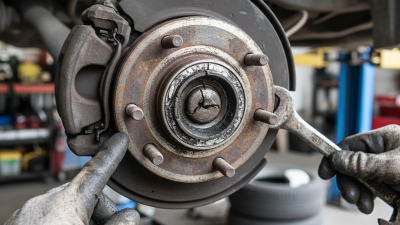
When installing rear wheel bearings, cleanliness is key. Dirt or contaminants can lead to premature wear. Always clean the bearing housing thoroughly before inserting the new bearing. Additionally, ensure that you’re using the right tools for removal and installation. Using the wrong tools may damage the bearing or surrounding components, potentially leading to costly repairs.
Regular maintenance is essential for prolonging the lifespan of rear wheel bearings. Experts recommend checking bearings for wear every 30,000 miles or as part of a routine inspection. Look for any signs of noise, vibration, or irregular tire wear. These can indicate that bearings are failing. If you notice these symptoms, don’t hesitate to take your vehicle to a professional. Addressing issues early can save money and enhance safety on the road.