What is Auto Wheel Bearing and How to Choose the Right One?
Choosing the right Auto Wheel Bearing is crucial for vehicle performance. An expert in automotive technology, John Smith, emphasizes, “The quality of wheel bearings can significantly impact safety.” This highlights the importance of understanding what an Auto Wheel Bearing is and how it works.
Auto Wheel Bearings are essential components that allow smooth rotation of the wheels. They bear the weight of the vehicle and endure constant friction. Selecting the right bearing is not just about brand or price; it requires knowledge of specifications and compatibility. Often, mechanics see premature wear due to improper selection.
In many cases, consumers overlook specifics when choosing Auto Wheel Bearings. For instance, the load capacity and material type can affect durability. Many find themselves needing replacements sooner than expected. Understanding these details can help ensure a safer driving experience. Make informed choices to avoid costly mistakes in the future.
What is an Auto Wheel Bearing and Its Function in Vehicles?
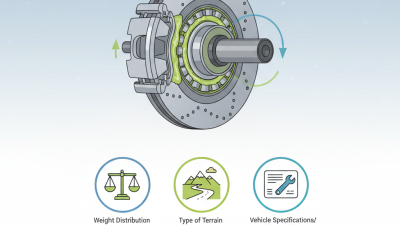
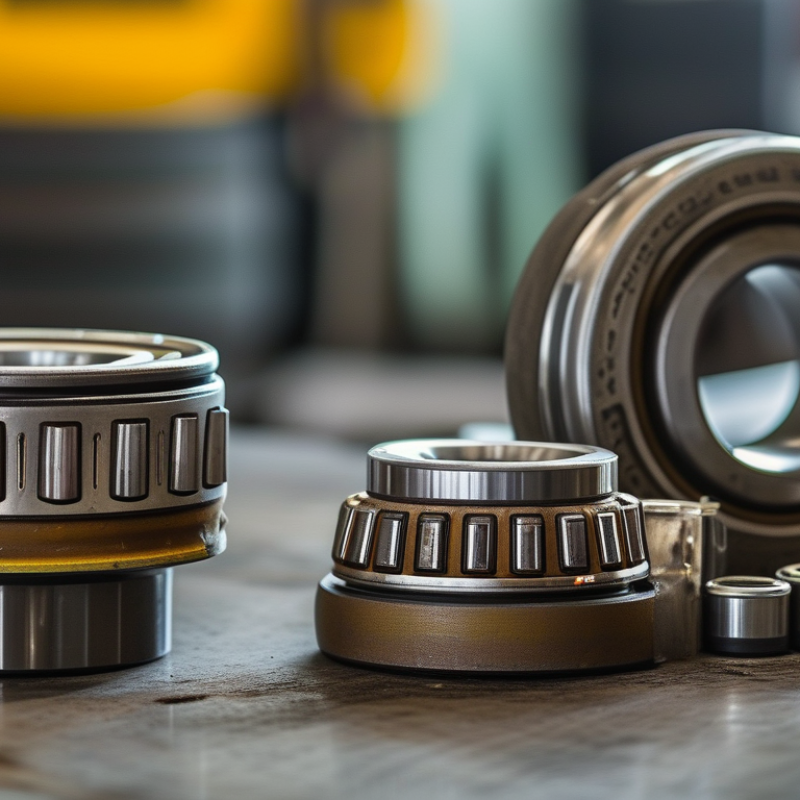
Auto wheel bearings play a crucial role in any vehicle's operation. They allow the wheels to rotate smoothly on the axle while supporting the vehicle weight. These components reduce friction, enabling easier movement. A well-functioning wheel bearing ensures stability and control during driving. Signs of a failing bearing include strange noises and vibrations. These issues can impact overall safety.
When choosing the right auto wheel bearing, it’s essential to consider your vehicle's specific requirements. Factors like load capacity and size are critical. Ensure compatibility with your vehicle model. Sometimes, the quality of materials used in bearings can vary significantly. This might not be obvious at first glance, but it can affect performance.
Research and reviews can guide your decision-making process. However, personal experience also matters. It's valuable to consult with mechanics, as they often have insights based on practical experience. Remember, a poorly chosen bearing can lead to further issues down the road. It pays to take your time and make an informed choice.
Types of Auto Wheel Bearings: Overview and Comparison
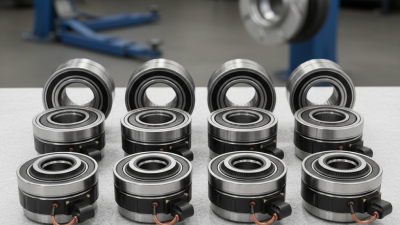
Auto wheel bearings play a critical role in vehicle safety and performance. Various types exist, each suited for different applications. The most common types are roller bearings, ball bearings, and tapered roller bearings. Roller bearings are often used in heavier vehicles, providing excellent load distribution. They can withstand high forces. Ball bearings are versatile and used in many cars, offering lower friction. Tapered roller bearings combine both features, allowing for greater load capacity and improving steering response.
Understanding the differences is essential for choosing the right one. According to industry reports, improper selection can lead to a 30% increase in maintenance costs due to premature wear. For instance, using ball bearings in a heavy-duty application may result in failure, leading to safety risks and costly repairs.
Research has shown that high-quality bearings improve fuel efficiency by reducing friction. Temperature control becomes crucial, as excessive heat can degrade bearing performance. Documented studies recommend regular inspection to detect wear early. Investing in the right type of bearing tailored to your vehicle's needs can enhance lifespan significantly. This choice directly impacts maintenance schedules and overall driving experience.
Key Factors to Consider When Choosing Wheel Bearings
Choosing the right auto wheel bearing is crucial for the safety and performance of your vehicle. Several key factors play a vital role in this decision. First, consider the material of the bearing. High-quality steel provides strength and durability, reducing the risk of wear and tear.
Next, pay attention to the bearing size. An incorrect size can lead to poor fitting, resulting in excessive noise and vibration. It's essential to verify specifications before purchase. Installation method is another critical aspect. Some bearings are easier to install than others, requiring specialized tools or skills.
**Tips:** Always consult your vehicle’s manual for specific recommendations. If unsure, seek professional advice. Noise levels in bearings can sometimes signal underlying issues, so don't ignore unusual sounds. Regular maintenance can prolong bearing life, but replace them when signs of damage appear.
Auto Wheel Bearing Selection: Key Factors
This chart illustrates the key factors to consider when selecting auto wheel bearings, rated on a scale from 1 to 10 based on their importance. Material quality is the most critical factor, followed by lifespan and noise level.
Signs of Wheel Bearing Wear and When to Replace Them
When it comes to wheel bearings, recognizing the signs of wear is crucial. A study by the National Highway Traffic Safety Administration found that approximately 22% of vehicle breakdowns are due to wheel bearing failure. Common signs of wear include unusual noises like grinding or humming while driving. These sounds can signal that the inner components are deteriorating. Additionally, if you notice vibrations or feel uneven tire wear, it could indicate a problem. Ignoring these signs may lead to a complete wheel failure.
Another important aspect is the impact of environmental factors on wheel bearing life. Reports suggest that exposure to road salt and grit can accelerate wear. Regular inspections are necessary to catch any potential issues early. It's also noteworthy that some drivers may hesitate to replace their bearings promptly. This reluctance can result in more severe damage and higher repair costs. Experts recommend checking wheel bearings every 30,000 miles, especially if significant noise or vibration is present. Addressing these issues early can enhance safety and prolong the lifespan of your vehicle.
Installation Tips for New Auto Wheel Bearings: A Step-by-Step Guide
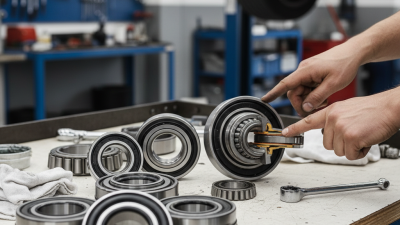
When installing new auto wheel bearings, attention to detail is essential. Start by gathering your tools: a torque wrench, hydraulic press, and a bearing puller. Before you begin, it’s important to ensure your vehicle is safely elevated. Always use jack stands for security. Remember to wear gloves and goggles; safety should come first.
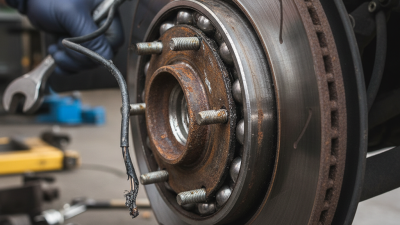
Remove the wheel and brake components smoothly. Check the condition of the old bearing. Look for signs of rust or damage. This inspection can save you time. Once you’ve removed the old bearing, clean the hub area thoroughly. Debris can hinder the new bearing’s performance.
Press the new bearing into place carefully. Ensure it fits snugly without forcing it. Over-tightening can lead to premature wear. If it doesn't feel right, reassess your installation technique. Reassemble the brake and wheel, torque the bolts correctly, and take the car for a test drive. Listen for any unusual noises. If something feels off, revisit your work. Each installation can vary, and experiencing small setbacks is part of the learning process.