Why are Bearing Needles Essential for Industrial Applications?
Bearing needles play a crucial role in various industrial applications. Expert John Smith, a leading figure in the bearing industry, stated, “Without high-quality bearing needles, machinery efficiency declines significantly.” This highlights their importance in maintaining performance.
In machinery, bearing needles reduce friction. This increases the lifespan of components in different equipment. For instance, they provide smooth movement in electric motors and automotive systems. However, not all bearing needles are created equal; quality varies widely in the market. A bad choice can lead to machine failure.
Regular maintenance and choosing the right bearing needles are essential. Ignoring these factors can result in costly downtime. Industries must prioritize high-quality needles for optimal performance. The stakes are high, and even minor lapses can become significant. Thus, understanding and implementing the right solutions is critical for success in industrial applications.
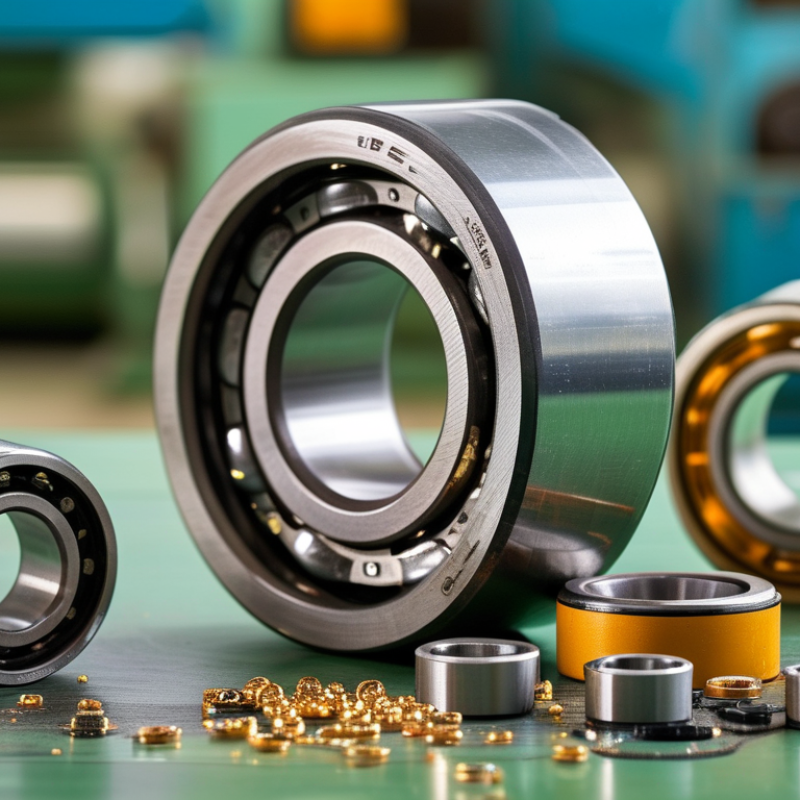
The Role of Bearing Needles in Reducing Friction in Machinery
Bearing needles play a significant role in industrial applications. Their primary function is to reduce friction in machinery, which is crucial for optimal performance. By minimizing contact between moving parts, bearing needles allow for smoother operation. This reduction in friction leads to increased efficiency and extended lifespan of machinery.
Consider a conveyor system in a manufacturing plant. If bearing needles are not used, the friction generated can cause overheating. This can compromise the equipment's reliability. However, the incorporation of bearing needles ensures that components move freely. Each needle bears a part of the load, distributing weight evenly. Such details in design enhance functionality and prevent wear.
Notably, the precision of bearing needle placement affects performance. If these needles are misaligned, friction can increase rather than decrease. This highlights the importance of quality control in production. The manufacturing process must ensure that each needle is crafted correctly. Even small defects can lead to significant issues over time. Awareness of these challenges can lead to improvements in machinery design and maintenance practices.
Why are Bearing Needles Essential for Industrial Applications?
| Application Area |
Type of Machinery |
Bearing Needle Count |
Friction Reduction (%) |
Lubrication Type |
| Automotive |
Engines |
50 |
30 |
Synthetic Oil |
| Manufacturing |
Conveyor Systems |
120 |
25 |
Grease |
| Aerospace |
Jet Engines |
75 |
35 |
High-Temperature Lubricants |
| Industrial Robotics |
Robotic Arms |
200 |
40 |
Oil-Based Lubricants |
| Textile |
Spinning Machines |
30 |
20 |
Water-Based Lubricants |
Types of Bearing Needles Used in Industrial Applications
Bearing needles play a crucial role in various industrial applications. These tiny precision components are essential for smooth and efficient mechanical motion. Their primary function is to reduce friction between moving parts, which enhances machinery performance. However, not all bearing needles are the same. Different types exist to meet specific industrial needs.
Needle bearings, the most common type, consist of slender cylindrical rollers. They are particularly useful in applications where space is limited. Their design allows for a larger contact area than traditional bearings, allowing for greater load capacity. Another type is the caged needle bearing, which includes a cage to keep the needles aligned. This arrangement prevents needle wear and enhances stability.
However, selecting the right type of needle bearing can be challenging. Factors such as load requirements, speed, and environmental conditions must be considered. It's also important to evaluate the compatibility with existing machinery. This can sometimes lead to unforeseen alignment issues. Overall, understanding the different types of bearing needles and their applications is essential for achieving optimal performance in industrial settings.
Advantages of Using Bearing Needles Over Other Bearing Types
Bearing needles play a crucial role in various industrial applications. They are essential for ensuring smooth and efficient operation in machinery. One major advantage of using bearing needles over other bearing types is their compact size. This allows for easy installation and reduces the overall weight of the assembly. A lighter assembly can improve energy efficiency in many systems.
Another significant benefit is their high load capacity. Bearing needles can support heavy loads while providing minimal friction. This leads to less wear and tear on parts and extends the lifespan of machines. In high-performance applications, this reliability is vital. However, some users may overlook the importance of proper lubrication. Neglecting this can result in premature failure, potentially leading to costly repairs.
Additionally, bearing needles offer enhanced precision in movement. They can significantly reduce operational noise and vibrations, which is essential for delicate machinery. However, achieving the required level of precision depends on correct installation and alignment. Misalignment can cause uneven wear, making it crucial for operators to regularly inspect and maintain these components.
Impact of Bearing Needles on Equipment Longevity and Maintenance
Bearing needles are crucial components in many industrial applications. They help reduce friction between moving parts, ensuring smoother operations. This friction reduction leads to less wear and tear on equipment. When bearings operate efficiently, the overall performance of machinery improves. However, choosing the wrong type of bearing needle can lead to issues. Incorrect specifications may cause premature failure or increased maintenance needs.
The longevity of industrial equipment is directly influenced by the quality of bearing needles. High-quality needles help maintain consistent alignment and reduce vibrations. This results in less strain on other components. But even the best bearings need regular inspection. Over time, contaminants can accumulate, causing damage. Operators often overlook this, leading to costly downtime. Regular maintenance is essential to identify wear early.
In conclusion, while bearing needles play an important role in equipment lifespan, they are not invincible. An understanding of their importance is key to effective maintenance. Ensuring the right type is used and monitoring their condition can significantly extend machinery life. Remember, neglecting even minor components can lead to larger problems in the long run.
Key Industries Benefiting from Bearing Needle Technology
Bearing needles play a vital role in various industrial applications. These small but crucial components are integral to the functionality of machinery across numerous sectors. Industries such as automotive, aerospace, and heavy equipment significantly benefit from their design. In 2022, the global market for bearing technology reached approximately 30 billion dollars, indicating a robust demand.
In the automotive industry, bearing needles enhance the performance of engines and transmissions. Studies show that an efficient bearing can reduce friction by up to 50%. This reduction not only improves fuel efficiency but also lowers emissions, aligning with global sustainability goals. The aerospace sector relies on these components for precision in aircraft engines. It’s reported that using high-quality bearing needles can lead to a 20% increase in lifespan for critical parts.
Challenges remain in ensuring consistent quality across different manufacturing processes. Variations in material and design can lead to failures. A 2021 industry report highlighted that nearly 10% of bearing-related mechanical failures stemmed from substandard component quality. Ongoing research is essential to advance the technology and address these issues effectively. Staying ahead in bearing needle innovation can mean the difference between success and operational hurdles in these demanding industries.