How to Choose the Right Transaxle Bearings for Your Needs?
Choosing the right transaxle bearings is crucial for optimal vehicle performance. The right selection ensures smoother operation and extends the lifespan of your vehicle’s drivetrain. Transaxle bearings connect various components, influencing efficiency and durability.
When evaluating transaxle bearings, consider load capacity and compatibility with your vehicle's specifications. Misunderstanding these factors may lead to premature failure. Different applications demand specific bearings, as not all designs suit every situation.
Researching brands and consulting trusted resources helps in making informed decisions. Look for expert reviews and user experiences. Quality transaxle bearings can greatly impact overall vehicle performance. Don’t rush this choice; it requires careful thought and consideration.
Understanding the Function of Transaxle Bearings in Vehicles
Transaxle bearings play a crucial role in vehicle performance and efficiency. They facilitate motion between the transmission and drive axle, allowing for smooth operation. According to a report by the Society of Automotive Engineers (SAE), properly functioning transaxle bearings can enhance fuel efficiency by as much as 5%. This indicates their significant impact on overall vehicle dynamics.
Regular maintenance and timely replacement of these bearings can prevent costly breakdowns. Neglecting them can lead to serious issues, including increased wear on gears and potential transmission failure. Data from industry studies shows that 60% of transaxle problems stem from bearing wear. This highlights the importance of understanding their function and choosing the right type.
Choosing the right transaxle bearings is often complicated. Factors such as load capacity, material durability, and lubrication type must be considered. The bearing's design must align with the vehicle's specific requirements. Many enthusiasts struggle with this selection process due to a lack of information. Making an informed choice is essential for ensuring long-term performance and reliability.
Types of Transaxle Bearings and Their Specific Applications
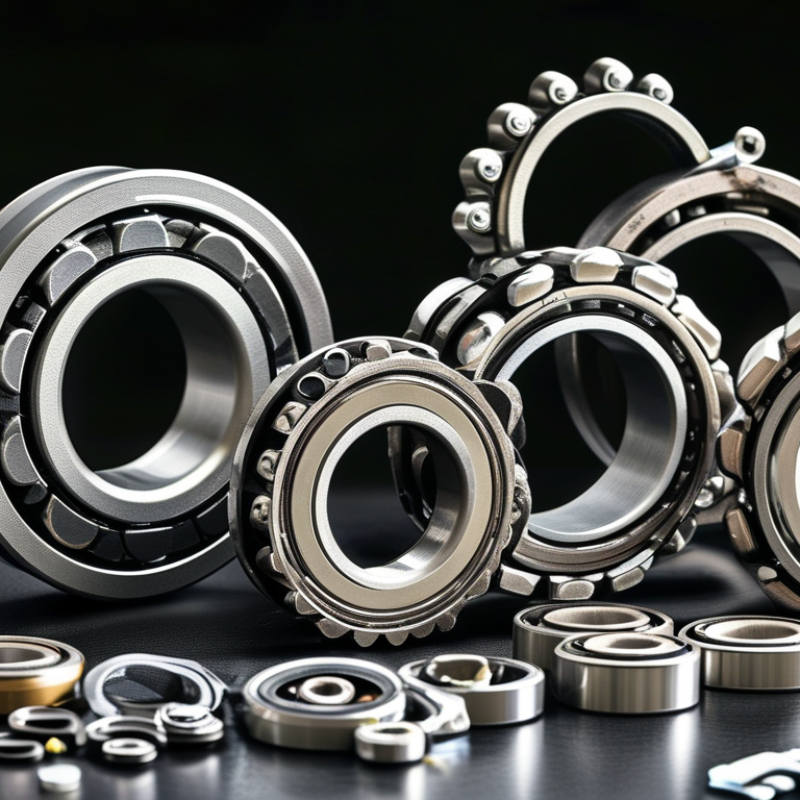
Transaxle bearings play a crucial role in various automotive and industrial applications. Understanding the different types can help you make an informed choice. For instance, ball bearings are commonly used due to their versatility. They provide low friction and high-speed capability. This makes them ideal for lightweight vehicles and electric motors.
On the other hand, tapered roller bearings are designed for heavy loads and higher torque applications. These bearings can efficiently handle axial and radial loads simultaneously. They are often found in larger vehicles and machinery. It's important to note that while tapered roller bearings offer excellent load distribution, they may require precise alignment during installation.
Lastly, plain bearings, or bushings, are used in applications where lubrication is essential. They are simpler in structure but may wear out faster without proper maintenance. Choosing the right type of transaxle bearing depends on the specific needs of your application. Reflect on the conditions and loads your vehicle or machinery will face. Proper selection can enhance performance and longevity.
How to Choose the Right Transaxle Bearings for Your Needs?
| Bearing Type |
Material |
Load Capacity |
Common Applications |
| Ball Bearing |
Steel |
Moderate |
Automotive, Industrial Machinery |
| Roller Bearing |
Chrome Steel |
High |
Heavy Equipment, Aerospace |
| Spherical Bearing |
Bronze |
Variable |
Agricultural Machines, Railway |
| Needle Bearing |
Steel |
Low to Moderate |
Small Engines, Transmissions |
| Tapered Roller Bearing |
Alloy Steel |
High |
Automotive, Mining Equipment |
Key Factors to Consider When Selecting Transaxle Bearings
Choosing the right transaxle bearings is vital for vehicle performance. The selection depends on various factors. Understanding your specific application is essential. Consider the type of vehicle and its weight. Different vehicles require different load capacities.
Material plays a significant role as well. Steel and ceramic bearings each offer unique benefits. Steel provides durability, while ceramics can reduce friction. Look into the operating conditions. High temperatures or harsh environments will affect longevity.
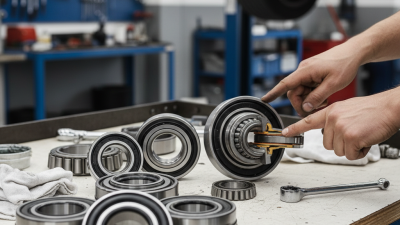
Another key factor is installation. Proper fitting can greatly influence functionality. Misaligned bearings lead to failure. Always check manufacturer specifications for proper dimensions. Test your choices to find the best fit for your vehicle’s needs. This process may take time, but it is worth the effort.
Material Comparison: Choosing the Best Bearings for Durability
When selecting transaxle bearings, material choice is vital for durability. Various materials impact performance and lifespan. Steel bearings are popular due to their strength, but they may corrode over time. Ceramic bearings resist wear and tear better, providing longer service life. According to industry reports, ceramic bearings can last up to 40% longer than steel ones in harsh environments.
Tip: Always consider the operating conditions. High temperatures and exposure to moisture can affect the performance of your bearings. Choosing the right material can prevent premature failure and reduce maintenance costs.
Plastic bearings are another option. They are lightweight and resist chemicals well, making them suitable for specific applications. However, they may lack the load-bearing capacity of steel or ceramic. A comprehensive analysis of your application environment will help in selecting the best bearing type. Remember, no single material is perfect; assessing trade-offs is essential.
Maintenance Tips for Prolonging the Life of Transaxle Bearings
Maintaining transaxle bearings is essential for proper vehicle functionality. Regular checks can prevent larger mechanical issues. Inspect bearings for signs of wear, such as unusual noises or vibrations. These can indicate that replacement is necessary.
Lubrication plays a critical role in bearing life. Always use the recommended type of lubricant. Insufficient lubrication can lead to friction, causing wear or even failure. Keep an eye on the lubricant level and replace it periodically.
Temperature extremes can also damage bearings. Ensure proper insulation is in place, especially in high-performance vehicles. During hot days, excessive heat can compromise bearing integrity. Checking the seals for damage can help maintain performance. Remember, some wear is inevitable, but proactive measures extend the life of your transaxle bearings.
Transaxle Bearings Performance Comparison
This chart compares the load capacity of different transaxle bearing types. Choosing the right bearing based on load capacity is crucial for maintaining longevity and performance in your applications.