2026 Best Ball Bearing Cost for Global Buyers?
As global demand for machinery and vehicles rises, understanding "Ball Bearing Cost" is critical for buyers. Industry expert Dr. Henry Miller states, "The price of ball bearings fluctuates based on material and demand." This insight emphasizes the need for strategic sourcing.
In 2026, various factors will influence ball bearing costs. Material prices, transportation, and manufacturing processes all play significant roles. Buyers must consider these dynamics when planning purchases. Factors like supply chain disruptions can lead to unexpected price hikes.
Investing in high-quality bearings may incur higher initial costs but can result in savings over time. Cheaper options may seem attractive but often compromise performance. Understanding the right balance between cost and quality will be essential for success in the industry.
Overview of Ball Bearings and Their Applications
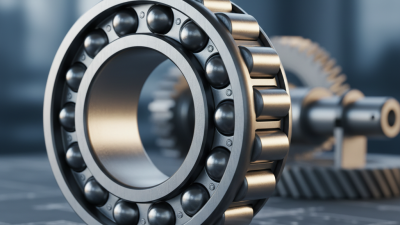
Ball bearings are essential components in machinery and various applications. They reduce friction between moving parts, ensuring smooth operation. These bearings come in different sizes and types, tailored for specific uses. From electric vehicles to household appliances, their role is vital.
Manufacturers rely heavily on ball bearings for efficiency. For instance, in the automotive industry, they enhance performance and durability. Yet, selecting the right type can be challenging. Decisions often involve balancing cost and quality. In some cases, buyers may compromise on essential features. This can lead to increased wear and tear over time.
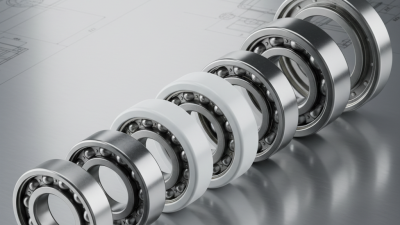
Understanding materials and design is crucial for optimizing performance. Steel and ceramic are popular choices, each offering unique advantages. Steel bearings are durable, while ceramic options provide lower friction. The choice ultimately depends on the intended application. Knowledge of these factors can guide buyers to make informed decisions.
2026 Best Ball Bearing Cost for Global Buyers
| Bearing Type |
Material |
Load Capacity (kg) |
Cost per Unit (USD) |
Application |
| Deep Groove Ball Bearing |
Steel |
500 |
$5.00 |
Electric Motors |
| Angular Contact Ball Bearing |
Ceramic |
300 |
$20.00 |
Machine Tools |
| Self-Aligning Ball Bearing |
Stainless Steel |
400 |
$15.00 |
Agricultural Equipment |
| Thrust Ball Bearing |
Bronze |
600 |
$10.00 |
Screw Jacks |
| Ball Thrust Bearing |
Steel |
250 |
$7.50 |
Printing Presses |
Factors Influencing the Cost of Ball Bearings
The cost of ball bearings is influenced by various factors, including material, manufacturing processes, and supply chain dynamics. High-quality steel or ceramic materials can significantly raise production costs. According to a recent market report, steel-based bearings tend to vary from $0.10 to $2.50 per piece, depending on specifications. Ceramic bearings, while offering superior performance, can range from $5 to $50, highlighting the impact of material choices on pricing.
Another key factor is manufacturing technology. Advanced processes such as precision machining and surface treatments enhance performance and longevity but increase costs. For instance, automated production systems can cut costs over time but require high initial investments. This complex interplay often results in price fluctuations based on technology adoption.
Supply chain challenges also play a crucial role. Disruptions can lead to temporary increases in bearing costs. A report from industry analysts indicated that logistics issues have caused delays and higher expenses. Buyers should be aware of these factors when evaluating potential purchases.
Cost Comparison: Regional Variations in Ball Bearing Prices
The cost of ball bearings varies significantly by region. Factors like manufacturing expenses, shipping fees, and material costs contribute to these differences. In North America, prices can be higher due to labor costs and stringent regulations. Conversely, regions in Asia may offer lower prices, benefitting from lower production costs.
When comparing prices, it's essential to account for quality. Sometimes, cheaper options might sacrifice durability. This can lead to increased maintenance costs down the line. Understanding the full cost of ownership is crucial in making informed decisions.
Tips: Always seek multiple quotes from suppliers. Check customer reviews to gauge reliability. Investigate the warranty offered, as this can reflect product quality. Investing time in research now can save money in the future.
Market Trends and Future Projections for Ball Bearing Costs
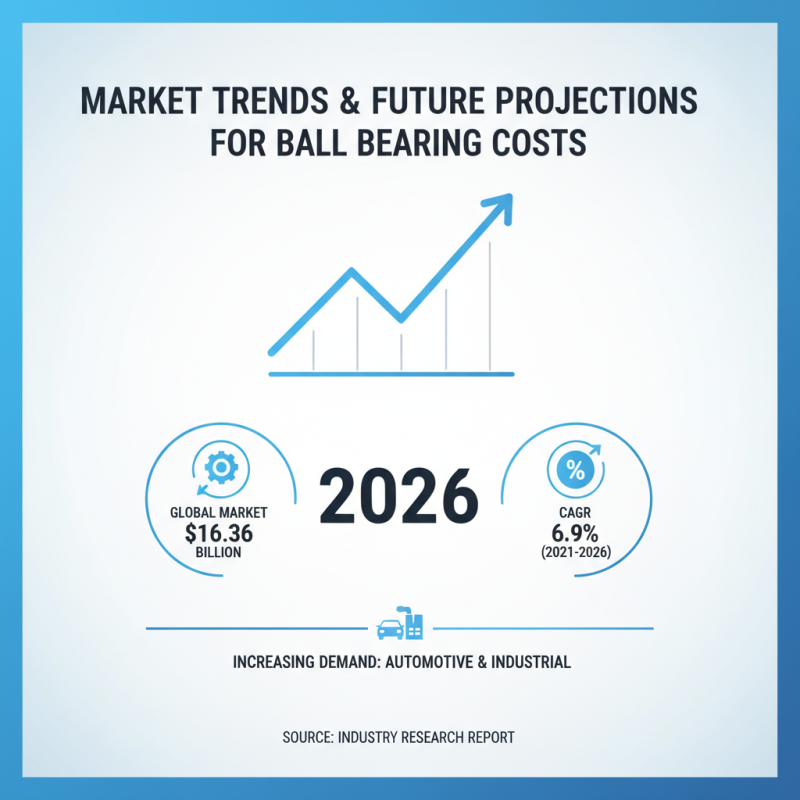
The ball bearing market is evolving rapidly. By 2026, the cost of ball bearings is expected to fluctuate due to various factors. According to a report by Industry Research, the global ball bearing market is projected to reach $16.36 billion by 2026, growing at a CAGR of 6.9% from 2021. This growth signals increasing demand across sectors, particularly in automotive and industrial applications.
Several factors influence the price trends of ball bearings. Raw material costs are critical, as steel prices have seen significant volatility. The World Bank reports that steel prices rose by about 25% in the last two years alone. This increase affects manufacturers directly, causing them to adjust their pricing strategies. The introduction of advanced manufacturing techniques may also impact costs. These methods improve efficiency but often require substantial initial investments.
While the market shows promise, challenges remain. Supply chain disruptions and geopolitical tensions have led to uncertainties. For instance, the pandemic revealed vulnerabilities in logistic networks, raising shipping costs. Companies need to adapt quickly. Understanding these trends is essential for making informed purchasing decisions. As the year progresses, keeping an eye on market shifts will be crucial for buyers worldwide.
Best Practices for Sourcing Ball Bearings Globally
Sourcing ball bearings globally requires a strategic approach. Market insights show that the global ball bearing market is expected to grow at a CAGR of 5.3% from 2021 to 2026. Buyers must navigate various factors such as quality, supplier reliability, and freight costs. To ensure success, it's essential to establish clear criteria for suppliers based on industry standards.
Communication is vital in the sourcing process. Engaging with potential suppliers can reveal valuable insights into their production capabilities. Many manufacturers offer customizable solutions, but it's crucial to assess their certifications and past performance. Reports indicate that suppliers with ISO 9001 certification often yield higher satisfaction rates. Remember to ask for samples before making bulk purchases.
Tips:
1. Always perform due diligence. Check reviews and ratings of suppliers.
2. Consider local regulations when sourcing to avoid unexpected costs.
3. Maintain a list of backup suppliers to mitigate risks during procurement.
It's important to be aware of the potential challenges in logistics. Shipping delays or customs issues can impact delivery schedules. Tracking trends and staying updated with best practices can refine your sourcing strategy.
2026 Best Ball Bearing Cost Analysis
This chart displays the average costs of various types of ball bearings in 2026. The data reveals significant price differences among material types, which can influence sourcing decisions for global buyers.