How to Choose the Right Front Axle Bearing for Your Vehicle?
Choosing the right front axle bearing is critical for vehicle performance. Research indicates that improper bearing selection can lead to increased wear and tear, costing vehicle owners significantly over time. According to a study by Automotive Engineering Expert Dr. John Stevens, "Selecting the correct front axle bearing can prevent premature failure and ensure optimal vehicle stability."
The front axle bearing is vital for smooth wheel rotation and overall vehicle efficiency. It allows the wheels to spin freely, reducing friction and improving fuel economy. With market reports highlighting a 15% increase in front axle bearing replacements over the past five years, it’s clear that awareness is growing. However, many vehicle owners still overlook this crucial component.
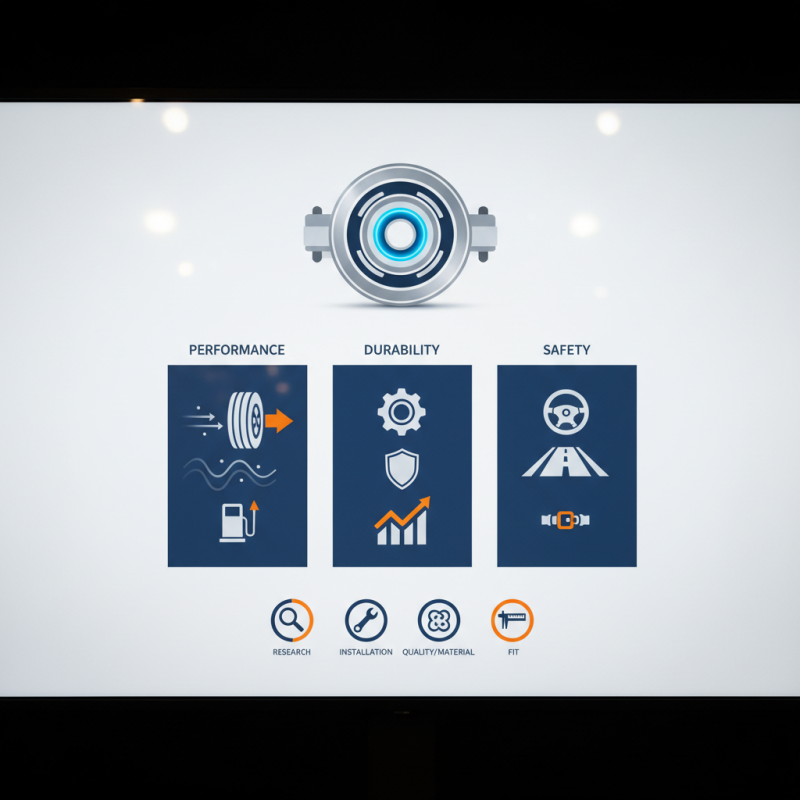
There are numerous options available, and not all bearings are created equal. Quality, material, and fit are essential factors to consider. Some users have reported experiencing issues due to poor-quality bearings. This can lead to costly repairs. Investing time in selecting the right front axle bearing is therefore essential for both safety and performance.
Understanding Front Axle Bearings and Their Importance
Front axle bearings play a crucial role in vehicle performance and safety. Their primary function is to support the front wheels and ensure smooth rotation. A well-functioning bearing contributes to better handling and stability. According to the Automobile Engineers Society, a vehicle's handling can be affected by up to 30% due to bearing conditions.
Understanding the types of front axle bearings is vital. There are mainly two types: tapered roller bearings and ball bearings. Tapered roller bearings can handle both radial and axial loads. They are ideal for heavy-duty applications. Ball bearings, while easier to install, are less durable under heavy loads. Reports indicate that improper selection or maintenance of these bearings can lead to mechanical failures and costly repairs. Nearly 25% of automotive issues stem from worn or incorrect bearings, based on recent industry analyses.
Choosing the right front axle bearing requires careful consideration. Factors include vehicle weight, load capacity, and intended use. Identifying these aspects ensures optimal performance. Additionally, regular maintenance checks are essential. These checks can reveal early signs of wear. Ignoring such signs may lead to serious safety issues. An average vehicle may require bearing replacement every 100,000 miles, but this depends on various conditions. Each application is unique, and assumptions can lead to significant problems.
Identifying the Right Size and Specifications for Your Vehicle
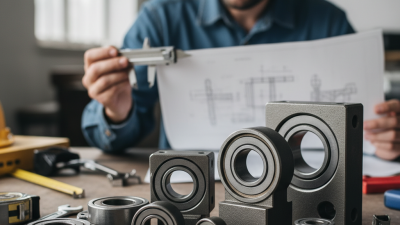
When selecting the right front axle bearing for your vehicle, understanding size and specifications is crucial. The bearing must fit perfectly to ensure optimal performance and safety. According to industry reports, a mismatch can lead to increased wear, higher rolling resistance, and potential axle failure. Measurements like inner diameter, outer diameter, and width are essential for accurate identification of the right bearing.
Many vehicle manufacturers provide detailed specifications in service manuals. These resources typically outline the exact dimensions and load ratings required for specific models. However, discrepancies occasionally occur due to aftermarket modifications, leading to potential confusion. It's vital to cross-reference dimensions with reliable sources. If unsure, consulting a professional mechanic can prevent costly mistakes.
Moreover, don't overlook the material composition of the bearing. Bearings made from high-quality steel tend to last longer under stress. Some studies indicate that over 30% of bearing failures stem from poor material choices. Always prioritize durability and quality when making your selection. Avoiding shortcuts in this process can significantly enhance your vehicle's performance and longevity.
How to Choose the Right Front Axle Bearing for Your Vehicle?
Understanding the right specifications for your front axle bearings is crucial for vehicle performance and safety. The chart above illustrates key dimensions and characteristics to consider when selecting a bearing, including size, weight, load capacity, and durability.
Factors to Consider When Selecting Front Axle Bearings
When selecting front axle bearings, several factors come into play. The size and load capacity of the bearing should match your vehicle's specifications. Consider your driving habits; if you frequently drive on rough terrain, choose a bearing designed for high durability. Material quality is another important aspect. Bearings made from high-grade steel generally offer better resistance to wear and tear.
Pay attention to the bearing's sealing system. A good seal can keep dirt and moisture out, prolonging the bearing's lifespan. Also, ensure compatibility with your vehicle's make and model. Sometimes, aftermarket options may not fit correctly, leading to operational issues.
Don’t overlook the installation process. Improper installation can lead to premature failure. Assess your mechanical skills before proceeding. If you're uncertain, seeking professional help might be the best route. Remember, even the best components can fail if not installed correctly. Reflect on your vehicle’s unique needs, and choose wisely to ensure optimal performance.
Comparing Different Materials and Designs of Axle Bearings
When choosing the right front axle bearing, material and design play crucial roles. Common materials for axle bearings include steel, ceramic, and plastic. Steel bearings are durable and cost-effective. However, they can rust when exposed to moisture. Ceramic bearings offer lightweight performance but can be more brittle. Plastic bearings are resistant to corrosion but may wear down faster. Each material presents trade-offs regarding longevity and performance.
Design also influences axle bearing performance. Sealed bearings provide protection from dirt and debris. They often require less maintenance but can trap heat. Open designs allow for better airflow, reducing overheating. However, they are more vulnerable to contaminants. Vehicle type and driving conditions affect which design is best suited. For example, off-road vehicles may benefit from sealed bearings to withstand harsh environments.
Selecting the right axle bearing involves balancing these factors. It is essential to consider your unique driving needs. Don’t overlook how axle bearings impact overall vehicle performance. An informed choice in material and design can lead to both safety and efficiency on the road. Reflect on the long-term effects of each option. Consider consulting with a professional for tailored advice.
How to Choose the Right Front Axle Bearing for Your Vehicle?
| Material |
Durability |
Weight |
Cost |
Noise Level |
Common Applications |
| Steel |
High |
Medium |
Low |
Moderate |
Sedans, SUVs |
| Aluminum |
Medium |
Lightweight |
Medium |
Low |
Racing cars |
| Plastic Composites |
Low |
Very Lightweight |
Very Low |
High |
Electric vehicles |
| Ceramic |
Very High |
Medium |
High |
Very Low |
Luxury vehicles |
Tips for Installation and Maintenance of Front Axle Bearings
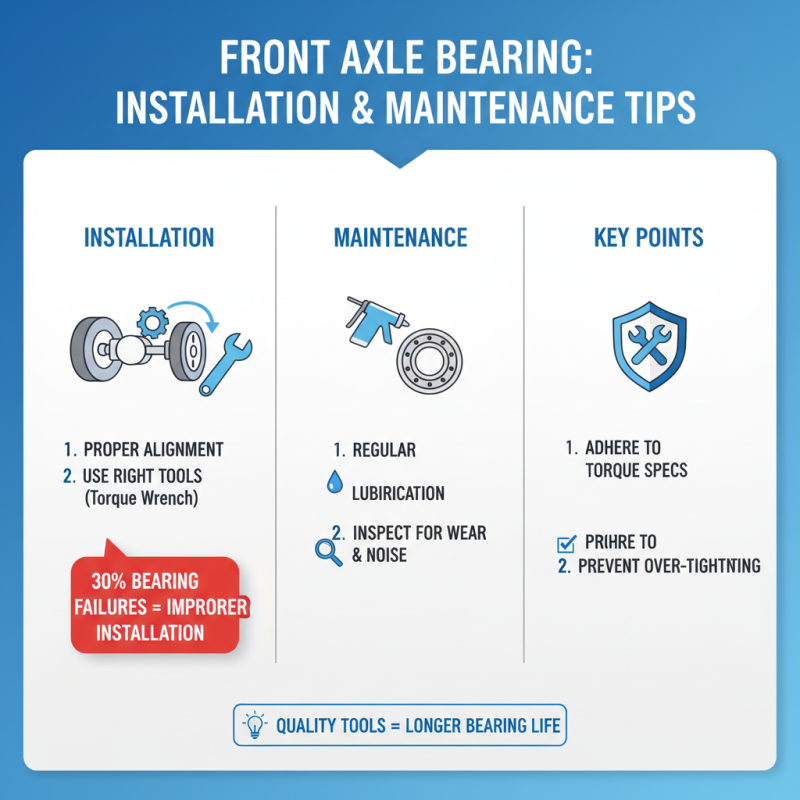
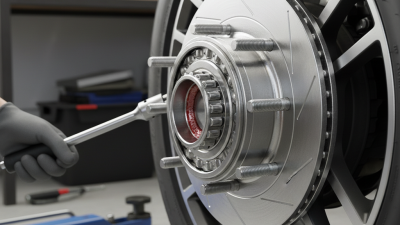
When installing front axle bearings, meticulous attention to detail is key. Proper alignment and torque specifications are crucial. Studies show that nearly 30% of bearing failures stem from improper installation. This statistic highlights the importance of adhering to recommended torque settings. Using the right tools is equally important. A quality torque wrench can prevent over-tightening, which may lead to premature wear.
Maintenance of front axle bearings is often overlooked but essential for longevity. Regular inspections can help identify early signs of wear, such as unusual noises or vibrations during operation. Keeping bearings clean and properly lubricated can extend their lifespan significantly. According to industry reports, well-maintained bearings can last twice as long as those that are neglected. Implementing a scheduled maintenance routine can provide both safety and performance benefits.
Moreover, consider the environment in which your vehicle operates. In rough terrains or extreme temperatures, bearing performance can vary. Adjust your maintenance practices accordingly. Addressing small issues early can save substantial repair costs later. Stay vigilant and proactive to enhance the durability of your front axle bearings.