Top China Rotor Bearings Suppliers for Global Buyers?
Rotor bearings play a crucial role in various industries, from aerospace to manufacturing. These components enable smooth rotation, ensuring the efficiency of machinery. Dr. Emily Zhang, an expert in the rotor bearings field, once stated, “The quality of rotor bearings can directly impact operational performance.” This statement underscores the importance of sourcing reliable suppliers.
When selecting rotor bearings suppliers, global buyers need to consider quality and service. The market is filled with options, yet not all suppliers offer equal reliability. Some brands stand out for their innovative designs and durability. However, it’s essential to verify their claims through trusted reviews and expert opinions.
Moreover, potential clients must be aware of the challenges in this industry. Variations in manufacturing standards can lead to inconsistent product performance. Thus, building relationships with experienced suppliers is vital. A good supplier not only delivers quality rotor bearings but also ensures ongoing support and guidance for future developments.
Overview of Rotor Bearings in China
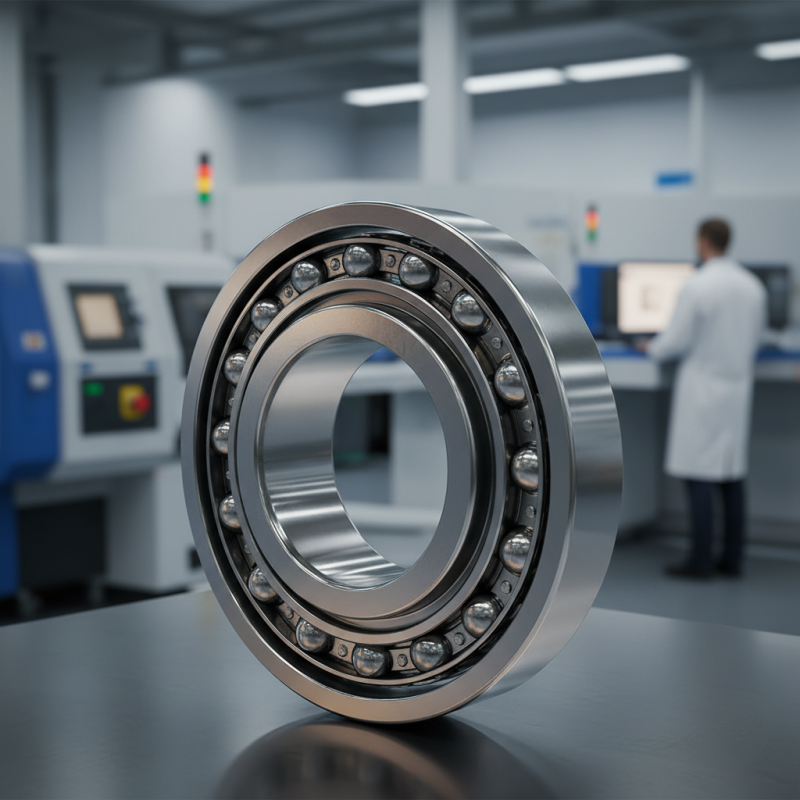
Rotor bearings play a crucial role in various industrial applications, especially in machinery and aerospace. In recent years, China has emerged as a significant player in the rotor bearing market, supplying to a diverse range of sectors. These bearings are designed to support rotational movement and endure high speeds and heavy loads. This results in efficient operation and extended machinery life.
When selecting rotor bearings, buyers should prioritize quality and reliability. Insufficient research can lead to poor performance and costly repairs. Here are some tips: Always check certifications to ensure compliance with international standards. Interact with suppliers and gather insights about their production processes. This can reveal much about their quality control measures.
China's rotor bearing suppliers often leverage advanced technologies, such as precision machining and innovative materials. However, not all suppliers meet the same standards. Therefore, engaging in thorough discussions about specifications is vital. Understanding the specific needs of your project will ensure you choose the right products for your requirements. Always keep track of industry trends, as they can directly affect the availability and innovation of rotor bearings.
Leading Rotor Bearings Manufacturers in China
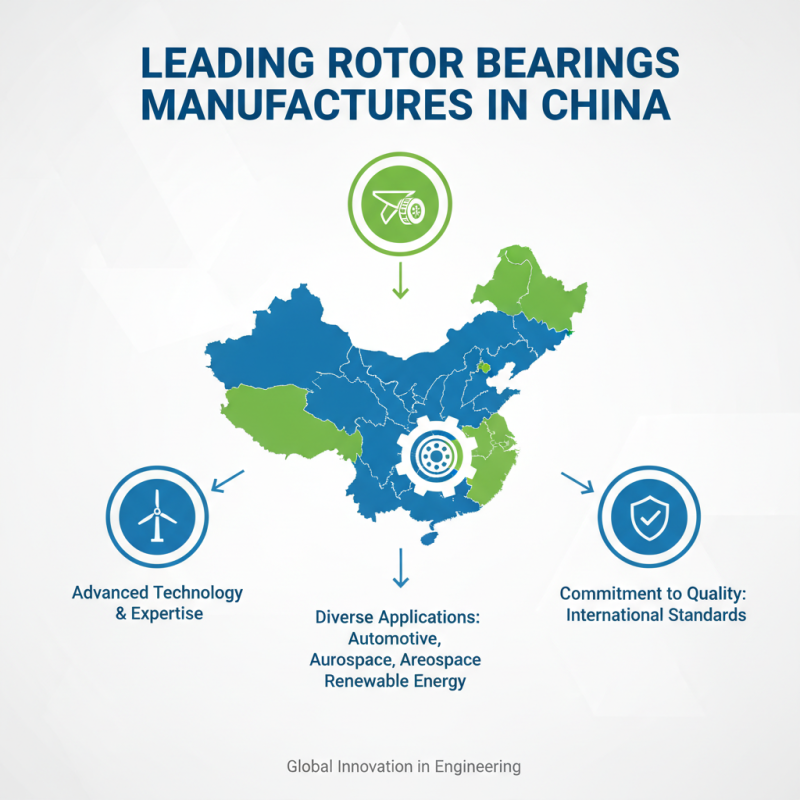
China has established itself as a significant player in the rotor bearings market. The country hosts numerous manufacturers with advanced technology and expertise. These manufacturers produce a variety of rotor bearings that cater to different industries, such as automotive, aerospace, and renewable energy. Their commitment to quality is evident in their adherence to international standards.
Leading rotor bearings manufacturers invest heavily in research and development. This focus drives innovation and enhances performance. Some suppliers specialize in specific materials, like ceramic or polymer bearings, offering unique advantages. However, not all manufacturers maintain consistent quality. Some may rush production, leading to reliability issues. It’s crucial for buyers to assess the reputation and reviews of potential suppliers.
Manufacturers often face challenges in scaling production while ensuring quality. Moreover, the competitive market may push some to cut corners. Buyers should remain vigilant. Inspecting samples or seeking third-party verification can mitigate risks. This diligence can help in finding reliable suppliers that meet diverse needs efficiently.
Key Qualities to Look for in Rotor Bearings Suppliers
When searching for rotor bearing suppliers in China, several key qualities are crucial. Understanding the materials used in manufacturing is essential. Suppliers should use high-quality steel and advanced composites. These materials ensure durability and performance under various conditions.
A significant aspect to consider is the supplier’s technical expertise. Look for companies with a proven track record in designing and producing rotor bearings. According to industry reports, nearly 35% of rotor failures stem from design flaws. This statistic underscores the importance of experienced suppliers who can navigate complex engineering challenges.
Tip: Don’t overlook customer feedback. Reviews provide insight into a supplier’s reliability and service quality. A supplier that consistently addresses customer concerns and product issues demonstrates accountability.
Additionally, certifications can enhance trust. Suppliers adhering to ISO standards are more likely to meet global quality benchmarks. However, scrutinize these claims. Some suppliers may present misleading information about compliance. Always ask for documentation and verify authenticity.
Tip: Regularly assess the supplier’s innovation capabilities. Companies that invest in R&D are better positioned to adapt to market changes. They often lead in product advancements and can provide superior solutions.
Comparison of China Rotor Bearings Suppliers for Global Markets
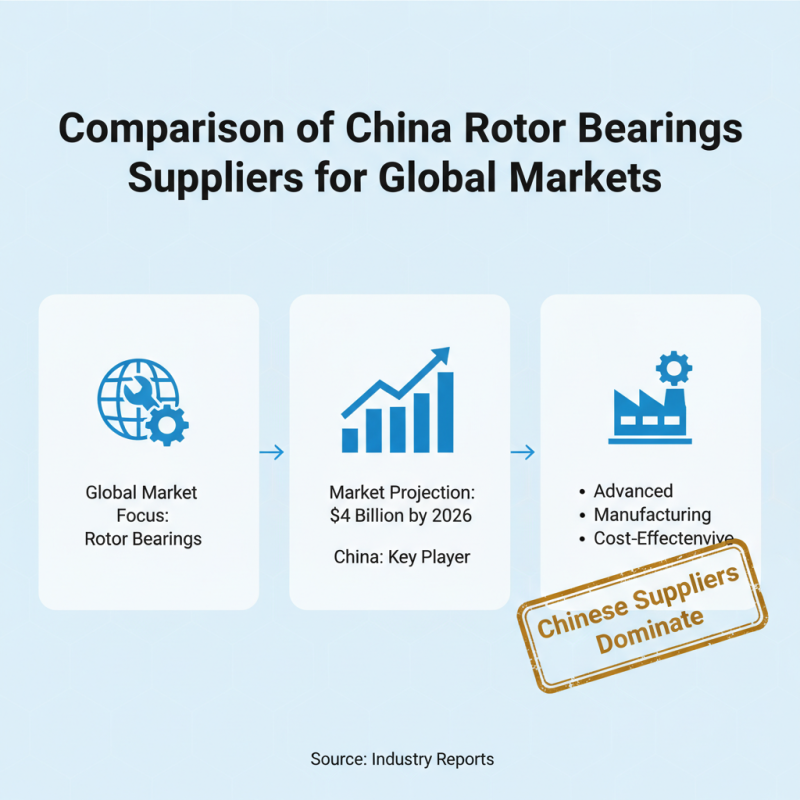
When considering rotor bearings for global markets, China emerges as a key player. According to industry reports, the rotor bearing market is projected to reach $4 billion by 2026. Chinese suppliers dominate this space due to their advanced manufacturing capabilities and cost-effectiveness.
However, not all suppliers are equal. Some manufacturers may lack compliance with international standards, which can impact product quality. For instance, studies have shown that around 30% of products from certain suppliers fall short in quality checks. This inconsistency raises questions about reliability. Importers must prioritize due diligence when sourcing from China.
**Tip:** Always request certifications and product samples before making bulk orders. This practice helps confirm the supplier's reliability.
Additionally, geographic location plays a significant role. Suppliers from coastal cities often provide quicker shipping times. Conversely, remote suppliers may lead to delays. It’s vital for buyers to assess logistics capabilities when choosing suppliers.
**Tip:** Build relationships with local agents to improve communication and efficiency. They can bridge cultural and logistical gaps effectively.
In summary, while Chinese rotor bearing suppliers offer numerous opportunities, careful selection ensures reliability and quality for global buyers.
Future Trends in China's Rotor Bearings Industry
China's rotor bearings industry is poised for significant growth in the coming years. The market is expected to reach approximately $5 billion by 2025, with a compound annual growth rate (CAGR) of 6.5%, according to recent industry reports. This expansion is largely driven by the increasing demand from sectors such as aerospace and renewable energy. Rotor bearings are essential components in wind turbines and aircraft, highlighting their importance in the transition to sustainable technologies.
However, there are challenges on the horizon. The competition among suppliers is intensifying. Quality control remains a critical issue for many manufacturers. Reports indicate that nearly 30% of products do not meet international standards, causing concerns over reliability. This underscores the need for continuous improvement in manufacturing processes. Innovative materials and advanced technologies are being explored to enhance performance metrics.
Sustainability is becoming a larger focus in the rotor bearings sector. Chinese manufacturers are now investing in eco-friendly practices. The emphasis on reducing carbon footprints is shaping future product designs. Yet, the shift may not be immediate, as initial costs can be prohibitive. Balancing innovation with affordability is a current dilemma facing the industry. Moving forward, stakeholders need to navigate these complexities to maintain competitiveness.