How to Choose the Right Alignment Bearing for Your Application?
Choosing the right alignment bearing is crucial for the efficiency of any machinery. John Smith, a seasoned expert in the bearing industry, once said, “The right alignment bearing can enhance performance and reduce downtime.” This highlights the importance of understanding your specific application needs.
In different applications, alignment bearings serve various functions. They affect load distribution, vibration, and overall reliability. Considering these factors ensures long-term success. Many companies overlook the subtle differences in bearing types. Such mistakes can lead to increased maintenance costs and operational inefficiencies.
Selecting the correct alignment bearing requires careful thought. Not all products suit every application. A thorough assessment of the working environment and load conditions is essential. This process may seem straightforward, but improper choices can have significant consequences. The stakes are high, and the outcomes can be profound.
Understanding Different Types of Alignment Bearings
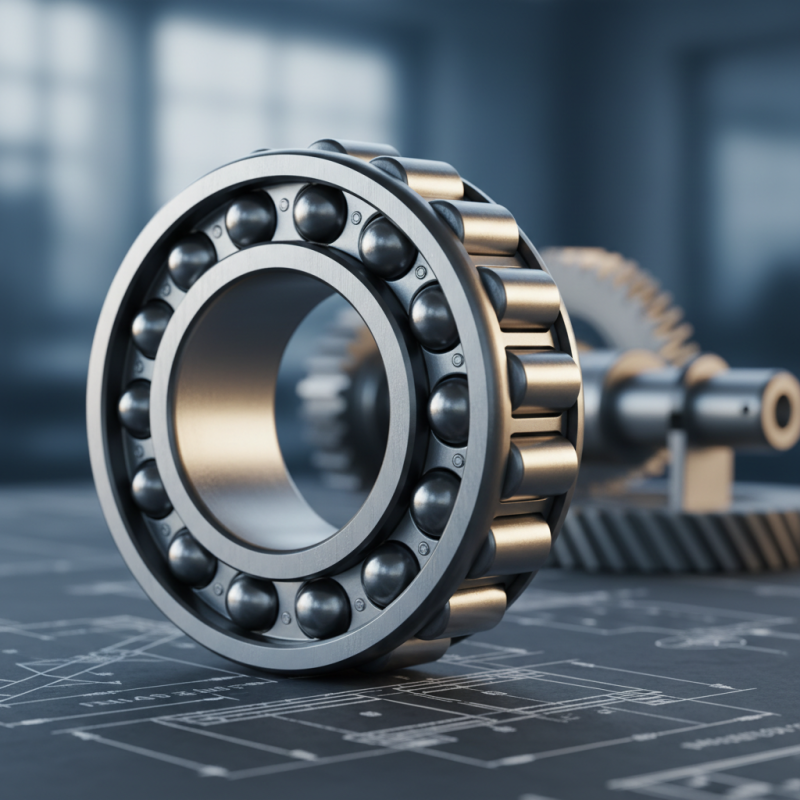
When it comes to alignment bearings, understanding their types is essential. There are several common types, including spherical and cylindrical.
Spherical bearings allow for a degree of misalignment, which can be useful in various applications. They are often used in machines where components may not perfectly align during operation.
Cylindrical bearings, on the other hand, provide a tighter fit. They are ideal for situations that require minimal misalignment. The choice between these types largely depends on the application and operating conditions. A misaligned bearing can lead to increased wear or even machine failure, which emphasizes the need for careful selection.
It's important to also consider load capacities and environmental factors. There are bearings designed for harsh conditions, while others suit clean, controlled environments. The wrong choice can lead to issues. Always assess your specific needs carefully. Reflecting on past failures can provide insight, helping to refine your decision-making process.
Key Factors to Consider for Your Application
Choosing the right alignment bearing is crucial for optimal performance. Several key factors should guide your decision-making process. In a 2022 industry report, it was found that improper bearing selection leads to a 30% increase in maintenance costs. Understanding your application’s specific requirements is essential.
Load capacity plays a vital role in bearing selection. Ensure that the bearing can handle the maximum load it will encounter. A bearing that is too weak may fail prematurely. Another factor is the operating environment. High temperatures or contamination can drastically affect bearing life. For instance, in dusty environments, sealed bearings may be necessary to prevent damage.
Bear in mind that bearing alignment is often overlooked. Misalignment can lead to a 50% reduction in bearing life. Precision in alignment is essential for achieving desired performance. Additionally, consider the speed of operation. High rotational speeds demand bearings that can minimize friction. However, not every bearing can perform under these conditions. Assessing your specific application thoroughly will yield better results and longer service life.
Assessing Load Capacity and Speed Requirements
When selecting the right alignment bearing, assessing load capacity and speed requirements is essential. Load capacity refers to the maximum weight the bearing can handle without failing. Consider the operational environment. High temperatures and contamination can reduce bearing performance.
Speed requirements also play a critical role. Bearings designed for high-speed applications often require specific materials and designs. It’s important to match these specifications to the requirements of your machinery. Too often, owners overlook the importance of these factors, leading to failures and unexpected downtime.
A common mistake is assuming that higher load capacity equates to better performance. While it’s vital to know your machinery's load, speed ratings must be considered too. Ignoring the dynamic conditions can result in poor alignment and reduced bearing life. Assess both aspects carefully to ensure your application runs smoothly.
Material Selection for Optimal Performance
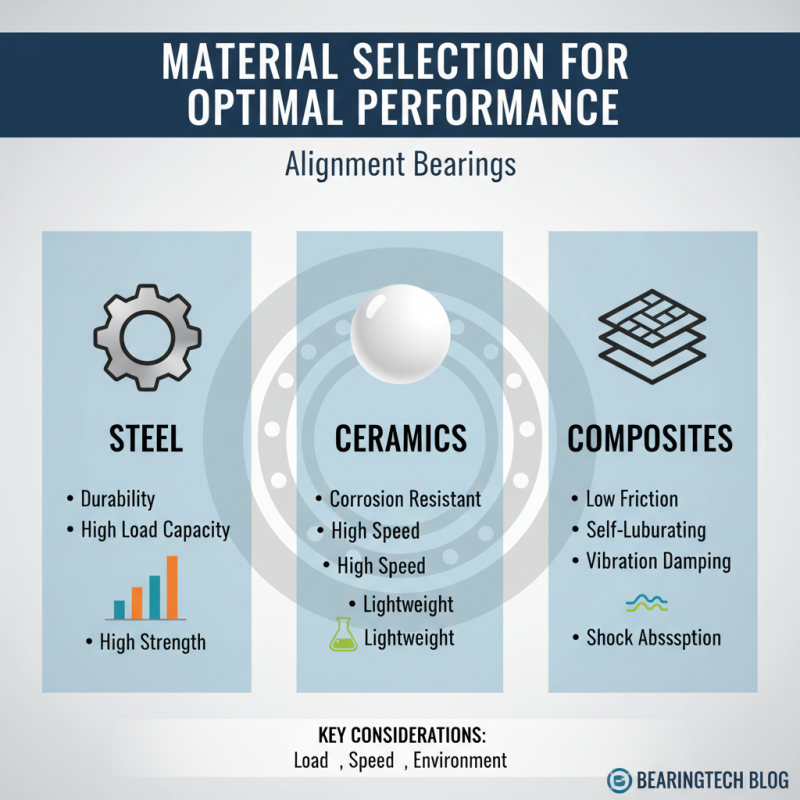
Choosing the right alignment bearing starts with material selection. The performance of bearings largely depends on the material used. Common choices include steel, ceramics, and composites. Each material has unique properties that affect durability and reliability.
Steel bearings are renowned for their strength. They withstand heavy loads and have high fatigue resistance. According to industry data, steel bearings can last up to 50% longer under optimal conditions. However, they may corrode in hostile environments, leading to premature failure. Regular maintenance is necessary to maximize their lifespan.
Ceramic bearings offer lightweight, corrosion-resistant alternatives. They excel in high-speed and low-friction applications. A report by the International Journal of Engineering reveals that ceramics can reduce energy consumption by 30%. However, they are brittle and can crack under sudden shocks. Balancing performance and potential failure is crucial when choosing materials. Considerations such as load capacity, environmental conditions, and maintenance requirements must shape your decision.
Installation and Maintenance Guidelines for Alignment Bearings
When it comes to installation and maintenance of alignment bearings, precision is crucial. Proper alignment reduces wear and tear on machinery. A study by the American Society of Mechanical Engineers found that misalignment can lead to failures costing up to $30% of maintenance budgets. Ensuring the correct installation minimizes these risks.
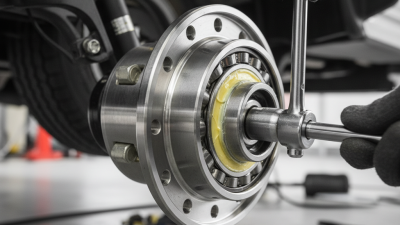
Accurate mounting requires controlling the environmental factors. Factors such as temperature and humidity can affect bearing performance. The International Organization for Standardization highlights that improper installation can increase the risk of premature failure. It's essential to follow detailed procedures for mounting and adjusting bearings, including the use of appropriate tools and torque specifications.
Routine maintenance is equally important. Regular inspections help identify early signs of wear. According to a report by the National Lubricating Grease Institute, 60% of bearing failures are due to inadequate lubrication. Keeping bearings clean and well-lubricated prolongs their lifespan. Monitoring operational conditions creates an opportunity to make timely adjustments. Small inconsistencies can lead to significant failures; therefore, consistent practices are key to ensuring optimal bearing performance.