China Top Gear Box Bearings for Enhanced Performance?
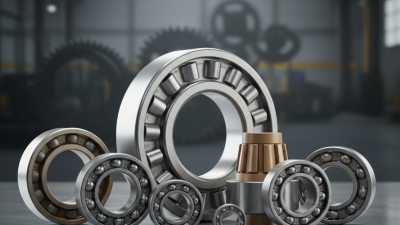
In the competitive realm of machinery, Gear Box Bearings play a crucial role in enhancing performance. These components ensure efficiency and durability in various applications. High-quality bearings are essential for smooth operation.
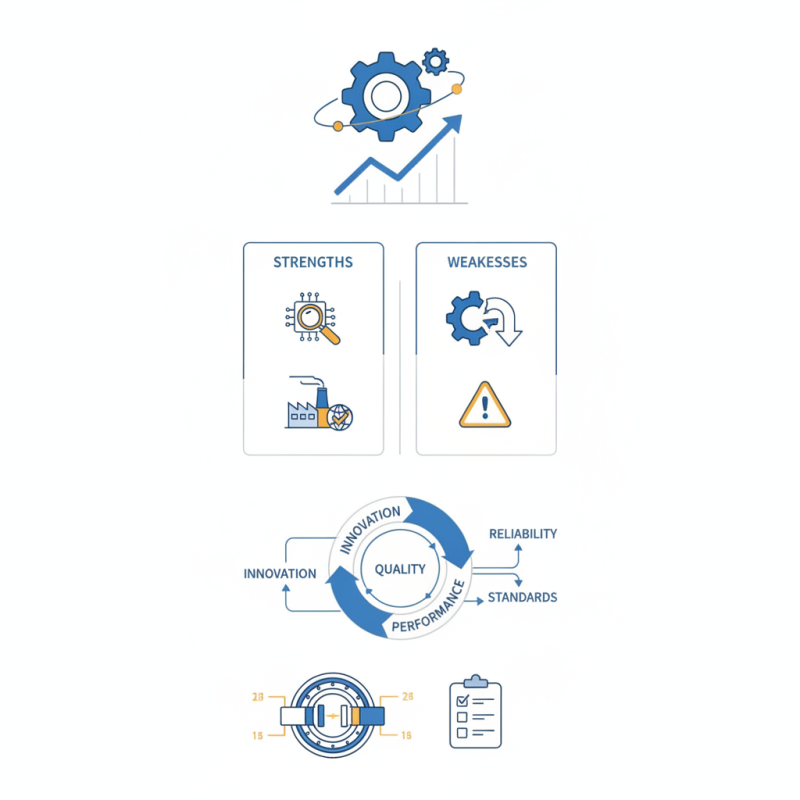
China has emerged as a significant player in the Gear Box Bearings market. Manufacturers in the region focus on innovation and quality. Yet, not all products meet strict international standards. Exploring this landscape reveals both advancements and shortcomings.
With the rising demand for reliable Gear Box Bearings, understanding specifications is vital. Users often overlook minor details that impact performance. This article delves into the strengths and weaknesses of top Chinese manufacturers.
China's Role in Global Gear Box Bearing Manufacturing
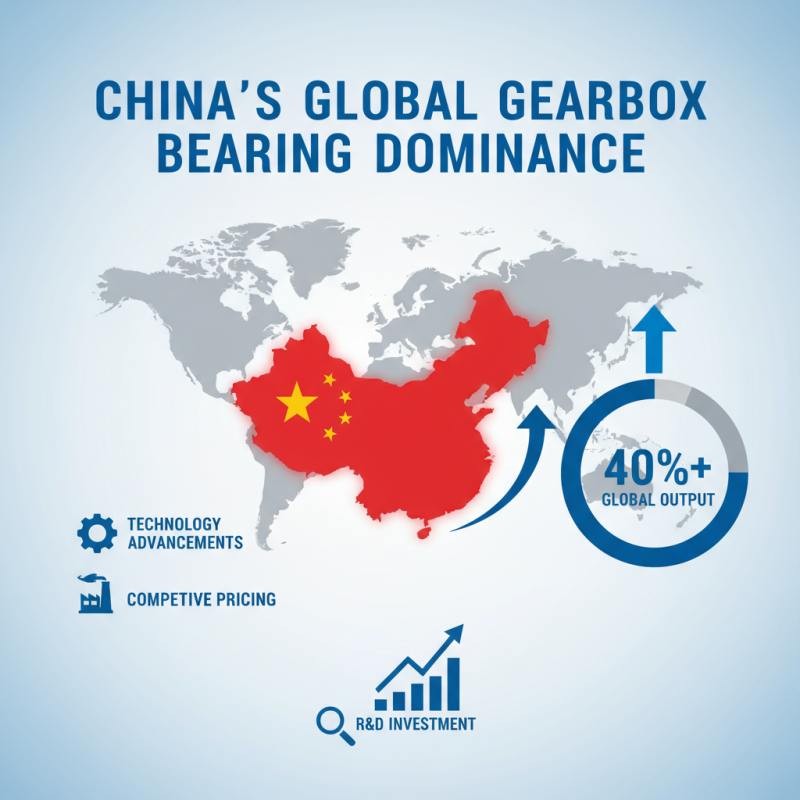
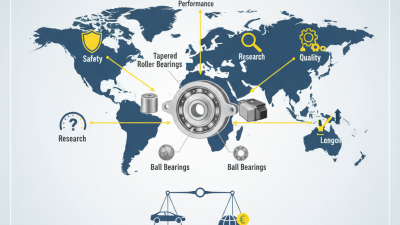
China has emerged as a key player in the global gear box bearing manufacturing sector. According to industry reports, China's production capacity for gear box bearings accounts for over 40% of the world's output. This dominance can be attributed to advancements in technology and competitive pricing. Chinese manufacturers are investing heavily in research and development, pushing the boundaries of performance and reliability.
However, the market faces challenges. Quality control remains a concern for some manufacturers. Reports indicate that up to 15% of gear box bearings may not meet international standards. This raises questions about overall reliability and performance in high-demand applications. Companies need to carefully evaluate their suppliers to mitigate risks associated with subpar products.
Given China's extensive supply chain, logistics play a significant role in the sector. Efficiency in transportation helps reduce costs and lead times. However, dependence on a single market can also be risky. Companies must consider diversifying their supply sources to maintain production resilience. Balancing cost and quality will be crucial in navigating this complex landscape.
Advancements in Bearing Technology for Enhanced Performance
The evolution of bearing technology significantly impacts performance in various industries. Recent data indicates that around 35% of machine failures are linked to bearing issues. This emphasizes the necessity for advancements in bearing design and materials. Improved bearing technology can reduce friction and wear, enhancing overall efficiency.
Recent studies highlight that ceramic bearings can reduce weight by up to 50%, allowing for better speed and responsiveness. Additionally, advanced materials, such as polymers, are being utilized to withstand higher temperatures and loads. The integration of smart technologies offers real-time monitoring, which can predict failures before they occur.
However, challenges remain. The manufacturing process for these advanced bearings can be costly and complex. Many manufacturers struggle with adapting to new technologies while maintaining reliability. Furthermore, the environmental impact of new materials and processes is still under scrutiny. This ongoing evolution requires careful thought and continuous improvement to meet diverse industry needs while balancing performance and sustainability.
China Top Gear Box Bearings Performance Enhancement
This chart illustrates the performance metrics of top gear box bearings developed in China. Enhanced load capacity, lower friction coefficients, improved temperature resistance, high durability, and greater efficiency are essential for optimal performance in various industrial applications.
Key Applications of Gear Box Bearings in Various Industries
Gear box bearings play a crucial role in various industries, enhancing mechanical performance and operational efficiency. These components are vital in automotive, aerospace, and manufacturing applications. In automotive systems, they ensure smooth power transfer between the engine and wheels. This reduces wear and tear, ultimately extending the vehicle's lifespan.
In manufacturing, gear box bearings facilitate the proper functioning of machinery. They support heavy loads while maintaining precision. Efficient gear systems are essential for productivity, and reliable bearings are at the core of that efficiency.
Tip: Regularly inspect gear box bearings for signs of wear. Early detection can prevent unexpected downtimes.
In the aerospace industry, gear box bearings are essential for flight safety. They must withstand extreme conditions, such as temperature fluctuations and pressure changes. Engineers must select the right materials and designs to meet these rigorous demands.
Tip: Consider the environment where the gear box will operate. The right specifications will enhance longevity and reliability.
Ultimately, while gear box bearings significantly improve performance, the choice and maintenance of these components cannot be overlooked. It requires careful thought and expertise to ensure optimal functionality across all applications.
Comparative Analysis of Chinese and Global Bearing Performance
The performance of bearings plays a crucial role in various industries. Chinese top gear box bearings have gained popularity. Many users report satisfactory functionality. However, these bearings sometimes fall short compared to global counterparts. This raises questions about quality assurance and manufacturing standards.
In a comparative analysis, Chinese bearings often offer cost advantages. Yet, the consistency of performance can be inconsistent. Some users noted early wear and tear. Meanwhile, global bearings tend to maintain durability over longer periods. This distinction is important for industries requiring high reliability.
Examining material quality reveals differences too. Chinese bearings may use lesser-grade materials. This can affect load capacity and resilience. Several engineers suggest more oversight in production processes. Increased quality control measures could enhance performance credibility. This complex landscape requires careful consideration for consumers and manufacturers alike.
China Top Gear Box Bearings for Enhanced Performance? - Comparative Analysis of Chinese and Global Bearing Performance
| Criteria |
Chinese Bearings |
Global Bearings |
Performance Index (1-10) |
| Load Capacity (kg) |
700 |
800 |
8 |
| Friction Coefficient |
0.1 |
0.08 |
7 |
| Temperature Range (°C) |
-20 to 120 |
-30 to 150 |
9 |
| Lifespan (hours) |
5000 |
6000 |
8 |
| Precision (µm) |
20 |
15 |
7 |
| Noise Level (dB) |
60 |
55 |
6 |
Future Trends in Gear Box Bearings and Market Implications
The gear box bearing market is evolving rapidly. Innovations in materials and design are crucial for performance. Recent advances focus on enhancing durability and efficiency. New composites promise lighter and stronger bearings. The industry is increasingly adopting advanced manufacturing techniques. This drives down costs while improving quality. Manufacturers need to embrace these trends to stay competitive.
Sustainability is another key focus. Many manufacturers are exploring eco-friendly materials. This shift can reduce environmental impact significantly. However, challenges remain in balancing performance with sustainability. Some new materials may not yet compete effectively with traditional options. The desire for longer-lasting products is clear. Consumers demand efficiency and reliability, but at what cost?
Adapting to these trends requires constant monitoring of the market. Companies should invest in research and development. They must stay updated on technological advancements. Observing competitors can provide insights into potential direction. While the future looks promising, it is not without obstacles. The path to innovation is often uneven and requires resilience.