China Best Power Bearings for Optimal Performance and Reliability?
In the realm of industrial machinery, power bearings play a crucial role. They serve as the backbone, ensuring efficiency and reliability in performance. Renowned expert Dr. John Matthews, a leading figure in bearing technology, once stated, “Quality power bearings are essential for maintaining peak operational efficiency.” This highlights the importance of selecting the right components.
China has emerged as a key player in the power bearings industry, offering a wide range of products. However, not all manufacturers meet the stringent quality standards required. Some bearings may fail under high stress, causing operational disruptions. Choosing the best options from China is vital for optimal performance.
The challenge lies in navigating through various suppliers. Not all are equal in reliability or trustworthiness. A well-informed decision can significantly impact operational outcomes. Therefore, it becomes essential to scrutinize the manufacturer’s credentials and product specifications closely. Quality power bearings can make a difference, ensuring systems run smoothly and effectively.
China's Leading Power Bearing Manufacturers: An Overview
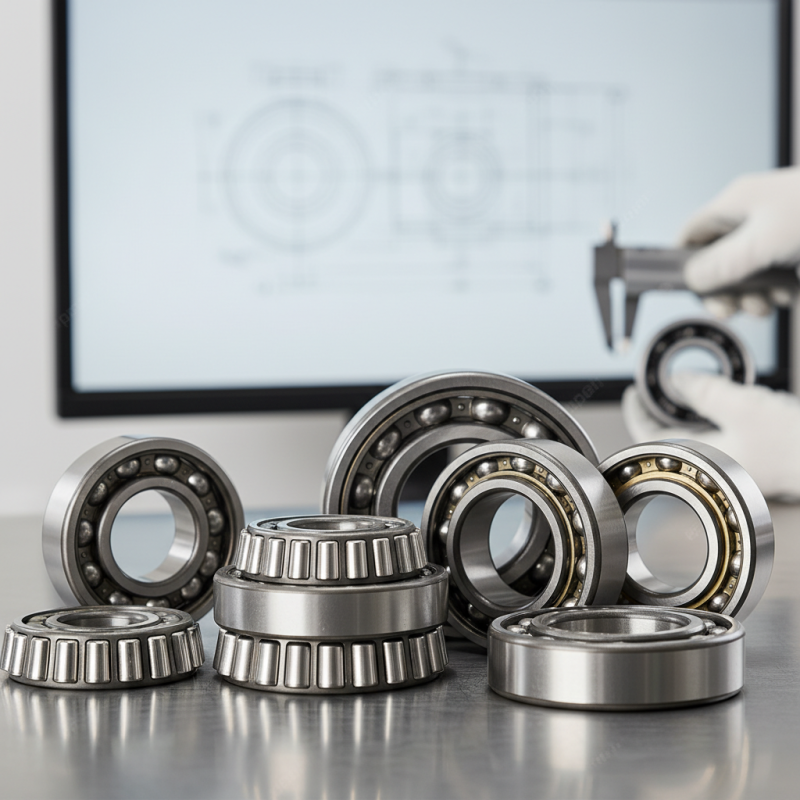
China stands out in the global market for power bearings. With an increasing demand for high-performance components, leading manufacturers have emerged, focused on innovation and reliability. Reports indicate that China’s bearing market is projected to exceed USD 20 billion by 2025, driven by advancements in technology and manufacturing processes.
Many manufacturers specialize in specific applications. However, not all provide the same level of quality. Some products may fail under extreme conditions, raising concerns about their long-term reliability. Analysts highlight the importance of research and development. Only manufacturers that invest heavily in R&D can ensure optimal performance and resilience.
In addition, there are challenges in quality assurance. While the production capacity is impressive, it doesn't always equate to excellence. Reports have shown that a portion of products does not meet international standards. This gap requires consumers to conduct thorough audits before making selections. Such scrutiny ensures that the bearings used in critical applications truly deliver the reliability expected in high-stakes environments.
China Best Power Bearings Performance Comparison
This chart compares the performance metrics of various power bearings commonly used in the industry. Each metric evaluates critical aspects, including load capacity, speed, durability, noise level, and cost. This information is crucial for selecting the optimal bearing for different applications.
Key Features of High-Performance Power Bearings in China
High-performance power bearings are essential in various machinery and applications across industries in China. These bearings play a crucial role in ensuring effective motion and reducing friction. One key feature of these bearings is their material composition. High-quality materials like steel or ceramic enhance durability and wear resistance, allowing for longer service life under heavy loads.
Another important aspect is the design of the bearings. Advanced engineering techniques often lead to optimized geometries that improve load distribution. These designs can significantly reduce noise and vibration, resulting in better overall performance. However, not all manufacturers adhere to strict quality controls, which can lead to inconsistencies in product reliability. This highlights the need for careful selection.
When considering power bearings, it is vital to address potential shortcomings. Variability in production methods can impact the overall quality. Understanding the operational environment is crucial, as bearings must withstand extreme conditions like temperature fluctuations and high pressures. These factors will help identify the best options for specific applications, ensuring that the performance standards are met, even when challenges arise.
Applications of Power Bearings in Various Industries
Power bearings play a crucial role in many industries, enhancing efficiency and reliability in machinery. In manufacturing, they support heavy loads and ensure smooth motion. These bearings can withstand high speeds and temperatures, making them ideal for assembly lines. Their durability often reduces maintenance costs, a critical factor for operational success.
In the automotive sector, power bearings are essential for vehicles' performance. They reduce friction within engines, contributing to better fuel efficiency. In electric vehicles, the need for lightweight yet sturdy components is growing. Manufacturers face the challenge of balancing weight and strength, which requires innovative bearing designs.
The energy sector also relies on power bearings, especially in wind turbines and generators. These applications demand components that can endure harsh environmental conditions. Engineers must constantly refine designs to improve longevity and performance. While advancements exist, there remains room for improvement in efficiency and materials. The pursuit of optimal performance continues to drive research and development.
Factors Influencing the Reliability of Power Bearings
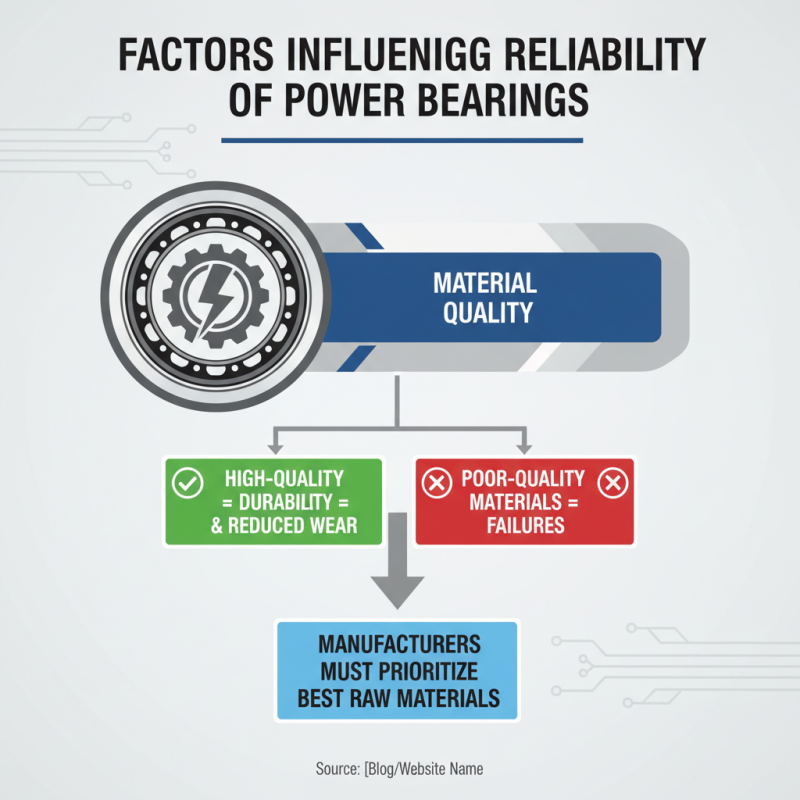
When considering reliability in power bearings, several key factors come into play. Material quality is paramount. High-quality materials contribute to durability, reducing wear and tear over time. Poor quality materials may lead to failures. Therefore, manufacturers must prioritize sourcing the best raw materials available.
Operating conditions significantly impact bearing performance. Temperature extremes, humidity, and vibrations can affect reliability. Bearings function better within specific environmental parameters. Users should monitor these conditions to ensure optimal performance.
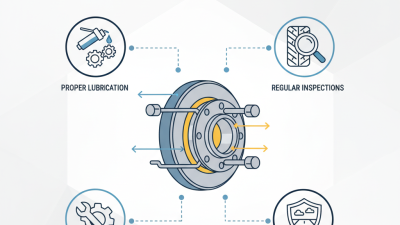
**Tips:** Regular maintenance is essential. Check bearings for signs of damage periodically. Lubrication affects lifespan. Use appropriate lubricants to minimize friction. Always replace worn bearings promptly to prevent further damage.
Another important aspect is the design of the bearing itself. Innovative designs can enhance load-bearing capacity and decrease fatigue. However, not all designs are suitable for every application. Users need to match bearing design with specific requirements for the best results. Over time, feedback from real-world use can help refine these designs, but attention to detail remains crucial.
Future Trends in China's Power Bearing Market
The power bearing market in China is evolving rapidly. According to a recent market report, the sector is projected to grow at a rate of 6.5% annually. This growth is driven by increasing demand from various industries, particularly renewable energy and electric vehicles. These sectors require high-performance bearings for efficiency and longevity.
Innovations in materials and technology are crucial. Bearings made from advanced composites show promise. They deliver improved performance and reduce maintenance costs. However, there are challenges. The industry faces issues with quality control and supply chain disruptions. These problems can hinder the reliability that manufacturers strive to achieve.
Market analysts emphasize the need for manufacturers to adapt. Investing in research and development can help meet future demands. Additionally, shifting towards sustainable practices is becoming essential. This transition reflects a broader trend in global manufacturing. While opportunities abound, companies must navigate these complexities wisely to remain competitive in the power bearing field.