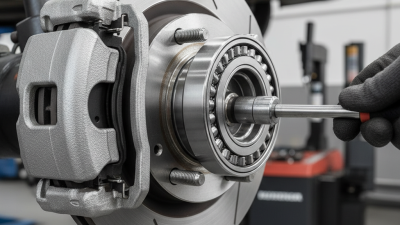
Top 10 Power Bearings You Need for Your Equipment?
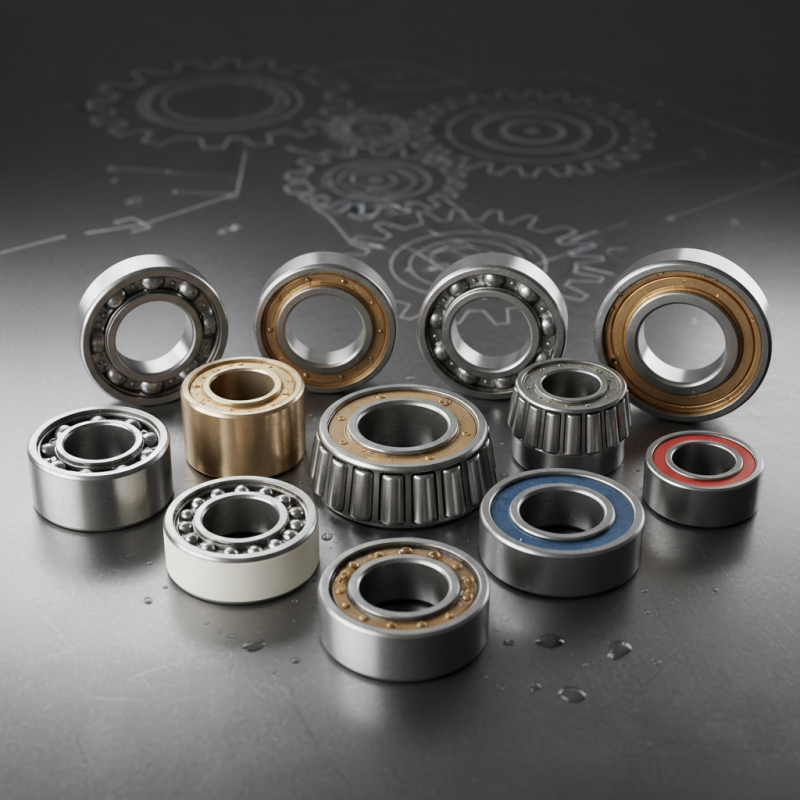
In the world of machinery, Power Bearings play a vital role. They ensure smooth operation and longevity of equipment. Choosing the right bearings can enhance performance.
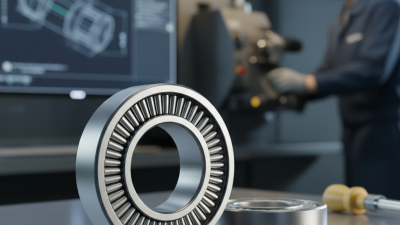
These components often go unnoticed. Yet, they are crucial for minimizing friction and wear. High-quality Power Bearings can significantly improve efficiency and reliability. This guide delves into the top 10 Power Bearings essential for your equipment.
Understanding different types of Power Bearings is key. Each type serves a unique purpose and varies in design. Some may excel in specific applications while others may not meet your needs. Reflect on your requirements and make informed decisions. This list aims to provide clarity in a complex selection process.
Understanding Power Bearings: Definition and Importance
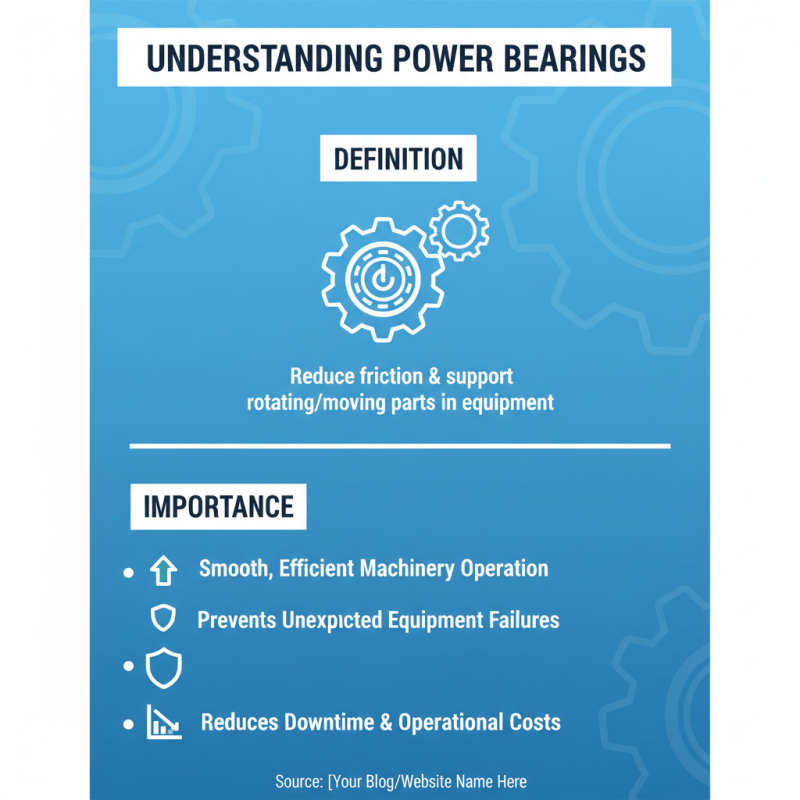
Power bearings play a critical role in the functionality of various equipment. They reduce friction and support rotating or moving parts. This is vital for ensuring machinery operates smoothly and efficiently. Without reliable power bearings, you may face unexpected equipment failures. This can lead to downtime and increased operational costs.
Understanding the intricacies of power bearings is essential. They come in various types, each suited for specific applications. For instance, some bearings are designed for high-load scenarios, while others excel in high-speed environments. Selecting the right type is crucial for optimal performance. Failing to consider these factors can lead to quick wear or malfunction.
**Tip:** Regularly inspect your power bearings for signs of wear. Early detection can prevent costly repairs.
Moreover, the quality of materials used in bearings affects their durability. Bearings made from premium materials typically last longer. However, this does not mean all expensive options are the best. Sometimes, a simple yet effective design suffices. Be open to evaluating different choices based on your unique needs.
**Tip:** Consult with experts if unsure about the right bearing. Their insights can save you time and resources.
Key Features to Look for When Choosing Power Bearings
When selecting power bearings for your equipment, focus on key features that ensure durability and efficiency. One important aspect is load capacity. Consider how much weight your application requires. Look for bearings that can handle more than you expect. This offers a safety margin in challenging conditions.
Another critical feature is material. Bearings made of high-quality steel or ceramics typically provide greater resistance to wear and tear. They are also better at reducing friction. Additionally, check for seals or shields. These protect bearings from contaminants. A clean environment extends the bearing's lifespan.
Tips: Always review manufacturer specifications. This can reveal insights into the bearing's performance limits. Also, consult with industry experts. Their experience can help you avoid common pitfalls. Testing different options is essential. You may find that what works well on paper doesn’t translate to real-world performance. Keep refining your choices to match your specific applications.
Top 10 Power Bearings You Need for Your Equipment
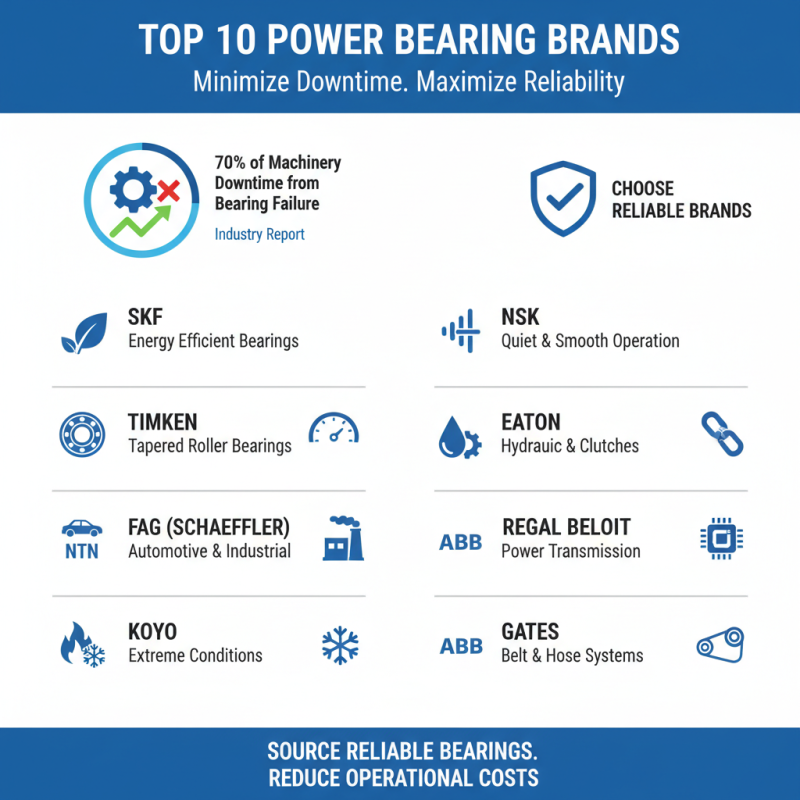
Top 10 Power Bearing Brands and Their Unique Offerings
When selecting power bearings, the range of choices can be overwhelming. Various brands offer unique features that cater to specific applications. An industry report highlights that about 70% of downtime in machinery is due to bearing failure. This emphasizes the importance of choosing reliable brands with proven track records.
Many power bearing brands focus on reducing friction and enhancing durability. They employ advanced materials and design techniques to minimize wear. For instance, some brands have developed specialized coatings that increase resistance to environmental factors. These innovations can lead to significant performance improvements. However, not every brand provides the same level of support and data. Some may overstate their capabilities, necessitating careful evaluation.
Considering environmental conditions is crucial. Some bearings perform well in clean environments but fail under harsh conditions. Data suggests that over 60% of customers prioritize service life and reliability over initial cost. This is a wise approach since investing in quality often results in lower maintenance costs. Still, users should regularly monitor their bearings for unusual wear patterns. This practice can prevent unexpected failures and bolster overall equipment efficiency.
Application Areas for Power Bearings in Different Industries
Power bearings play a crucial role across various industries, affecting equipment efficiency and longevity. In manufacturing, they ensure smooth operations in machinery like conveyor systems and robotic arms. The robustness of power bearings minimizes downtime, which is essential for meeting production schedules. For heavy equipment in construction, reliable bearings can withstand extreme conditions, thus enhancing the durability of machinery.
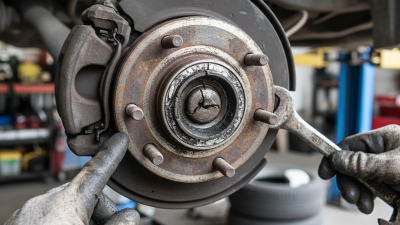
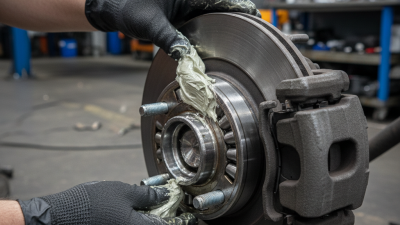
In the automotive sector, power bearings contribute significantly to performance and fuel efficiency. They are pivotal in components like wheel hubs and engine parts, where precision is vital. However, challenges arise with heat and load. Manufacturers must consider these factors when selecting bearings.
The energy sector also relies on power bearings for turbines and generators. Here, the balance between durability and flexibility is a constant challenge. Size and weight are critical in aerospace applications. Bearings must support heavy loads while remaining lightweight. Failing to choose the correct bearing can lead to disastrous results.
Maintenance Tips to Maximize Power Bearings Lifespan
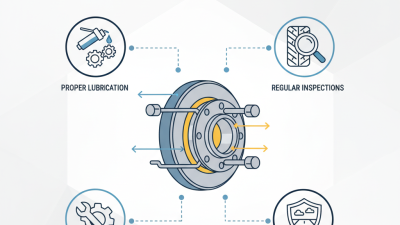
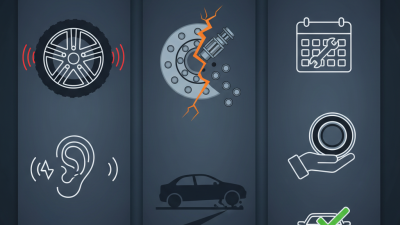
Proper maintenance of power bearings is critical for ensuring their longevity and performance. Regularly checking for any signs of wear can prevent larger issues down the line. Inspect the bearings for any unusual noises or vibrations. These are often the first signs of trouble. If you notice these signs, it's best to act quickly. A minor issue can escalate into a complete failure, leading to costly repairs.
Lubrication plays a significant role in the maintenance of power bearings. Use the right type and amount of lubricant to keep them functioning smoothly. Too much lubricant can cause excessive heat, while too little can lead to premature wear. Follow the manufacturer's guidelines for lubrication frequency. It's essential to create a maintenance schedule and stick to it. Routine inspections and timely maintenance can significantly extend the lifespan of your equipment.
Environmental factors also affect bearing performance. Dust, moisture, and extreme temperatures can lead to corrosion or degradation. Ensure that your equipment is kept in a controlled environment whenever possible. If it's exposed to harsh conditions, consider additional protective measures. Reflecting on your current practices might reveal areas for improvement. Small adjustments can make a substantial difference over time.
Top 10 Power Bearings You Need for Your Equipment
| Bearing Type |
Load Capacity (kg) |
Max Speed (RPM) |
Material |
Lifespan (Hours) |
| Ball Bearing |
2000 |
18000 |
Steel |
5000 |
| Roller Bearing |
3000 |
15000 |
Stainless Steel |
6000 |
| Magnetic Bearing |
2500 |
30000 |
Carbon Steel |
10000 |
| Fluid Bearing |
4000 |
20000 |
Aluminum |
8000 |
| Tapered Roller Bearing |
3500 |
12500 |
Chrome Steel |
7000 |