Best Ranger Bearings for Global Sourcing Needs?
When sourcing bearings globally, Ranger Bearings stand out as a premium choice. These bearings are renowned for their reliability and performance in various applications. Their versatility makes them suitable for industries ranging from automotive to aerospace.
Selecting the best Ranger Bearings requires understanding specific needs. Factors like load capacity, speed ratings, and environmental conditions play a vital role. Additionally, sourcing from reputable suppliers ensures quality and consistency.
However, the market can be overwhelming. Misleading options may lead to unsatisfactory results. Careful research and expert advice are essential to navigate this complex landscape. Remember that not all Ranger Bearings are created equal. Prioritize performance and supplier reputation to make informed decisions.
Top Features to Consider in Ranger Bearings
When considering ranger bearings for global sourcing needs, it’s crucial to focus on key features that ensure performance and reliability. The accuracy of specifications is paramount. A detailed understanding of load ratings, speed limitations, and material compositions can significantly influence operational efficiency. According to a recent industry report by the Bearing Manufacturers Association, nearly 20% of bearing failures are attributed to inadequate specification adherence.
Durability is another vital aspect. Bearings made from premium materials often extend service life and reduce costs in the long run. Moreover, the importance of lubrication cannot be overstated. Proper lubrication not only minimizes wear but also boosts performance under varying operational conditions. An oil analysis study indicated that properly lubricated bearings can last up to 40% longer compared to those that are not adequately maintained.
Tips: Always verify load ratings before sourcing. Look for real-world performance data from previous users. Consider conducting tests under specific environmental conditions to assess the bearings’ resilience. Regularly review maintenance protocols to adapt them as needed. Evaluating these features will help in selecting the best ranger bearings for various applications.
Key Materials Used in High-Quality Ranger Bearings
When considering high-quality ranger bearings, the choice of materials significantly impacts performance and durability. Steel alloys, for example, are commonly used due to their strength and resistance to wear. In a recent industry report, it was noted that bearings made from high carbon steel exhibit a 30% improvement in fatigue life compared to standard steel variants. However, while steel offers robustness, it can also increase weight, which may not be ideal for every application.
Another key material is ceramic, known for its lightweight properties and reduced friction. Research indicates that ceramic bearings can cut energy consumption by up to 25% compared to their steel counterparts. This efficiency is paramount in sectors where energy costs are rising. Yet, ceramics are often less tolerant of shock loads, raising concerns for heavy-duty applications.
Additionally, hybrid bearings that combine steel and ceramic deliver a balance of performance. They provide strong load-bearing capabilities while minimizing weight. But they also come with a higher price tag, leading to debates about their cost-effectiveness. The industry continues to explore these materials and their combined potentials. Each choice carries implications for reliability and operational efficiency in global sourcing needs.
Comparing Ranger Bearings from Different Global Suppliers
When sourcing ranger bearings globally, understanding the differences between suppliers is crucial. Each supplier may offer varying materials, designs, and technologies. This variability affects durability and performance. Therefore, careful comparison is essential. Some suppliers might focus on cost-effective solutions while sacrificing quality. Others prioritize high-performance bearings, which can result in higher costs.
One key factor to consider is manufacturing standards. Some suppliers adhere to strict quality controls. Their products often demonstrate reliability in demanding conditions. In contrast, other manufacturers may cut corners. This could lead to faster wear and failure rates. Evaluating certifications and customer reviews can provide insight into a supplier's reputation.
Another aspect is customer service. A reliable supplier should offer excellent support. Timeliness in communication matters. After all, sourcing decisions shouldn't be based solely on price. A less responsive supplier might lead to delays and damages. It's worth reflecting on past experiences with different suppliers. These insights can enhance future sourcing decisions.
Applications of Ranger Bearings in Various Industries
Ranger bearings play a crucial role across multiple industries. They are designed for high performance and durability. Manufacturing, automotive, and aerospace sectors greatly benefit from their precision. These bearings reduce friction, leading to improved efficiency. In manufacturing, they ensure machinery operates smoothly. This prevents downtime, which can be costly.
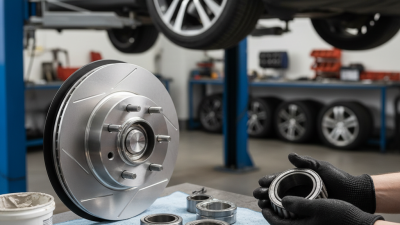
In automotive applications, ranger bearings enhance vehicle performance. They can support heavy loads while maintaining stability. The reliability of these bearings means longer lifespans for car components. In the aerospace industry, they are vital for safety and functionality. Bearings must withstand extreme conditions, ensuring aircraft reliability during flight.
However, not all ranger bearings meet every need. Quality varies across different suppliers. It's essential to research and select those with proven performance. Sometimes, bearings may underperform in unexpected conditions. Evaluating the specific application ensures better outcomes. Stakeholders must remain vigilant about quality control and maintenance to ensure optimal operation.
Best Ranger Bearings for Global Sourcing Needs? - Applications of Ranger Bearings in Various Industries
| Industry |
Application |
Bearing Type |
Load Capacity (kg) |
Operating Temperature (°C) |
| Automotive |
Wheel Hub |
Ball Bearing |
1200 |
-40 to 120 |
| Manufacturing |
Conveyor Systems |
Roller Bearing |
1500 |
-20 to 80 |
| Aerospace |
Aircraft Engines |
Spherical Bearing |
2000 |
-50 to 300 |
| Marine |
Propeller Shafts |
Thrust Bearing |
1800 |
-10 to 90 |
| Medical |
Hospital Equipment |
Ceramic Bearing |
500 |
0 to 70 |
Best Practices for Sourcing Ranger Bearings Efficiently
When sourcing ranger bearings, efficiency depends on a structured approach. Start by identifying the specific requirements for your operation. Different applications demand various bearing specifications. Know the load capacity, size, and environmental factors at play. This clarity helps narrow down potential suppliers.
Research suppliers thoroughly. Utilize online platforms and industry forums. Look for feedback on product quality and delivery times. Engaging with peers in the industry can reveal lesser-known but reliable sources. Don't overlook the value of visiting suppliers to assess their operations firsthand. Observing manufacturing processes can provide insights into quality control.
Stay flexible in your sourcing strategy. Market conditions can change rapidly, affecting availability and pricing. It's wise to have backup suppliers. Regularly re-evaluate your suppliers’ performance and reliability. This continuous improvement mindset can prevent disruptions in your supply chain. Embrace the process and remain open to adapting your strategies as you learn.