Welcome to our websites!

Top 10 Rear Bearing Types Buyers Need to Know?

In the world of machinery, the choice of the right rear bearing can significantly impact performance and longevity. According to industry expert Dr. John Smith, "Selecting the correct rear bearing type is crucial for the efficiency of any mechanical system." With a myriad of options available, it's essential for buyers to understand their specific needs.

Different rear bearing types cater to varying applications, each offering unique advantages and disadvantages. For instance, deep groove ball bearings are commonly used due to their versatility. However, they may not always provide the durability that some heavy-duty applications demand. This complexity emphasizes the importance of informed decision-making.

A knowledgeable buyer must consider factors like load capacity, speed, and environmental conditions. The wrong choice could lead to premature failure and costly repairs. Engaging with suppliers and conducting thorough research can mitigate these risks. Exploring the top ten rear bearing types equips buyers with the critical insights needed in today's competitive landscape.
Top 10 Rear Bearing Types Buyers Need to Know?

Understanding the Importance of Rear Bearings in Automotive Applications
Top 10 Rear Bearing Types Buyers Need to Know?

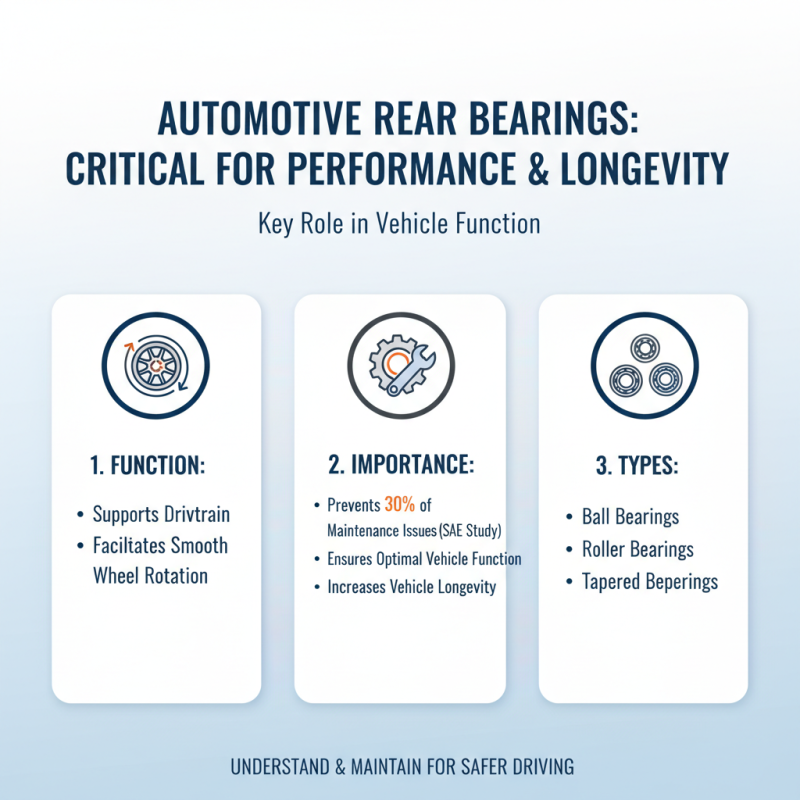
Rear bearings play a critical role in automotive performance. They support the vehicle's drivetrain and facilitate smooth wheel rotation. A study from the Society of Automotive Engineers indicates that about 30% of vehicle maintenance issues involve faulty bearings. Understanding rear bearing types helps ensure optimal vehicle function and longevity.

Different types of rear bearings serve specific applications. For example, ball bearings are commonly used for their low friction and high-speed capabilities. Conversely, roller bearings can handle heavier loads but require careful maintenance. A report from the International Journal of Automotive Engineering highlights that selecting the right bearing type can improve fuel efficiency by up to 5%. This highlights the significance of precise bearing selection in everyday driving.

Additionally, the installation process can impact bearing performance. Improper alignment or lubrication can lead to premature wear. Research by the American Society of Mechanical Engineers suggests that over 40% of bearing failures are due to installation errors. This underlines the need for expert knowledge in the automotive field to address these potential issues effectively.
Types of Rear Bearings: A Comprehensive Overview of Common Varieties

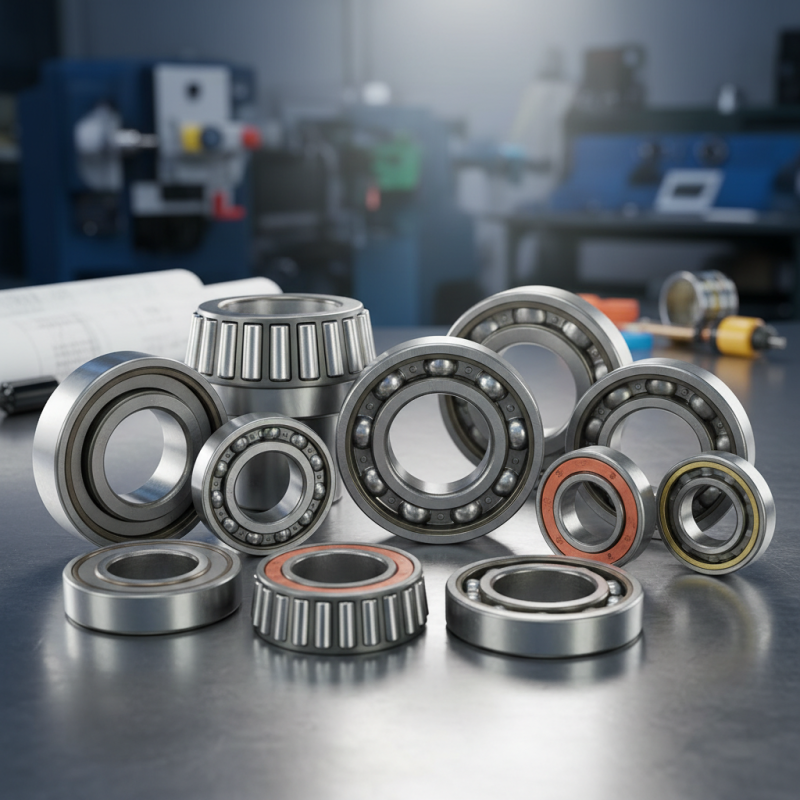
When it comes to rear bearings, understanding the different types is crucial for buyers. Rear bearings play a vital role in numerous applications, from automotive to machinery. The most common types include ball bearings, roller bearings, and tapered bearings. Each type serves unique purposes and has distinct characteristics.

Ball bearings are highly versatile. They handle both radial and axial loads effectively. According to the American Society of Mechanical Engineers (ASME), these bearings account for nearly 40% of the global bearing market. This wide usage highlights their reliability. However, they may not perform well under extreme conditions. This lack of performance under stress should make buyers cautious.

Roller bearings, with their cylindrical shape, excel in situations where heavy loads are an issue. Data from the Bearing Industry Association indicates that roller bearings are preferred in industrial applications for their robustness. Tapered bearings are another significant type. They allow for both axial and radial load support. However, they often require precise installation and maintenance. Understanding these nuances can impact the longevity and performance of machinery.

Material Composition of Rear Bearings: How It Affects Performance

The material composition of rear bearings plays a crucial role in their performance. Different materials offer unique benefits and drawbacks. Steel, for example, is durable and resistant to heavy loads but can corrode easily if not properly maintained. On the other hand, ceramic materials are lighter and provide excellent thermal resistance, making them ideal for high-speed applications. However, they can be more brittle and may not withstand impact as well as steel.

Manufacturers often choose materials based on the specific application of the bearing. A bearing used in a harsh environment may require stainless steel to resist corrosion. Meanwhile, a bearing in a lightweight racing vehicle might benefit from the low friction of ceramic components. The choice of lubricant also interacts with material composition. Some lubricants work better with specific materials, affecting overall efficiency and lifespan.

Choosing the right rear bearing material is complex. It involves understanding not just the environment but also the load and speed requirements. Users may overlook this detail, leading to suboptimal performance. A careful selection process can prevent premature failure and costly repairs. Proper education on material properties is essential for making informed decisions.

Top 10 Rear Bearing Types Buyers Need to Know

Bearing Type Material Composition Typical Applications Performance Characteristics
Ball Bearing Steel, Chrome, Ceramic Automotive, Aerospace High-speed, Low friction
Roller Bearing Steel, Nylon Construction Equipment, Industrial High load capacity
Thrust Bearing Brass, Steel Marine Applications, Heavy Machinery Handles axial loads
Spherical Bearing Steel, Composite Materials Automotive, Aerospace Allows for angular misalignment
Plain Bearing Bronze, Plastic Agriculture, Construction Simplicity, Lubrication flexibility
Needle Bearing Steel, Alloy Automotive, Machine Tools Compact, High load capacity
Magnetic Bearing Electromagnetic Materials High-speed Rotors, Turbines Non-contact, Low wear
Fluid Bearing Liquid, Gas HVAC Systems, Turbines Low friction, High stability
Composite Bearing Plastic, Fiber Reinforced Marine, Automotive Corrosion resistant, Lightweight
Ceramic Bearing Zirconia, Silicon Nitride High-performance Sports, Robotics High speed, Low thermal expansion

Load Ratings and Durability: What Buyers Need to Consider

Top 10 Rear Bearing Types Buyers Need to Know?

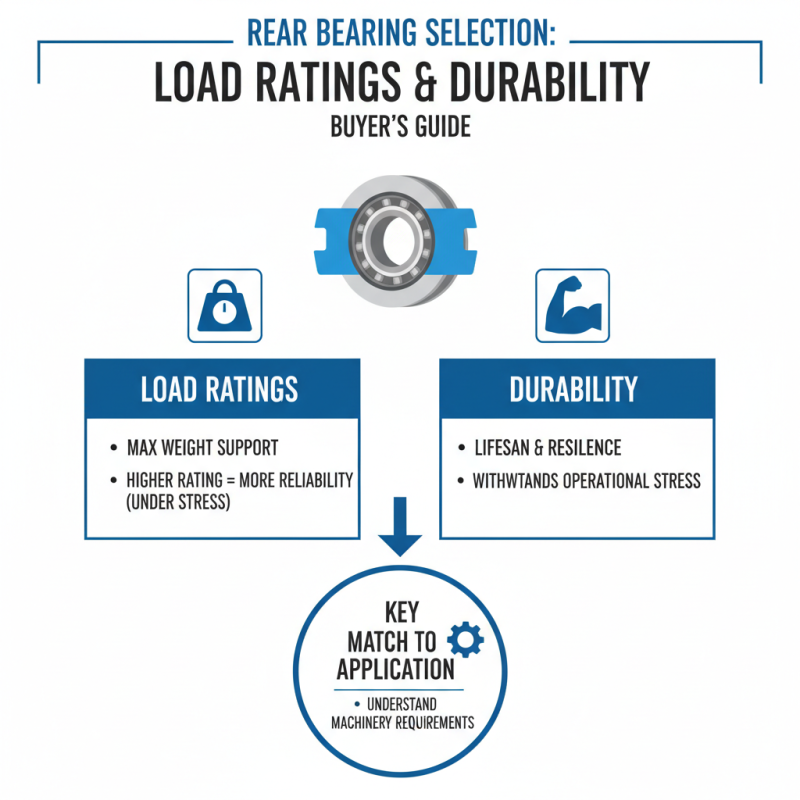
When selecting rear bearings, load ratings and durability are crucial considerations. Load ratings indicate how much weight a bearing can support. Higher ratings often mean better reliability under stress. Buyers need to evaluate their specific applications. Each situation may require different load capacities. This means understanding your machinery's requirements is essential.

Durability is another key factor to consider. Bearings endure wear and tear over time. Selecting materials that resist corrosion and fatigue is vital. Poorly chosen bearings can lead to frequent replacements and downtime. Pay attention to the type of seals used to protect against contaminants. Regular maintenance can extend a bearing's lifespan, but it’s not a replacement for quality.

Misjudging load requirements can lead to failure. Some users overlook the importance of compatibility with their systems. A mismatch can affect performance and cause costly damages. Always consult with an expert if in doubt. Take the time to research and weigh options. This careful consideration can save money and enhance system efficiency in the long run.

Key Trends in Rear Bearing Technology: Innovations Shaping the Market

Rear bearings are essential components in various machinery and vehicles. Recent trends show significant innovations shaping their technology. Notably, manufacturers are focusing on materials that enhance durability and reduce friction. According to a report by Research and Markets, the global bearing market is projected to reach $90 billion by 2026, driven by advancements in smart technologies.

One key innovation is the incorporation of smart sensors within bearings. These sensors provide real-time data on temperature, vibration, and wear. This data helps predict maintenance needs, reducing downtime. The implementation of IoT in bearing technology is gaining traction as manufacturers aim for more efficient operations.

**Tip:** Regularly assess the condition of your rear bearings. This can extend their lifespan and improve performance. Monitoring slight changes can reveal potential issues before they escalate.

Another trend is the shift towards eco-friendly materials. Many companies are exploring biocomposite materials. These alternatives not only minimize environmental impact but also maintain performance standards. However, the transition to new materials can pose challenges. Testing for compatibility with existing systems is essential.

**Tip:** Consult with experts when considering new bearing materials. Their insights can guide you in making informed choices for your machinery.

Top 10 Rear Bearing Types Buyers Need to Know