2026 Top Mini Wheel Bearing Types for Global Buyers?
In the realm of precision engineering, the significance of "Mini Wheel Bearings" cannot be overstated. These components play a critical role in various industries, ranging from automotive to robotics. According to a recent report by MarketsandMarkets, the mini wheel bearing market is projected to reach a valuation of $2.5 billion by 2026, driven by technological advancements and increasing demand for efficient machinery.
Dr. Elena Hart, a prominent expert in bearing technology, emphasizes, "Mini Wheel Bearings are essential for enhancing the performance and lifespan of compact machines." This statement highlights their vital function in optimizing performance. Each type of mini wheel bearing has specific characteristics, making their selection crucial for diverse applications.
However, there are challenges in this sector. Not all manufacturers adhere to quality standards, leading to reliability concerns. Buyers often face difficulty distinguishing between various types. As competition increases, the need for informed choices becomes more vital. Understanding the nuances of mini wheel bearings remains imperative for global buyers seeking to make sound investment decisions.
Overview of Mini Wheel Bearings Used in Global Markets
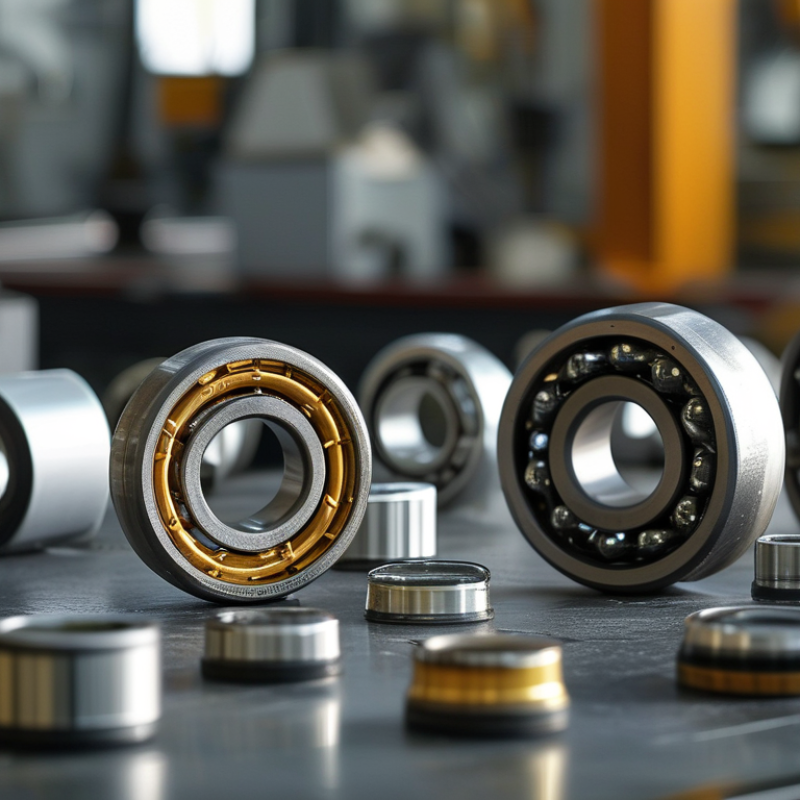
Mini wheel bearings play a crucial role in various global markets, serving diverse applications. These compact components are designed for smooth rotation, reducing friction and wear. They are widely used in bicycles, motorcycles, and small machinery. The demand for mini wheel bearings is growing due to the increasing adoption of electric vehicles and compact equipment.
Understanding the types of mini wheel bearings available is essential for buyers. Some popular types include deep groove ball bearings and angular contact bearings. Each type offers unique features, such as load capacity and speed limits. Buyers should consider factors like material, size, and lubrication options to ensure optimal performance.
Despite the advances in technology, not all mini wheel bearings meet quality standards. Variations in manufacturing processes can lead to reliability issues. Prospective buyers often face challenges in selecting the right bearings. Communication with suppliers becomes vital to ensure the specifications align with the intended use. Monitoring product feedback can also provide insights into performance and durability, guiding better purchasing decisions.
Types of Mini Wheel Bearings: Characteristics and Applications
Mini wheel bearings are essential components in various applications, like toys, bicycles, and small machinery. They reduce friction and support rotation, ensuring smooth operation. Different types vary based on design and material, catering to various needs.
For instance, deep groove ball bearings offer versatility and high radial load capacity. They are commonly used in hobby projects and small vehicles. On the other hand, miniature angular contact bearings excel in providing high precision. These are ideal for applications requiring strict alignment and minimal play, such as in robotics.
When selecting a mini bearing, consider the application requirements. Load capacity, speed rating, and environmental factors all play a critical role. It’s important to remember that not all bearings fit every application. Testing and evaluation can lead to better choices. The market offers numerous options, but research is key. Not every bearing will meet your specific needs. Take the time to analyze your project.
Key Manufacturers of Mini Wheel Bearings Worldwide
The global market for mini wheel bearings is rapidly evolving. Key manufacturers are recognizing the importance of precision and durability. Many companies focus on innovative designs to reduce friction and enhance performance. These elements are crucial for applications in various industries, including automotive and aerospace.
Some industry leaders prioritize quality materials in their production processes. This commitment shapes the overall reliability of their products. However, there are challenges. With the increasing demand, maintaining consistent quality can be an issue. Some manufacturers may struggle with supply chain management. This could lead to potential delays and inconsistencies.
Expertise in engineering is vital for mini wheel bearings. Manufacturers must adapt to technological advancements. Investing in R&D can enhance product offerings. Nonetheless, not all manufacturers have equal access to resources for such advancements. As a result, potential buyers must conduct thorough research. They should evaluate manufacturers based on their expertise and production capabilities. This ensures they make informed decisions.
Factors Influencing Mini Wheel Bearing Selection for Buyers
When selecting mini wheel bearings, several factors significantly influence the decision-making process for buyers. Load capacity is critical. According to recent industry reports, bearing capacity must align with specific applications to ensure optimal performance. For example, a mini wheel bearing used in bicycles requires different specifications compared to those used in robotic applications. Understanding the operating conditions helps narrow down choices effectively.
Material choice also plays a vital role. Steel, ceramic, and polymer bearings all serve distinct purposes. Steel bearings offer durability and strength, while ceramic options provide lower friction and higher speeds. Regularly reviewing suppliers’ material specifications can prevent compatibility issues.
**Tips:** Consider the ambient temperature. Extreme conditions may require special materials. Always consult with industry experts or technical datasheets to make informed decisions. It's essential to monitor performance and adjust selections accordingly. Regular maintenance and evaluation are crucial for long-term reliability.
Future Trends in Mini Wheel Bearing Development and Technology
The future of mini wheel bearing technology is evolving rapidly. Industry reports suggest that the market will grow significantly in the coming years. According to a recent analysis by MarketWatch, the mini wheel bearing market is projected to reach $XX billion by 2026, driven by the increasing demand in various sectors like automotive, aerospace, and robotics. The integration of lighter materials is a prominent trend. These materials enhance performance while reducing weight, which improves energy efficiency in applications.
The use of advanced manufacturing techniques like additive manufacturing is gaining traction. This allows for precision engineering and customization. These methods can lead to lower production costs and shorter lead times. However, the sustainability aspect is still being evaluated. The industry faces challenges regarding the environmental impact of new materials and processes.
Tips: Consider the long-term benefits of investing in high-quality mini wheel bearings. They can lead to reduced maintenance costs and enhanced performance. Stay updated on materials and technology trends to make informed decisions. Regularly reviewing the latest research can help navigate this complex market.