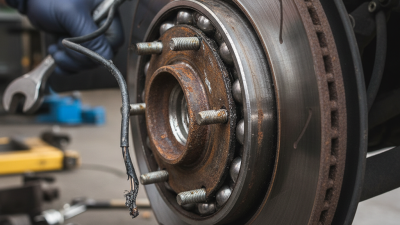
Top 5 Groove Bearing Types for Global Buyers?
Groove bearings are essential components in various mechanical systems. They ensure smooth rotational movement and reduce friction, which is crucial for efficiency. In 2022, the global groove bearing market was valued at approximately $2.5 billion. This growth reflects the increasing demand across industries like automotive, aerospace, and manufacturing. Buyers often look for specific types that fit their needs.
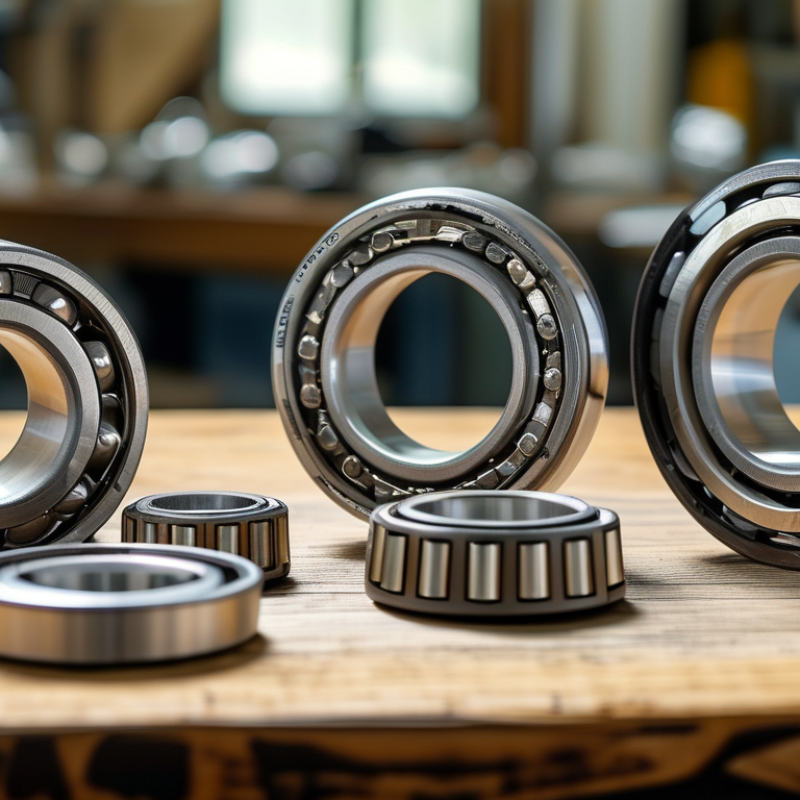
Different groove bearing types exhibit unique characteristics. For instance, deep groove ball bearings are favored for their versatility. They can accommodate both radial and axial loads. Tapered roller bearings, on the other hand, excel in heavy load applications. Understanding these differences is vital for making informed decisions.
Despite the benefits, choosing the right groove bearing can be challenging. Many buyers struggle with factors like load capacity and environmental conditions. Detailed research and expert advice can help mitigate these issues. Currently, leading industry reports emphasize the importance of quality and reliability in this sector. Ultimately, recognizing the right groove bearing type is crucial for operational success.
Top 5 Groove Bearing Types for Global Buyers
When selecting groove bearings, understanding the types available is essential.
Each type serves different functions and applications in various industries. For instance,
deep groove ball bearings are popular due to their versatility
and ability to handle radial and axial loads. Their design allows for smooth rotation, making them ideal for motors and pumps.
Another type is angular contact ball bearings, which excel in
high-speed applications. They have a unique design that supports
higher loads at greater angles. Their precision makes them favored in aerospace and automotive industries.
Knowing these differences can guide buyers in making informed decisions.
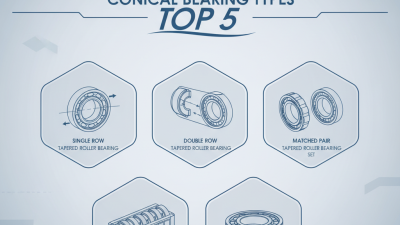
There are also tapered roller bearings, which are perfect for
heavy-load scenarios. Their tapered design allows for a greater contact area, enhancing load distribution.
However, installation can be tricky, requiring careful alignment. There's a learning curve here.
Misalignment may lead to premature wear. Understanding these challenges is crucial for users. Insight into
each type's strengths and weaknesses helps in choosing the right groove bearing. Always consider the
specific needs of your application.
Understanding the Importance of Groove Bearings in Various Industries
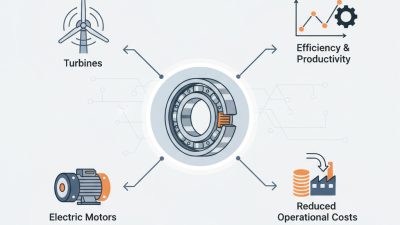
Groove bearings play a vital role in various industries by significantly enhancing the efficiency and longevity of machinery. In sectors like automotive and manufacturing, these bearings reduce friction, leading to smoother operations. According to a report by MarketsandMarkets, the global bearing market is projected to grow from $75 billion in 2022 to $100 billion by 2027, highlighting the increasing reliance on effective bearing solutions.
In the aerospace sector, groove bearings facilitate critical load support and alignment. An analysis from Research and Markets indicated that the aerospace bearings segment is expected to witness a CAGR of 4.5% from 2023 to 2030. This growth underscores the essential nature of bearings in flight safety and performance. However, there are concerns regarding the maintenance of these components. Regular inspections and timely replacements can often be overlooked, leading to premature failures and costly downtimes.
The energy sector also heavily depends on groove bearings, particularly in wind turbines. A study from the International Energy Agency reports that 20% of wind turbine failures can be attributed to bearing issues. This statistic raises critical questions about maintenance practices and the implementation of predictive maintenance technologies. As industries evolve, the demand for innovative bearing solutions will continue to rise, yet there's room for improvement in proactive management strategies.
Top 5 Groove Bearing Types for Global Buyers
Understanding the importance of groove bearings in various industries can help in selecting the right type for specific applications. Below is a chart illustrating the popularity and usage frequency of the top five groove bearing types.
Key Features and Specifications of Popular Groove Bearing Types
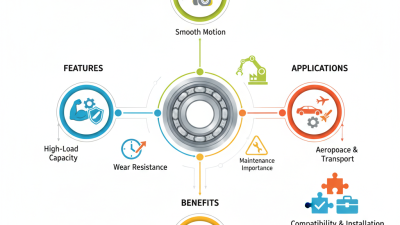
Groove bearings play a vital role in various applications, providing support and reducing friction. One common type is the radial groove bearing, known for its high load capacity. This design allows for effective weight distribution, which is crucial in heavy machinery. They typically feature a deep groove, enabling greater stability and longevity.
Another popular option is the angular contact bearing, designed for combined loads. It offers the advantage of handling both axial and radial forces simultaneously. This makes it suitable for applications like electric motors and automotive uses. The contact angle can vary, allowing users to select the best fit for their specific needs.
Lastly, self-aligning groove bearings provide flexibility in alignment. They can adjust to misalignments without compromising performance. This feature is essential in environments where components may shift over time. Despite their advantages, it's important to choose the right type based on the application. Each bearing type has its unique specifications and potential drawbacks, requiring careful evaluation. Understanding these details can lead to better performance and durability in various industrial settings.
Comparative Analysis of Groove Bearing Materials and Their Performance
When it comes to groove bearings, material selection plays a crucial role in performance. Each material offers distinct advantages and drawbacks. For instance, nylon provides excellent wear resistance and low friction but lacks the strength of metal alternatives. A recent report indicates that nylon bearings can last up to 30% longer in low-load applications compared to steel.
On the other hand, steel groove bearings are known for their durability and strength. They can withstand higher loads and provide reliable performance in various environments. However, they may suffer from corrosion without proper treatment. According to industry data, steel bearings have a 15% higher failure rate in corrosive conditions than those made from composite materials.
Composite bearings, made from a blend of materials, are gaining popularity. They balance strength and weight, offering versatility in applications. Another study suggests that composite bearings can reduce friction by 25% over traditional materials. Yet, they may not always handle extreme temperatures effectively. Understanding these nuances is key for buyers seeking longevity and reliability in groove bearing applications.
Selecting the Right Groove Bearing for Your Application Needs
When selecting groove bearings, understanding your specific application is critical. Different industries have unique requirements, from load capacity to environmental resistance. Proper selection ensures efficiency and longevity. Factors like temperature ranges, moisture levels, and exposure to chemicals influence your choice. Evaluate each requirement meticulously.
Take into account the material composition of the groove bearing. Options may vary from durable metals to advanced polymers. Each material offers distinct benefits and drawbacks. For instance, metal bearings excel in high-load scenarios but may corrode in damp conditions. On the other hand, polymer bearings resist chemicals, yet have limitations in heavy load capacities.
It's also crucial to consider the bearing's design. Some are intended for rotational movement, while others suit linear applications. Not all designs fit all machinery. Misapplications can lead to failures, causing delays. Regularly reviewing your choices can ensure you stay aligned with the evolving demands of your operations. Understanding the priorities of your specific application will lead to better decision-making in groove bearing selection.
Conclusion
Groove bearings play a critical role in a variety of industries, providing essential support and facilitating smooth movement in machinery. This article outlines the top five groove bearing types, emphasizing their key features and specifications that cater to diverse applications. A comparative analysis of materials used in groove bearings reveals how performance can vary, guiding buyers in selecting the right type for their specific needs.
As technology advances, new trends in groove bearing design are emerging, aimed at enhancing efficiency and durability. Understanding these developments is crucial for global buyers looking to make informed decisions. By focusing on the unique aspects of each groove bearing type, this article aims to equip readers with the knowledge necessary to choose the best solution for their application requirements.