Top Tips for Choosing the Right Brake Bearings for Your Vehicle
When it comes to maintaining the optimal performance of your vehicle, the choice of brake bearings is crucial. Brake bearings play a pivotal role in the smooth operation of braking systems, directly impacting safety and efficiency. Unfortunately, many vehicle owners overlook their importance, leading to potential issues down the line. Selecting the right brake bearings requires careful consideration, as there are various factors that influence their performance and compatibility with your vehicle.
This article aims to provide you with top tips for choosing the right brake bearings for your vehicle. From understanding the different types and materials available to recognizing the signs of wear and tear, we will guide you through the decision-making process. By gaining a better understanding of what to look for in brake bearings, you can ensure that your vehicle remains in peak condition while enhancing your overall driving experience. Whether you’re a seasoned mechanic or a first-time car owner, this guide will help you make informed choices that prioritize safety and longevity.
Understanding the Different Types of Brake Bearings Available
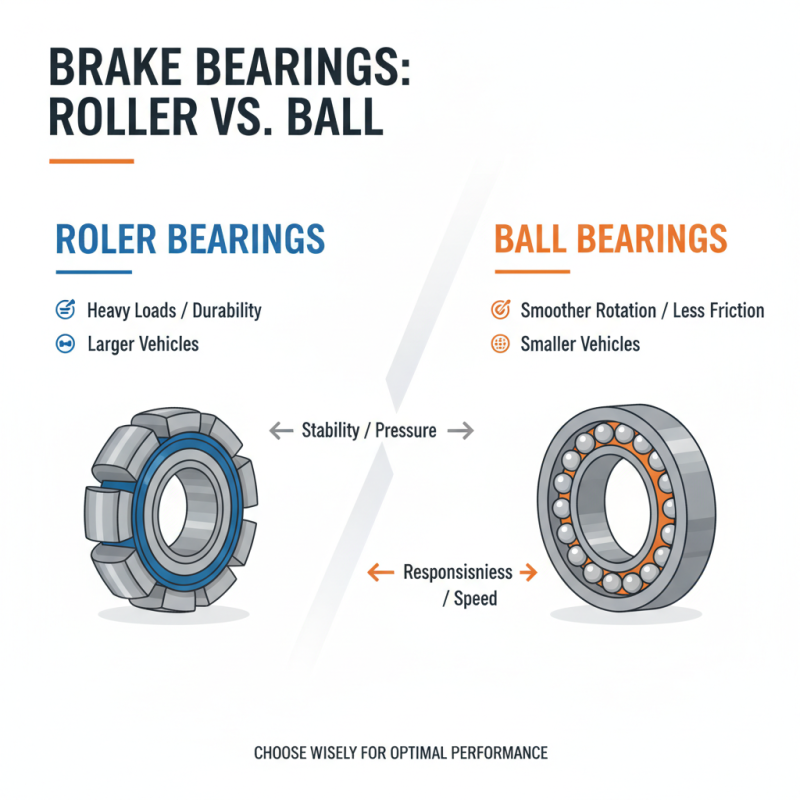
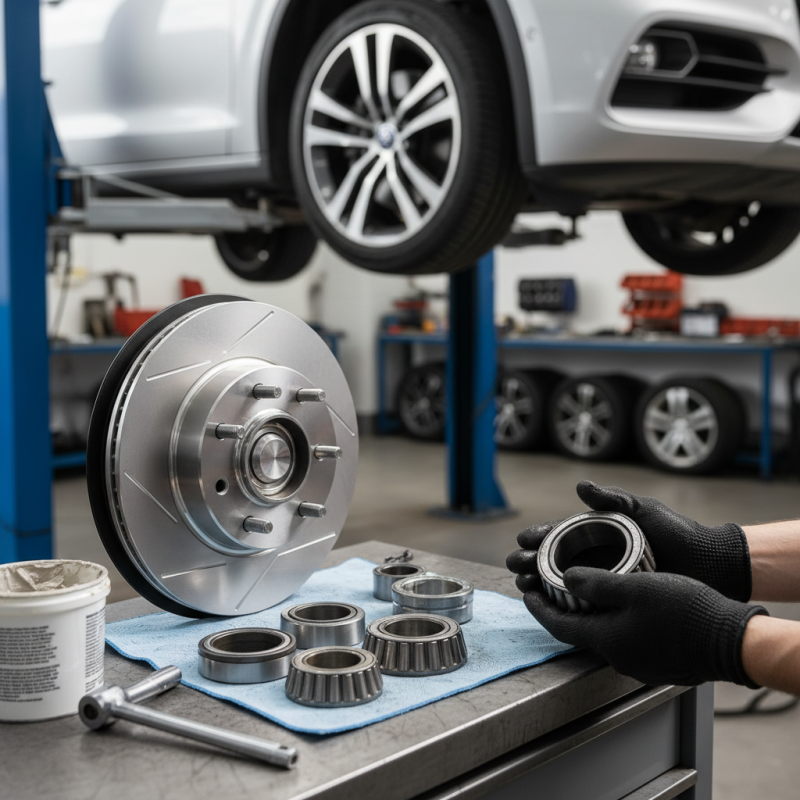
When choosing the right brake bearings for your vehicle, it is important to understand the different types available on the market. Brake bearings primarily come in two main varieties: roller bearings and ball bearings. Roller bearings, characterized by their cylindrical shape, are known for their ability to handle heavy loads and provide better stability under pressure. They are commonly used in larger vehicles or applications where durability is crucial. Ball bearings, on the other hand, are designed with spherical elements that allow for smoother rotation and less friction. This makes them ideal for smaller vehicles or applications requiring quick responsiveness.
Additionally, it's essential to consider the material and design specifications of brake bearings. Common materials include steel and ceramic, each offering unique advantages. Steel bearings are robust and reliable, often used in standard applications, while ceramic bearings provide lightweight options with excellent heat resistance, making them suitable for high-performance vehicles. Understanding your vehicle's requirements and the conditions under which it operates will significantly influence your choice of brake bearings, ensuring optimal performance and safety.
Key Factors to Consider When Selecting Brake Bearings
When selecting brake bearings for your vehicle, several key factors should be considered to ensure optimal performance and safety. First and foremost, it's crucial to identify the type of brake system your vehicle employs. Different systems, such as disc brakes and drum brakes, may require specific types of bearings that are designed to withstand the particular forces at play. Understanding the compatibility of the bearings with your vehicle’s brake system will prevent premature failure and enhance efficiency.
Another important factor is the material quality of the bearings. High-quality materials can significantly affect the durability and heat resistance of the bearings, which in turn can influence braking efficiency under various driving conditions. Look for bearings made from corrosion-resistant materials to withstand moisture and debris, which could lead to wear over time. Additionally, considering the manufacturer's specifications and recommendations can help guide your choice, ensuring that the bearings meet the required standards for performance and longevity.
Lastly, pay attention to maintenance considerations. Some bearings may require regular lubrication or specific installation practices to function correctly. Opting for bearings with ease of maintenance can save time and money in the long run. By carefully weighing these factors, you can make a well-informed decision that enhances your vehicle's braking system reliability.
Top Tips for Choosing the Right Brake Bearings for Your Vehicle
Evaluating Compatibility with Your Vehicle's Make and Model
When selecting the right brake bearings for your vehicle, one of the most critical factors to consider is compatibility with your vehicle’s specific make and model. According to industry reports from the National Highway Traffic Safety Administration (NHTSA), improper fitting components can lead to brake failure, increasing the risk of accidents. Each vehicle design has unique specifications, including the diameter, load rating, and material of the bearings, which are essential for optimal performance. Therefore, referring to your vehicle's service manual or consulting with a professional technician can ensure that the components you select will function effectively within your vehicle's system.
Furthermore, the importance of evaluating compatibility goes beyond just basic specifications. A study by the Society of Automotive Engineers (SAE) highlights that mismatched components not only compromise safety but can also lead to increased wear and tear on other brake system parts, impacting overall vehicle longevity and efficiency. Utilizing OEM (Original Equipment Manufacturer) specifications can greatly enhance compatibility, as these components are designed to meet the exact standards set by manufacturers. Always verify that the brake bearings you consider are tested and certified for your vehicle type to maintain safety and performance integrity.
Top Tips for Choosing the Right Brake Bearings for Your Vehicle
| Make |
Model |
Year |
Bearing Type |
Compatibility Notes |
| Toyota |
Camry |
2020 |
Angular Contact Bearing |
Ensure proper preload for optimal performance |
| Honda |
Civic |
2019 |
Deep Groove Ball Bearing |
Check for noise and vibration during installation |
| Ford |
F-150 |
2021 |
Tapered Roller Bearing |
Inspect the bearing races for wear |
| Chevrolet |
Silverado |
2018 |
Double Row Ball Bearing |
Use OEM specifications to ensure fit |
| Nissan |
Altima |
2020 |
Sealed Deep Groove Bearing |
Ensure seal integrity to prevent contamination |
Importance of Quality and Brand Reputation in Brake Bearings
When selecting brake bearings for your vehicle, the importance of quality and brand reputation cannot be overstated.
High-quality brake bearings play a critical role in ensuring safety and performance.
According to a recent study from the Automotive Aftermarket Suppliers Association (AASA), approximately 30% of vehicle failures are related to braking systems, highlighting the need for reliable components.
Quality brake bearings can significantly reduce the risk of premature failure and enhance the overall longevity of your vehicle's braking system.
Brand reputation adds another layer of significance when choosing brake bearings.
Research from J.D. Power indicates that consumers are willing to pay up to 20% more for products from brands recognized for their reliability and performance in the aftermarket domain.
A well-established brand often signifies rigorous testing and adherence to higher manufacturing standards, which can be paramount in critical components like brake bearings.
This trend illustrates that investing in reputable brands can lead to better safety outcomes and a more trustworthy driving experience, which is crucial in today's automotive landscape.
Tips for Installation and Maintenance of Brake Bearings
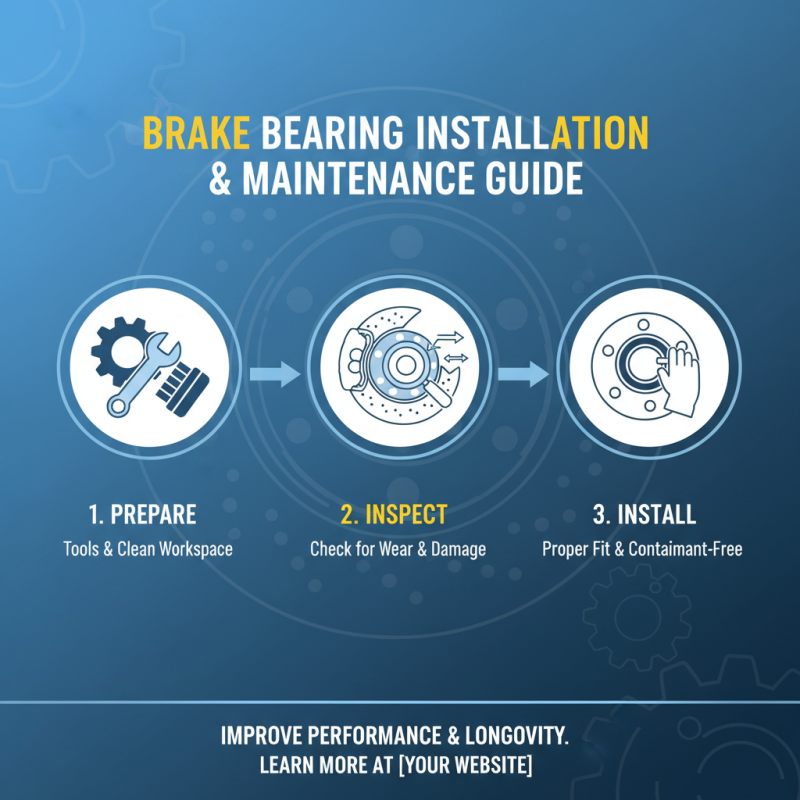
When it comes to installing and maintaining brake bearings, understanding the process can make a significant difference in performance and longevity. First and foremost, ensure you have the right tools and a clean workspace. A clean environment prevents contaminants from entering the assembly and aids in achieving a proper fit. When removing old bearings, take care to inspect the components for signs of wear, as this can indicate larger issues within the braking system.
For installation, one of the essential tips is to lubricate the bearings adequately before setting them in place. Using the proper grease not only facilitates a smoother operation but also protects against corrosion and wear. Additionally, always follow the manufacturer’s specifications for tightening torque and assembly sequences. Incorrect installation can lead to premature failure or inadequate braking performance.
Regular maintenance is crucial for ensuring the longevity of brake bearings. Keep an eye on any unusual sounds or vibrations, as these could signal a need for inspection. Periodically check the lubrication and apply fresh grease if necessary, especially in high-use scenarios. Implementing a routine maintenance schedule will help catch potential issues before they become serious, ensuring your vehicle remains safe and reliable on the road.