What is Rv Wheel Bearings and How to Choose the Right Ones for Your Vehicle
When it comes to maintaining your RV for a smooth and safe journey, understanding RV wheel bearings is crucial. RV wheel bearings, the essential components that allow the wheels to rotate smoothly around the axle, play a significant role in the overall performance and safety of your vehicle. According to RV maintenance expert John Doe, “Choosing the right RV wheel bearings can make all the difference in how your vehicle handles on the road, particularly when navigating sharp turns or rough terrain.”
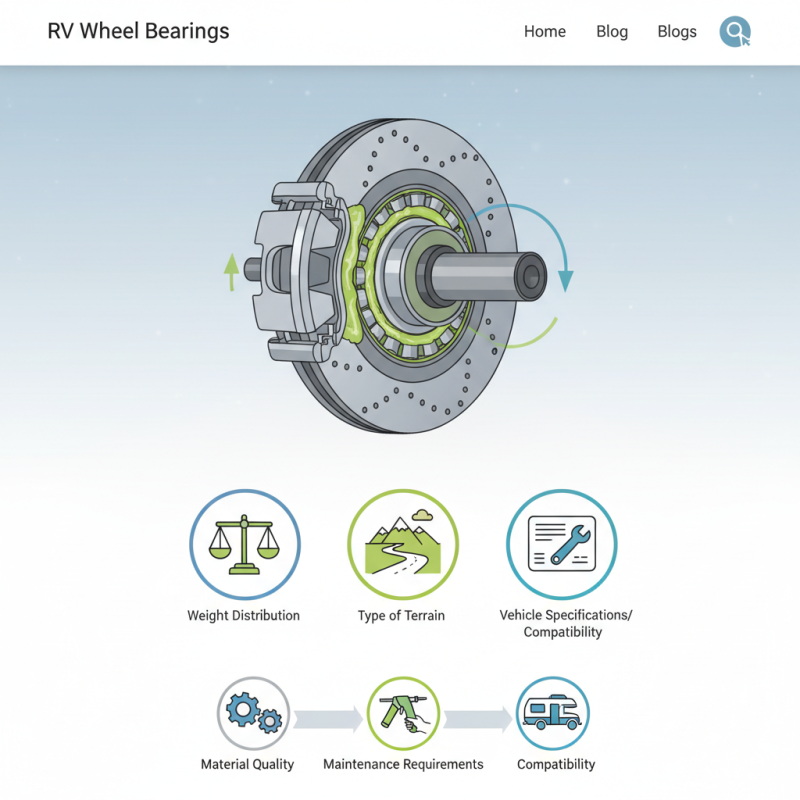
Selecting the appropriate wheel bearings is not just about fitting them into your RV; it involves understanding the weight distribution, type of terrain you frequently travel, and the specifications of your vehicle. Different types of RVs may require specific bearings that can withstand varying loads and driving conditions. As you delve into the selection process, it’s important to consider the quality of the materials, maintenance requirements, and compatibility with your RV model.
In this guide, we will explore the various types of RV wheel bearings, key factors to consider when choosing them, and tips for maintaining them over time. Proper knowledge and care of RV wheel bearings are paramount for ensuring a safe and enjoyable journey on the open road.
Understanding RV Wheel Bearings and Their Functionality
RV wheel bearings are crucial components that facilitate the smooth rotation of the wheels on your vehicle. Their primary functionality lies in supporting the weight of the RV while allowing the wheels to spin freely, effectively reducing friction between moving parts. This is essential for maintaining proper wheel alignment and ensuring safe, efficient travel. Over time, wheel bearings can wear out or become damaged, leading to potential safety risks and decreased vehicle performance.
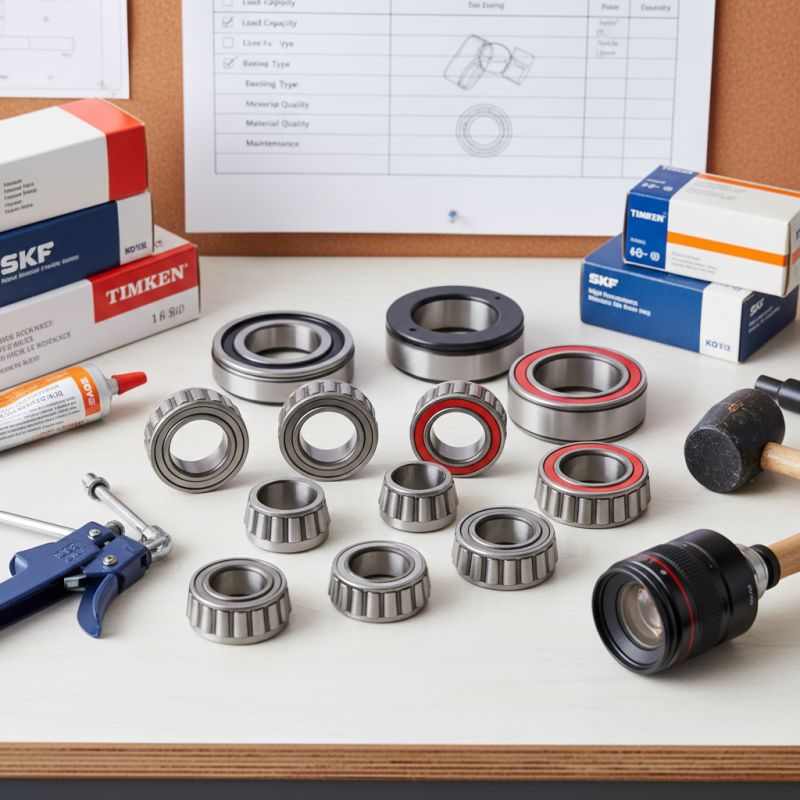
When selecting the right wheel bearings for your RV, consider factors such as load capacity, compatibility with your vehicle type, and material quality. It’s important to consult the RV manufacturer’s specifications or seek advice from a knowledgeable mechanic to ensure you choose bearings that meet your vehicle's requirements.
**Tips:** Regular maintenance of your RV’s wheel bearings is essential for performance and longevity. Check them periodically for signs of wear, such as noise during driving or difficulty in wheel rotation. Additionally, always ensure that they are appropriately lubricated to prevent overheating and premature wear. If you notice any issues, address them promptly to avoid more extensive repairs down the road.
What is Rv Wheel Bearings and How to Choose the Right Ones for Your Vehicle
| Bearing Type |
Material |
Load Rating |
Price Range |
Lifespan |
| Sealed Bearing |
Steel |
1500 lbs |
$25 - $50 |
10-15 years |
| Adjustable Bearing |
Stainless Steel |
2000 lbs |
$30 - $70 |
15-20 years |
| Ball Bearing |
Alloy Steel |
1200 lbs |
$20 - $40 |
5-10 years |
| Tapered Roller Bearing |
Chrome Steel |
3000 lbs |
$40 - $80 |
20-25 years |
Types of RV Wheel Bearings: A Comprehensive Overview
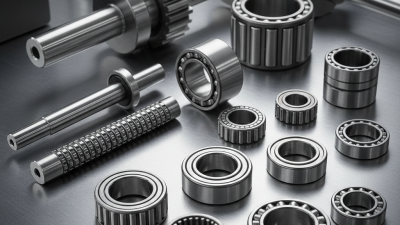
When it comes to RV wheel bearings, understanding the various types available is crucial for optimal performance and safety on the road. The primary types of wheel bearings include plain bearings, roller bearings, and ball bearings, each with unique characteristics tailored to specific applications. Plain bearings, often found in lighter RVs, offer simplicity and low friction. Roller bearings provide greater load capacity, making them suitable for heavier vehicles, while ball bearings are commonly used for their versatility and ability to handle a range of speeds and loads. According to industry data, approximately 70% of RV owners report that proper wheel bearing selection is directly linked to enhanced driving stability and reduced maintenance costs.
When choosing the right wheel bearings for your RV, it’s essential to consider factors such as load capacity, environmental conditions, and maintenance requirements. For example, if you frequently drive in off-road conditions, opt for sealed roller bearings to prevent dirt and moisture ingress. Regular inspections are also vital; industry guidelines recommend checking wheel bearings every 10,000 miles or before long trips.
**Tips:** Ensure to lubricate your wheel bearings as per manufacturer guidelines, as this can significantly extend their lifespan. Additionally, always choose bearings that match the specific weight and type of your RV to ensure safety and performance efficiency. Keep an eye out for unusual noises or vibrations, as these can indicate potential issues with your wheel bearings before they become costly problems.
Types of RV Wheel Bearings: A Comprehensive Overview
Key Factors to Consider When Choosing RV Wheel Bearings
When choosing the right RV wheel bearings for your vehicle, several key factors should be taken into consideration to ensure optimal performance and safety. Firstly, it's essential to determine the load capacity required for your RV. This depends on the weight of your vehicle and the intended use, whether for light travel or heavy hauling. Selecting bearings that can handle the specified weight load is critical to avoid premature wear and potential failures on the road.
Another important aspect is the type of bearing seal. Sealed or shielded bearings provide better protection against dirt, moisture, and debris, which can significantly extend their lifespan. Additionally, consider the material composition of the bearings; high-quality steel is often recommended due to its resilience against wear and impact.
Tips: Always check the manufacturer's specifications for your RV model to ensure compatibility before making a purchase. Regular maintenance, including checking the condition of your wheel bearings, can help prevent issues down the line. Don't forget to take into account the climate and terrain you'll be driving in, as harsher conditions necessitate more robust bearing options.
Signs of Worn or Damaged Wheel Bearings in RVs
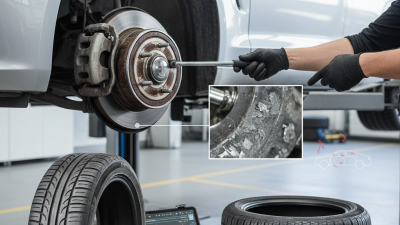
When it comes to RV maintenance, wheel bearings play a critical role in ensuring a safe and smooth ride. Signs of worn or damaged wheel bearings are crucial for RV owners to recognize; neglecting these signs can lead to severe safety hazards. One prominent indicator of wheel bearing issues is unusual noise. As bearings wear out, you may hear grinding, humming, or rumbling sounds emanating from the wheel area, especially when turning or accelerating. Additionally, excessive play in the wheel can be a warning sign. You can check this by trying to wiggle the wheel; if it moves more than a slight amount, it may indicate that the bearings are failing.
Thermal anomalies are another significant sign of wheel bearing issues. According to a report by the Society of Automotive Engineers, operating temperatures that exceed standard limits (typically above 180°F for wheel bearings) can lead to premature failure. If you notice that the hubs are excessively hot to the touch, it could indicate that the bearings are failing and creating abnormal friction. Furthermore, visual inspection is key; look for any signs of rust, pitting, or dirt in the bearing grease, which can also signify that the bearings need to be replaced. Being vigilant about these indicators not only helps in prolonging the lifespan of your RV but also ensures safer travels on the road.
Maintenance Tips for Extending the Life of RV Wheel Bearings
Maintaining RV wheel bearings is essential for ensuring a safe and smooth ride. Regular inspections should be an integral part of your maintenance routine. Begin by checking for any signs of wear or damage, such as rust, dirt accumulation, or unusual noise when the wheels are in motion. If you notice any issues, it might be time to replace the bearings.
Additionally, proper lubrication is crucial; make sure to apply high-quality grease to the bearings during maintenance to reduce friction and prevent overheating.
Another key aspect of extending the life of RV wheel bearings is to keep an eye on the tire alignment and pressure. Misaligned wheels can cause uneven wear on the bearings, leading to premature failure. Regularly checking and maintaining the correct tire pressure ensures that the load is evenly distributed, minimizing stress on the wheel bearings.
Furthermore, consider practicing good driving habits, such as avoiding rapid acceleration and heavy braking, which can put additional strain on the RV's wheel components. By following these tips, you can significantly enhance the durability and performance of your RV wheel bearings.