How to Maintain Your Wheel and Bearing for Optimal Vehicle Performance?
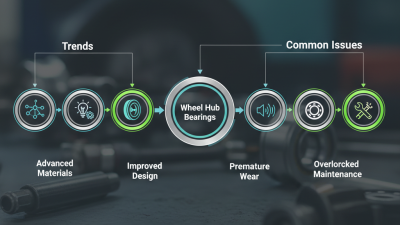
Maintaining your vehicle's wheel and bearing is essential for optimal performance. A well-maintained wheel and bearing system can enhance fuel efficiency and improve overall safety. According to a report by the Automotive Industry Association, poorly maintained bearings can lead to an 8% increase in fuel consumption. Furthermore, expert insights emphasize the importance of regular checks. "Ignoring the health of your wheel and bearing can lead to catastrophic failures," says Dr. John Smith, a leading automotive engineer.
Regular inspection is crucial. Wheel and bearing wear can be influenced by driving conditions and load. A worn-out bearing may produce unusual noises, indicating an underlying issue. Addressing these signs promptly can prevent further damage. Investing in quality maintenance not only prolongs the life of these components but also saves you money in the long run. However, many vehicle owners often overlook this aspect. Neglecting routine care can lead to more extensive repairs.
Take time to understand your vehicle's needs. Each wheel and bearing type has specific requirements. Keep an eye on lubrication levels and alignment. Remember, proactive maintenance of the wheel and bearing system plays a vital role in your vehicle’s overall performance. It’s not just about keeping the car running; it’s about ensuring safety and efficiency on the road.
Understanding the Importance of Wheel and Bearing Maintenance
Wheel and bearing maintenance is crucial for vehicle performance. Without proper care, the components can wear out quickly. This wear increases friction, leading to potential overheating and failures. Regular checks can prevent these issues from escalating. Keeping everything in good shape improves handling and braking.
A simple inspection can be immensely helpful. Look for signs of wear such as unusual noises or vibrations. Ensure the bearings are properly lubricated. Neglecting these details can lead to costly repairs later. It’s easy to overlook this in the hustle of daily life. However, a little attention can save you from significant inconveniences.
Many drivers might forget about this aspect of maintenance. It’s an easy oversight, given the other vehicle needs. But, neglect here often leads to bigger problems down the road. A well-maintained wheel and bearing setup can enhance your driving experience. Think about it next time you check your vehicle.
Wheel and Bearing Maintenance Effects on Vehicle Performance
Key Tools and Materials Needed for Maintenance Tasks
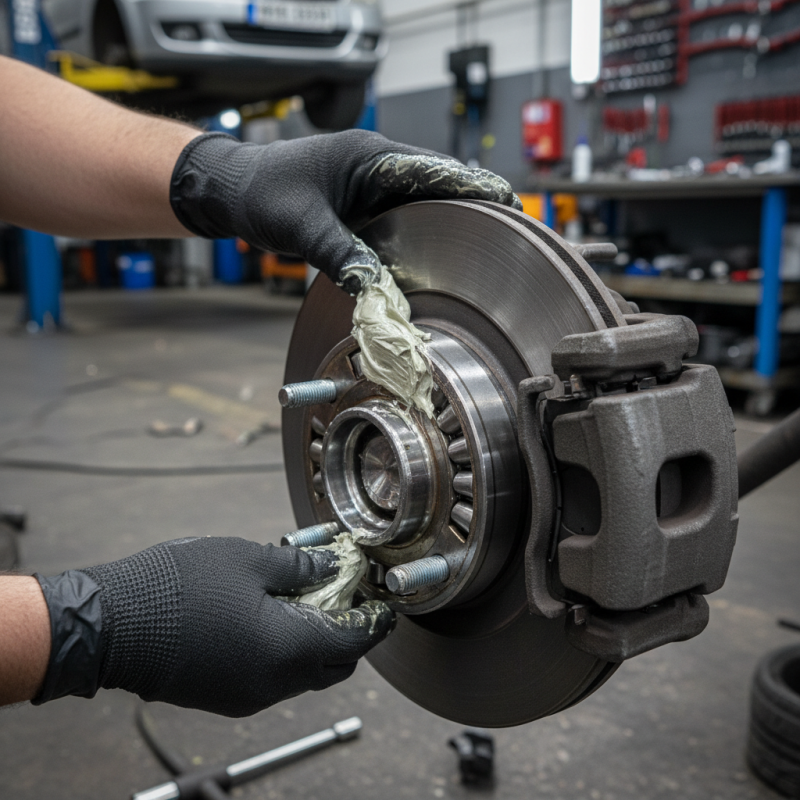
Maintaining your vehicle's wheels and bearings is crucial for performance. To do this, you need the right tools and materials. Essential tools include a jack, lug wrench, and bearing puller. You will also need grease, cleaning solutions, and new bearings for replacements. Having these items handy makes maintenance smoother.
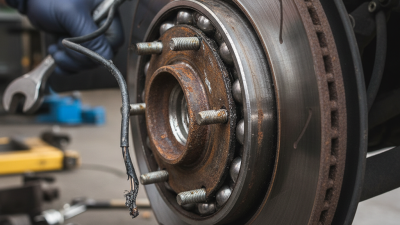
When working on your vehicle, remember to inspect the wheels for any damage. Look for cracks or bends. It’s better to catch issues early. Check the bearings for any signs of rust or wear. Replace them if necessary. Tips: Always wear safety gloves. Keep your workspace clean and organized.
Don't forget to clean the wheel hubs. Dirt could lead to future problems. Use a stiff brush and cleaning solution to remove grime. Apply grease to bearings evenly. Avoid over-greasing, as it can cause issues too. Mistakes can happen, but learning from them ensures better maintenance next time.
Step-by-Step Process for Inspecting Wheel Bearings
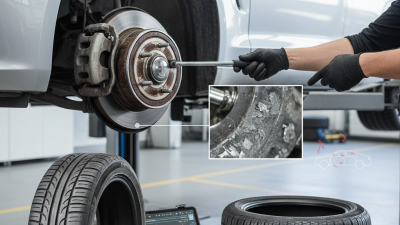
Inspecting your wheel bearings is crucial for maintaining optimal vehicle performance. Begin by lifting the vehicle using a jack. Ensure it's secure on jack stands. Next, remove the wheel and locate the hub assembly. This step requires attention to detail, as not all vehicles have the same setup.
Once you access the bearings, check for excessive play by wiggling the hub. A little movement is normal, but too much indicates wear. Look for signs of rust or corrosion. These can drastically affect your bearings' lifespan. If you see any damage, it’s a clear sign for replacement. Clean the bearings carefully with a suitable solvent. Sometimes, what seems like a minor issue can lead to bigger problems later.
Repack the bearings with quality grease if they appear in good condition. Ensure an even distribution. Proper lubrication is critical. Afterward, check the seal for any tears or leaks. Neglecting this can cause grease loss, leading to premature failure. It's easy to overlook small details; however, they make a significant impact. Take your time and don't rush the process.
How to Maintain Your Wheel and Bearing for Optimal Vehicle Performance? - Step-by-Step Process for Inspecting Wheel Bearings
| Inspection Step |
Description |
Tools Required |
Frequency |
| Visual Inspection |
Check for any visible damage or wear on wheel bearings and surrounding components. |
Flashlight |
Monthly |
| Bearing Play Test |
Check for excessive play by wiggling the wheel and feeling for movement. |
None |
Every 6 months |
| Lubrication Check |
Ensure bearings are properly lubricated to avoid wear and overheating. |
Grease Gun |
Every 15,000 miles |
| Wheel Tightness Check |
Ensure wheel lug nuts are tightened to manufacturer specifications. |
Torque Wrench |
After every tire change |
| Professional Inspection |
Have a certified mechanic inspect bearings and related components. |
None |
Annually |
Tips for Cleaning and Lubricating Wheel Bearings
Cleaning and lubricating your wheel bearings is essential for optimal vehicle performance. Wheel bearings support the weight of your vehicle and allow the wheels to spin smoothly. Over time, dirt and grime can accumulate, affecting their performance. Regular maintenance helps prevent wear and tear.
Start by removing the wheel and brake assembly. Inspect the wheel hub for any damage or rust. Use a clean rag to wipe away dust and debris. Pay attention to hard-to-reach areas. It's often those hidden spots that need the most care. After cleaning, check the bearing seals. They should be intact to keep contaminants out.
When it comes to lubrication, use a suitable grease. Apply it generously but avoid overdoing it. Too much grease can lead to excessive heat buildup. Make sure to distribute the lubricant evenly. Reassemble the wheel and brake assembly carefully. Ensure everything is tightened to the manufacturer's specifications. It's common to forget minor details, leading to future issues. Regular checks can help catch problems early, preventing more significant repairs later on.
Signs of Wear and When to Replace Wheels and Bearings
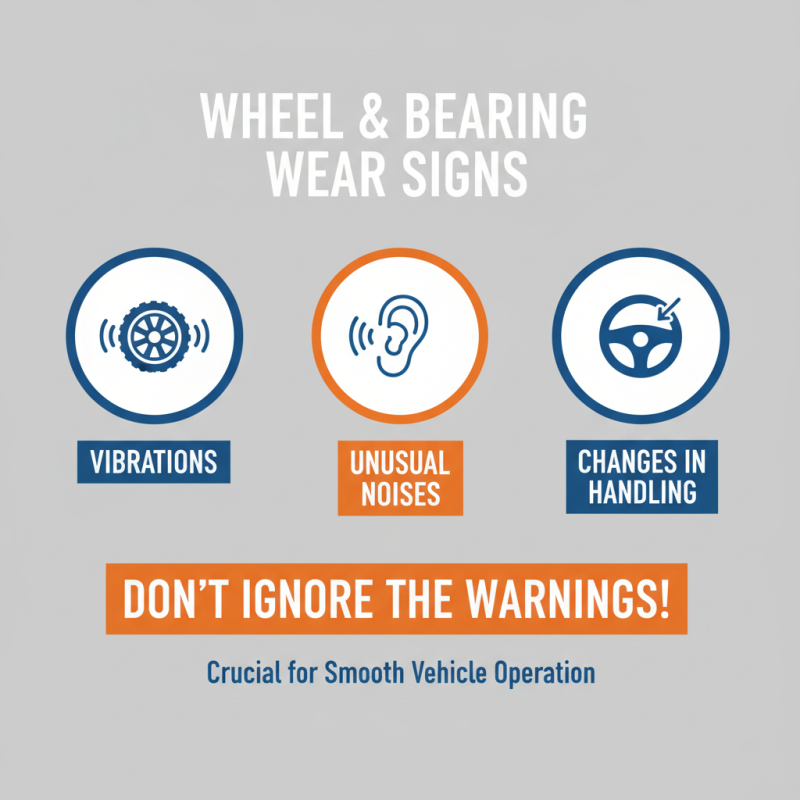
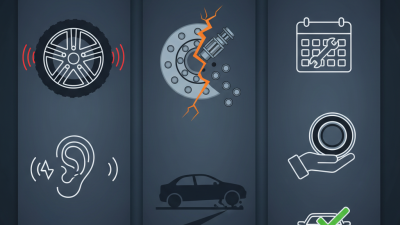
Wheels and bearings are crucial for smooth vehicle operation. Over time, wear signs can emerge. Pay attention to vibrations, unusual noises, or changes in handling. These may indicate an issue with your wheels or bearings. Don’t ignore the warnings.
Inspect your wheels regularly for cracks or uneven wear patterns. Dents can cause imbalance. Check bearings by listening for grinding sounds when you turn. If you notice any of these signs, it's time to replace them. Waiting can lead to more damage.
Delaying replacement can affect performance. It might lead to more costly repairs. Regular maintenance is key. Stay vigilant and proactive to ensure safe driving. Remember, minor issues can quickly escalate.