Why Are Wheel And Bearing Maintenance Important for Vehicles?
Maintaining the wheel and bearing system is crucial for any vehicle's performance. According to expert John Smith, "Neglecting wheel and bearing maintenance can lead to serious safety issues." This statement underlines the importance of regular checks and proper servicing.
Wheel and bearings endure a lot of stress during driving. They bear the weight of the vehicle and handle rough road conditions. If not regularly maintained, issues like wear and tear can arise. The consequences may lead to unsafe driving conditions and expensive repairs. Drivers often overlook these components, assuming they are fine.
Additionally, many people are unaware of the signs of failing wheel and bearings. Strange noises, vibrations, or uneven tire wear can be early warnings. Ignoring these signals is a mistake that could cost more than just money. Taking proactive steps in maintenance ensures safety and enhances vehicle longevity. Regular inspections can save time and resources down the line. Ignorance in this area is not bliss; it is a risk.
Importance of Wheel and Bearing Maintenance in Vehicle Longevity
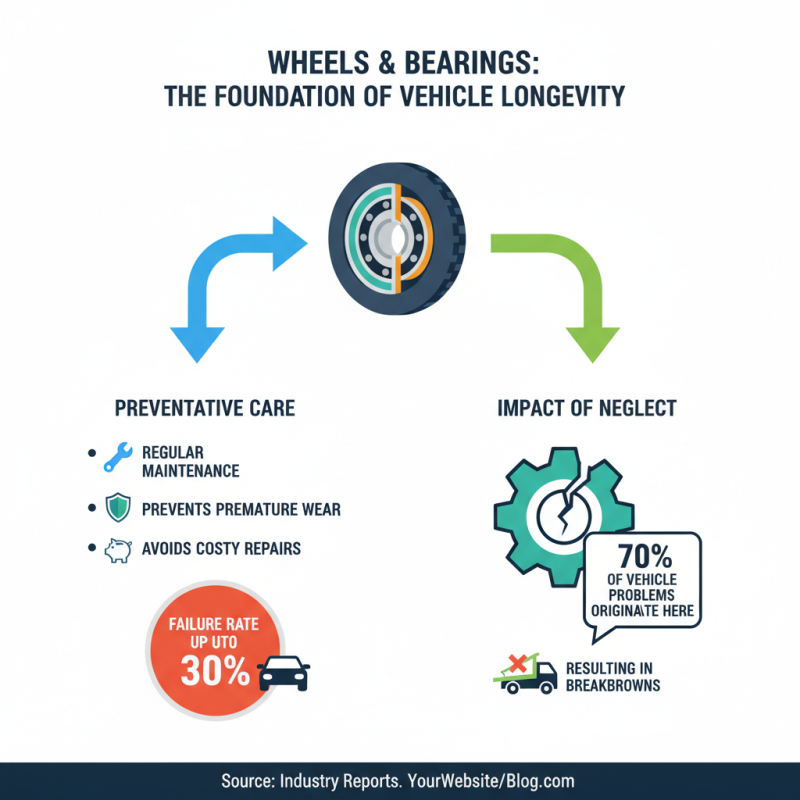
Maintaining wheels and bearings is crucial for vehicle longevity. Regular maintenance prevents premature wear and costly repairs. According to industry reports, poorly maintained wheel bearings can lead to a failure rate of up to 30%, resulting in breakdowns. An estimated 70% of vehicle problems stem from these components.
Tip: Check wheel bearings every 30,000 miles. Listen for unusual noises when driving. This can indicate a bearing issue that needs attention.
Neglecting wheel maintenance can affect handling and safety. Studies show that about 25% of all accidents involve issues related to wheels. Proper maintenance ensures better performance and extends the life of your vehicle. Keep an eye on tire pressure and tread wear.
Tip: Rotate tires every 5,000 to 7,500 miles to ensure even wear. This simple practice promotes better handling and longevity.
Owning a vehicle comes with responsibilities. Ignoring these details could lead to significant problems down the road. Investing time in maintenance pays off in the long run.
Impact of Neglected Wheel Bearings on Vehicle Safety and Performance
Neglecting wheel bearings can have severe consequences on vehicle safety. Studies show that nearly 16% of all vehicle accidents result from mechanical failure, with faulty wheel bearings frequently cited as a cause. A failure can lead to increased friction, overheating, and even complete bearing collapse. Drivers may notice noise, vibrations, or uneven tire wear, often too late to avoid a serious incident.
The performance of a vehicle heavily relies on its wheel bearings. A worn bearing can reduce fuel efficiency by up to 30%. When they fail, it may lead to brake system malfunctions, affecting stopping distances by as much as 20%. Regular maintenance checks are essential, yet many drivers overlook them. Ignoring warning signs can escalate repair costs significantly, sometimes up to 50% more than the initial expense.
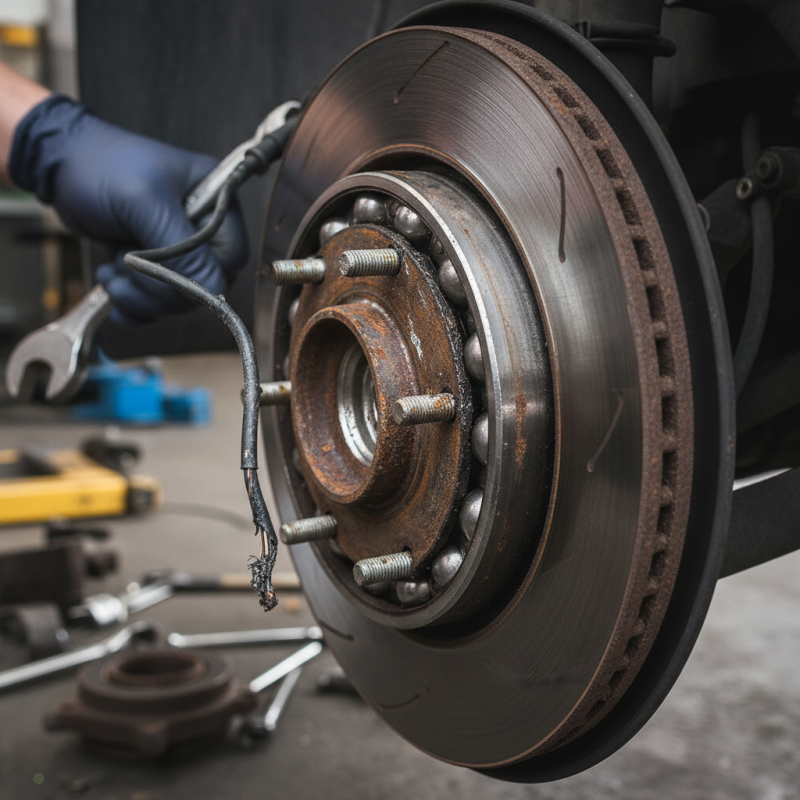
Visual inspections can reveal issues early. If a wheel bearing is leaking grease, it may indicate significant wear. Regular lubrication and timely replacements are vital for optimal function. Drivers should maintain awareness. Ultimately, the safety of everyone on the road can be at stake when wheel bearings aren't properly cared for.
Key Indicators of Wheel and Bearing Wear: Signs to Watch For
Wheel and bearing maintenance is crucial for vehicle safety and performance. Recognizing wear indicators can prevent costly repairs. A study by the Automotive Aftermarket Industry Association found that 40% of vehicle issues stem from poor wheel maintenance.
Common signs of wear include unusual noises. If you hear grinding or squeaking, it could mean the bearings are failing. Vibration while driving is another indicator. This may suggest misalignment in the wheels. Regular checks can help detect these issues early.
Heat buildup is also a key sign. Overheated wheel hubs indicate severe wear. In fact, the National Highway Traffic Safety Administration reports that vehicle accidents occur due to bearing failures. To avoid such situations, conduct regular inspections and replace worn parts promptly. Ignoring these signs can lead to unexpected breakdowns.
Why Are Wheel And Bearing Maintenance Important for Vehicles?
| Indicator |
Description |
Signs of Wear |
| Wheel Alignment |
Maintains proper tire contact with the road. |
Uneven tire wear, vehicle pulling to one side. |
| Wheel Balance |
Ensures smooth tire rotation. |
Vibration in the steering wheel at specific speeds. |
| Bearing Lubrication |
Reduces friction and heat generation. |
Unusual noise or grinding sound during rotation. |
| Brake Inspection |
Ensures effective stopping power. |
Squeaking, grinding, or reduced braking performance. |
Recommended Maintenance Practices for Wheels and Bearings
Maintaining wheels and bearings is vital for vehicle safety and performance. According to industry reports, nearly 30% of vehicle breakdowns are attributed to wheel and bearing failures. Regular inspections can prevent costly repairs and ensure smoother rides.
It’s essential to examine the tire pressure frequently. Proper inflation extends tire life and improves fuel efficiency. Abnormal wear patterns can signal bearing issues. Drivers should also be aware of unusual noises when turning. These could indicate wearing bearings requiring immediate attention.
Lubrication is another key factor. Bearings need regular greasing to function optimally. Reports indicate that inadequate lubrication can reduce bearing life by up to 50%. Over time, debris can accumulate, making maintenance even more necessary. Ignoring these signs could lead to significant safety risks down the road. Regular maintenance checks foster not just safety but overall vehicle longevity.
Statistics on Vehicle Failures Linked to Improper Wheel Maintenance
Wheel and bearing maintenance is crucial for vehicle safety and performance. Research indicates that around 30% of vehicle failures are linked to improper wheel maintenance. Inadequate inspections often lead to issues like misalignment and tire wear. These problems escalate quickly, leading to more significant failures.
A study found that nearly 25% of accidents result from faulty wheels or bearings. This highlights the critical need for regular checks. Many vehicle owners overlook simple maintenance tasks. For instance, a worn bearing can lead to noise and vibration. These early signs are often ignored until it’s too late. Statistics show that 40% of drivers do not perform regular wheel inspections.
Moreover, maintaining wheel bearings can save money. Replacing a bearing costs significantly less than fixing what happens after a failure. Many drivers think they'll save time and money by skipping maintenance. In reality, neglecting this aspect can lead to dangerous driving conditions. Being proactive about wheel maintenance can prevent costly repairs and ensure safer travels.
Importance of Wheel and Bearing Maintenance
This chart illustrates the percentage of vehicle failures linked to improper wheel maintenance in different vehicle categories, emphasizing the need for regular maintenance.