Why Are Pillow Bearings Essential for Industrial Applications?
In the world of industrial machinery, the importance of Pillow Bearings cannot be understated. These components play a crucial role in reducing friction and facilitating smooth motion. According to Dr. Emily Carter, a leading expert in the field: "Pillow Bearings are the unsung heroes of industrial applications." They often endure harsh conditions, yet their performance remains vital.
Pillow Bearings allow machines to operate efficiently. They support rotating shafts, minimizing wear and tear. This ultimately enhances machine longevity. However, their quality can vary significantly. Some manufacturers cut corners, leading to unexpected failures. Regular maintenance and proper selection are essential to ensure optimal performance.
Despite their significance, many industries overlook the need for quality Pillow Bearings. It’s a common oversight that can lead to costly breakdowns. Investing in high-grade materials ensures precision and reliability. Choosing the right Pillow Bearing is more than just a technical decision; it reflects a commitment to operational excellence. The future of industrial applications depends on recognizing their value.
Understanding Pillow Bearings: A Comprehensive Overview
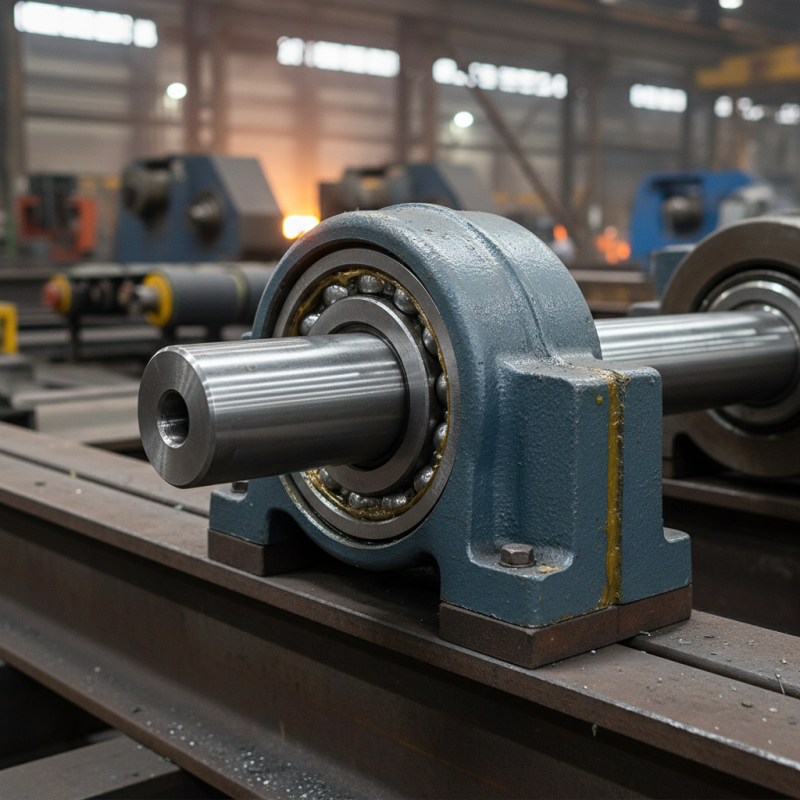
Pillow bearings play a critical role in various industrial applications. These components allow smooth rotation of shafts and support heavy loads. They are designed to accommodate misalignment and reduce friction. Often, they are seen in conveyor systems, pumps, and industrial fans.
A pillow bearing consists of a housing and a bearing insert. These parts work together to provide stability and reliability. Users may encounter challenges with installation. Misalignment can lead to premature wear, requiring careful alignment during setup. Proper lubrication is crucial for performance. Without it, bearings can fail, impacting overall machine efficiency.
Understanding pillow bearings helps in selecting the right type. There are different materials and designs available, each serving a unique purpose. It's important to conduct regular inspections. This proactive approach can prevent costly breakdowns and extend the lifespan of machinery. Each application demands specific features; hence, understanding variations is essential for optimal function.
The Role of Pillow Bearings in Machinery and Equipment
Pillow bearings play a crucial role in machinery and equipment. They provide support to rotating shafts and ensure smooth operation. These bearings reduce friction between the shaft and its housing. This reduction in friction leads to increased efficiency and longer operational life for the machinery.
One key advantage of pillow bearings is their ease of installation. Users can quickly replace worn-out bearings with minimal downtime. However, improper installation may cause alignment issues. This can lead to vibration and premature failure. Ensuring correct alignment requires careful attention during installation.
Tips: Always check the shaft alignment before installation. Regular maintenance is essential for longevity. Inspect for signs of wear and tear frequently. A little preventive care goes a long way.
In industrial settings, different environments can affect bearing performance. Dust and moisture can accelerate wear. It's vital to choose pillow bearings designed for specific conditions. Be cautious about overloading the bearings, too. Excessive loads can compromise their lifespan. Keeping an eye on these details is important for operational success.
Benefits of Using Pillow Bearings in Industrial Settings
Pillow bearings play a vital role in industrial settings. They support rotating shafts and reduce friction. This can lead to increased efficiency in machinery. When used correctly, they can prolong the lifespan of equipment. High loads and adverse conditions can be challenging. Pillow bearings help manage those challenges effectively.
The benefits of pillow bearings are significant. They allow for easier installation and maintenance. This can save both time and money. In factories, equipment often deals with heavy workloads. Pillow bearings provide stability and alignment. This is crucial for smooth operation. Misalignment issues can lead to breakdowns, costing businesses dearly.
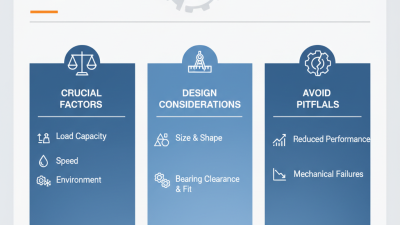
Industries also appreciate the versatility of pillow bearings. They come in various sizes and designs to meet specific needs. However, improper selection can hinder performance. It's essential to evaluate load capacities and environmental conditions. A misjudgment here can lead to frequent replacements. The potential for improvement remains, but it requires careful consideration.
Benefits of Using Pillow Bearings in Industrial Settings
Common Applications of Pillow Bearings in Various Industries
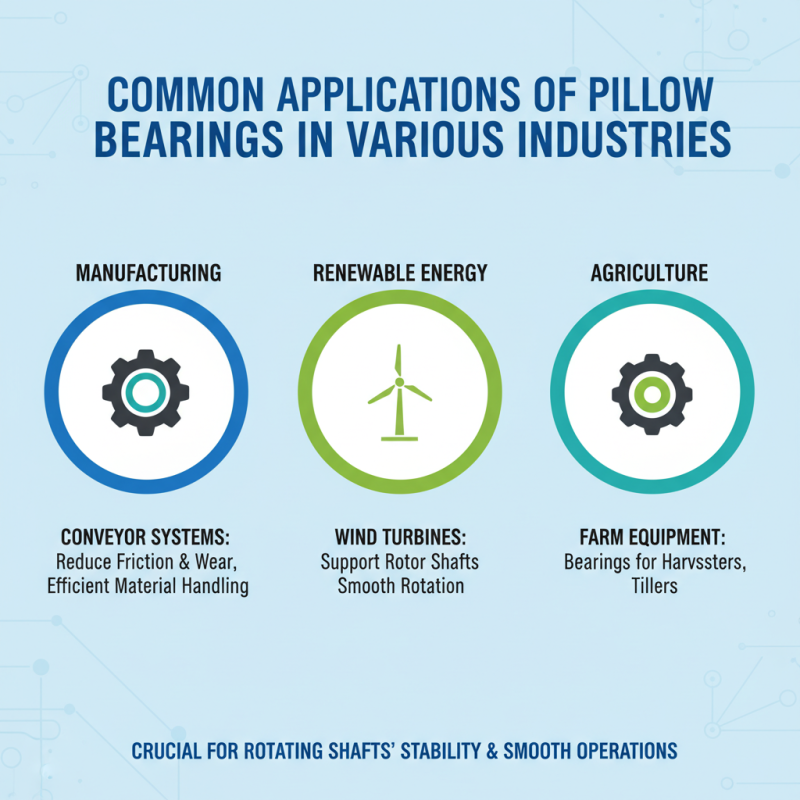
Pillow bearings are crucial components used across various industries. They provide support and stability for rotating shafts, making them essential for smooth operations. In manufacturing, pillow bearings are often found in conveyor systems. They help reduce friction and wear, allowing for efficient material handling.
In agriculture, these bearings support equipment like grain augers. Their robustness ensures reliable performance in demanding conditions. Pillow bearings also play a key role in HVAC systems. They help maintain the correct axial and radial alignment in fans and compressors.
However, not all applications utilize pillow bearings effectively. Sometimes, improper installation leads to early failures. Maintenance is often overlooked, which can cause significant downtime. It's important for industries to regularly inspect and replace worn bearings. This proactive approach can save both time and money in the long run.