How to Identify a Worn Wheel Bearing and Prevent Vehicle Damage?
Worn wheel bearings are often overlooked until they cause significant issues. According to industry expert John Stevens, "A worn wheel bearing can lead to serious safety hazards." This emphasizes the importance of identifying signs of wear early.
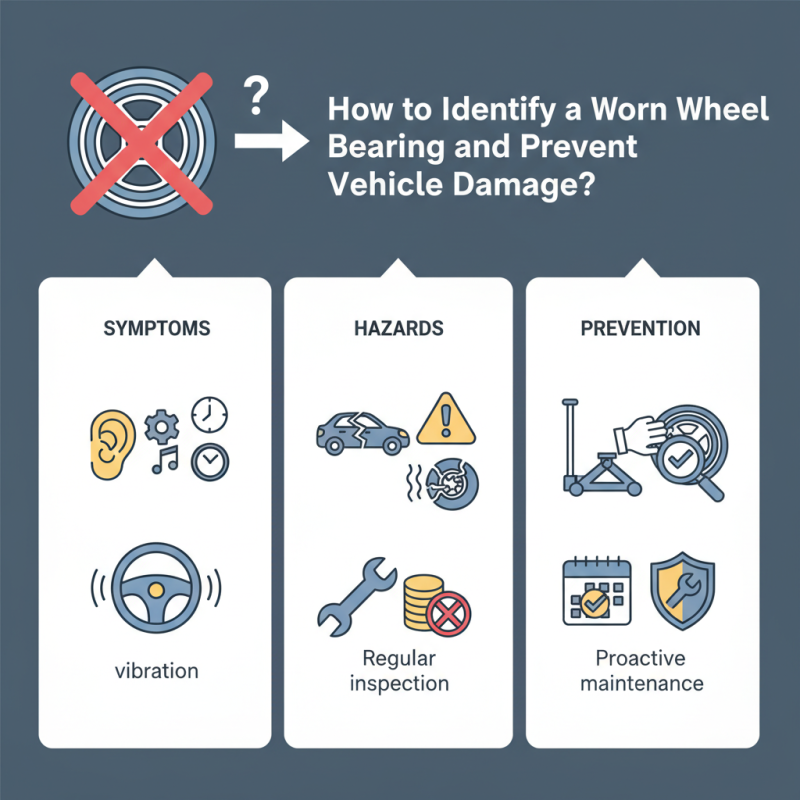
Typically, a worn wheel bearing may produce unusual noises. You might hear grinding, humming, or clicking sounds while driving. These sounds are often subtle at first, but they can escalate. Vibration in the steering wheel can also indicate a problem. Ignoring these symptoms can lead to more extensive vehicle damage.
Regular inspection is essential. Check for play in the wheel by jacking the vehicle and wiggling the tire. This proactive approach can save you costly repairs down the line. Remember, a small issue can turn into a major safety risk if not addressed.
Signs of a Worn Wheel Bearing to Look Out For
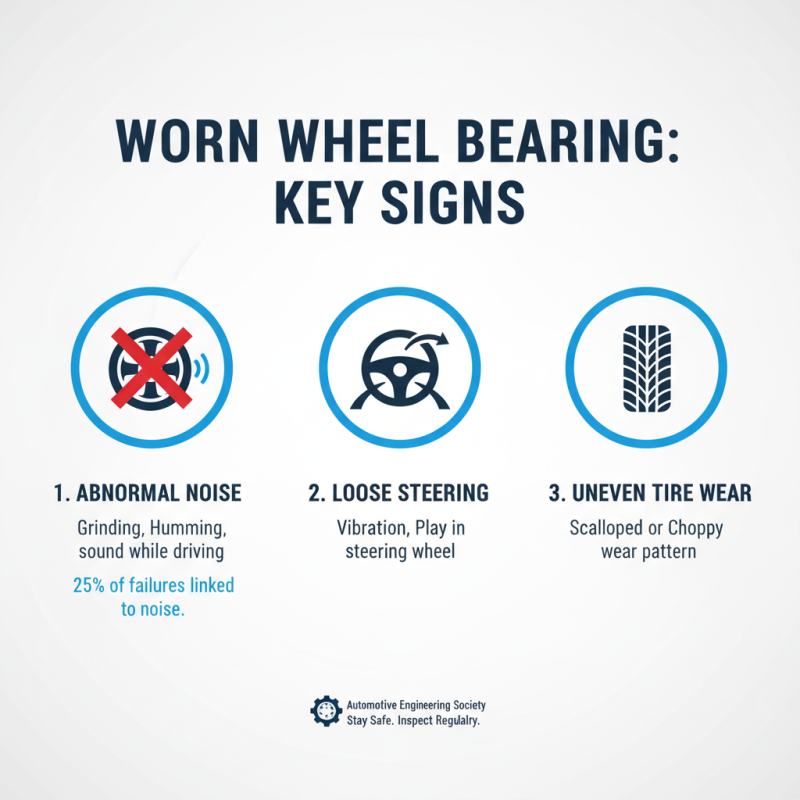
Identifying a worn wheel bearing is crucial. Drivers should watch for specific signs. A common symptom is abnormal noise. This can manifest as a grinding or humming sound while driving. According to the Automotive Engineering Society, around 25% of bearing failures are linked to noise issues.
Another indicator is vibration. If the steering wheel or vehicle body shakes, it might be time for inspection. Additionally, uneven tire wear can signal bearing problems. The National Highway Traffic Safety Administration reports that poor handling due to worn bearings contributes to nearly 15% of vehicle accidents.
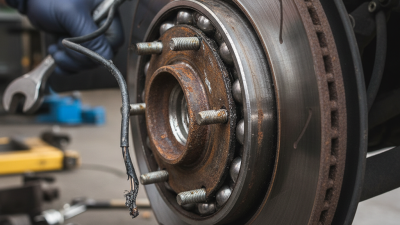
Visual inspection is also key. Check for rust or discoloration around the hub assembly. Moreover, excessive play in the wheel can reveal serious wear. Unfortunately, many drivers ignore these signs. They may not realize the potential for further damage. Repairing or replacing a wheel bearing can save hundreds in future expenses. It’s a small investment with big returns. Your safety relies on these attention-to-detail practices.
How Wheel Bearing Wear Can Lead to Vehicle Damage
Wheel bearings play a pivotal role in vehicle safety and performance. As they wear, the risks escalate. A worn wheel bearing can lead to poor handling, increased tire wear, and even catastrophic failure. Reports indicate that nearly 50% of automotive repairs related to brakes and suspension issues stem from unaddressed wheel bearing wear.
Signs of wear include grinding noises and uneven tire wear. Drivers often ignore these symptoms until it's too late. Extended wear can damage related components, like the axle or brake system. According to the National Highway Traffic Safety Administration, neglecting wheel bearing issues can increase repair costs by up to 75%.
Monitoring wheel bearing health is essential. Regular inspections can catch wear early. However, many drivers overlook this crucial maintenance area. Practicing proactive vehicle care can mitigate risks and enhance safety. Awareness is key in preventing future damages.
Steps to Inspect Your Wheel Bearings for Signs of Wear
Inspecting your wheel bearings regularly can save you from costly vehicle repairs.
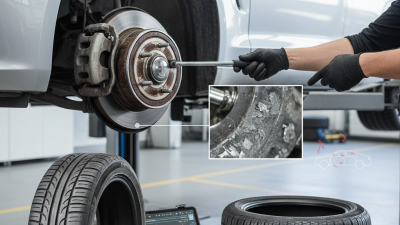
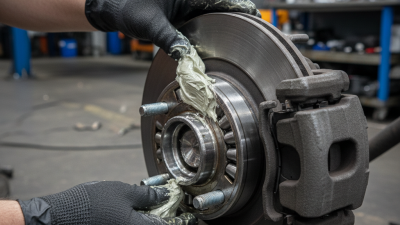
Start by lifting the vehicle securely with a jack. Then, remove the wheel. This direct access allows for a thorough inspection.
Check for visible signs of damage. Look for pitting, discoloration, or rust.
A worn bearing often shows these symptoms.
Next, spin the hub by hand. It should rotate smoothly. Any grinding noise or resistance could indicate wear.
Pay attention to the sound. A faint rumble could mean trouble. If you notice irregularities, it’s best to consult a professional.
Don’t overlook irregular vibrations while driving; they can signal bearing issues too.
Lastly, consider how you drive. Excessive turns and potholes can wear bearings down faster. Reflect on your driving habits.
Adjusting them may prolong the life of your wheel bearings. Regular maintenance is key,
but being proactive in inspection matters even more. Don't wait until it's too late.
Preventative Maintenance Tips for Extending Wheel Bearing Life
Regular maintenance is crucial for extending the life of your wheel bearings. Often overlooked, these parts play a key role in vehicle safety and performance. Check them periodically for signs of wear. Listen for unusual noises when driving. A low humming or grinding sound could signal a problem. If you notice it, inspect the bearings immediately.
Lubrication is essential for wheel bearings. Ensure they are well-greased during routine maintenance. Inadequate lubrication leads to friction and wear. Additionally, keep an eye on the condition of your suspension. Worn-out shocks can increase pressure on the bearings, causing damage over time. Replace any worn components to prevent excessive wear.
Road conditions can also affect wheel bearing health. Potholes, debris, and rough terrain exert more stress on your bearings. Drive cautiously in these areas and consider adjusting your route. Lastly, remember that even with preventive care, some bearings may still wear out. Regular checks will help catch issues early and prolong the life of this important component.
When to Seek Professional Help for Wheel Bearing Issues
When you suspect wheel bearing issues, knowing when to seek professional help is crucial. A worn wheel bearing can lead to serious problems. It may start with a faint humming sound or subtle vibrations. These signs often get worse over time. Ignoring them may result in more extensive damage to your vehicle.
If you notice any unusual noises when turning or feel increased resistance while driving, it's time to act. Don't wait until the issue escalates. A mechanic can diagnose the problem accurately. In some cases, the repair might be straightforward. In others, it could be more complex and require immediate attention. Your safety is paramount. A worn bearing can cause wheel failure, resulting in dangerous situations.
Regular vehicle maintenance can help prevent these issues. However, sometimes, even diligent care isn’t enough. It's essential to trust your instincts. If something feels off, don't hesitate to consult a professional. Keeping your vehicle in top shape is an ongoing process. Addressing concerns early can save you time and money in the long run.