Top Factors to Consider When Choosing Transaxle Bearings for Your Vehicle
Choosing the right transaxle bearings for your vehicle is crucial to ensuring optimal performance and longevity. As industry expert Dr. Robert V. Davis, a leading engineer in automotive components, aptly put it, “The efficiency of your vehicle largely depends on the quality and suitability of its transaxle bearings.” When selecting transaxle bearings, several key factors need consideration, including load capacity, material composition, and bearing design, all of which significantly impact your vehicle's driveability and maintenance costs.
Understanding the role of transaxle bearings in the drivetrain system is essential. These components facilitate the smooth transfer of power between the engine and the wheels, making their selection a pivotal aspect of automotive design and repair. With advancements in technology and materials, it is imperative to stay informed about the latest developments and best practices in transaxle bearing selection to optimize vehicle performance and reliability. A thorough evaluation of these factors will not only enhance driving efficiency but also prolong the lifespan of your vehicle, making it a wise investment in the long run.
Understanding Transaxle Bearings: Definition and Function
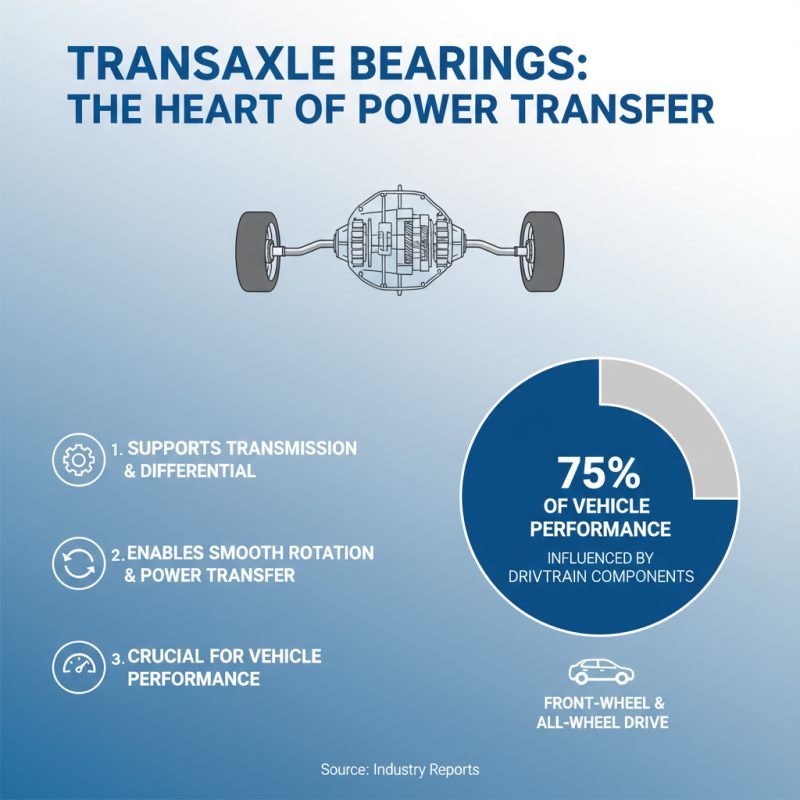
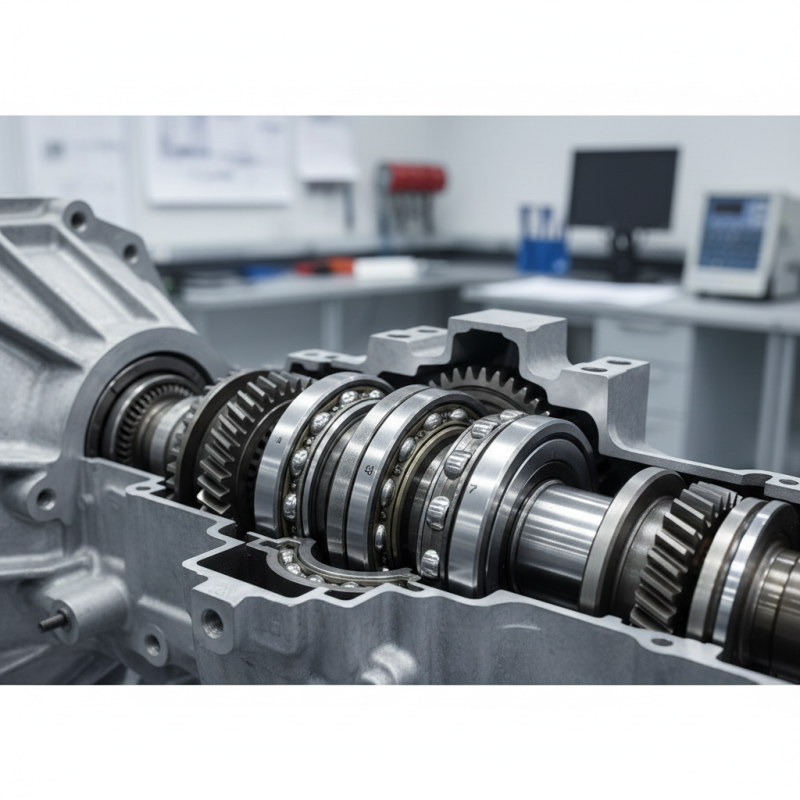
Transaxle bearings play a crucial role in the functionality of modern vehicles, particularly those equipped with front-wheel drive or all-wheel drive systems. These bearings are designed to support the transmission and differential components, allowing them to function efficiently while minimizing friction. Their primary function is to enable smooth rotational movement, which is vital for the effective transfer of power from the engine to the wheels. According to industry reports, an estimated 75% of vehicle performance is influenced by the drivetrain components, including transaxle bearings, underlining their importance in automotive engineering and design.
When selecting transaxle bearings, it's essential to consider several factors that can impact performance and longevity. The material composition, bearing load capacity, and resistance to wear and corrosion are all critical aspects that can influence the bearing's effectiveness. Studies indicate that bearings made from high-quality steel and incorporating advanced coatings can significantly improve fatigue life and operational efficiency. Additionally, proper alignment and installation can prevent premature failure, ensuring the safe operation of your vehicle.
Tips: Always consult the manufacturer's specifications when choosing transaxle bearings. Consider using precision tools for installation to maintain optimal alignment, which can extend the bearing's life. Regular maintenance checks can also identify wear before it becomes a significant issue, ensuring reliable vehicle performance.
Key Performance Characteristics of Transaxle Bearings to Evaluate
When selecting transaxle bearings for your vehicle, understanding key performance characteristics is critical to ensuring optimal functionality and longevity. One of the primary factors to evaluate is load capacity, which determines how much weight the bearing can withstand without failing. It's essential to match the load capacity of the bearing with the expected forces from the transmission system, as this directly impacts the performance of the vehicle during operation.
Another important characteristic is the bearing material, which affects both durability and resistance to wear. Bearings made from high-quality materials can significantly extend the lifespan of the transaxle, allowing for better handling of heat and friction. Additionally, the lubrication method should also be considered; whether the bearing is sealed, shielded, or open can influence maintenance requirements and operational efficiency. Proper lubrication reduces friction, which helps maintain performance under varying conditions and prolongs the life of the bearing.
Vibration and noise levels are also key factors to assess. High-quality transaxle bearings can minimize unwanted vibrations and sounds, contributing to a smoother driving experience. Evaluating these performance characteristics will help ensure that the chosen transaxle bearings meet the specific demands of your vehicle, leading to improved performance and reliability.
Materials and Durability Considerations for Transaxle Bearings
When selecting transaxle bearings for your vehicle, one of the most crucial aspects to consider is the materials used in their construction. Common materials include steel, ceramic, and polymer composites, each offering distinct advantages. Steel bearings are known for their strength and resistance to wear, making them ideal for high-load applications. On the other hand, ceramic bearings provide excellent heat resistance and lower friction, which can enhance overall vehicle performance. Polymer composites are becoming increasingly popular due to their lightweight nature and corrosion resistance, making them suitable for various environmental conditions.
Durability is another vital factor that cannot be overlooked. The lifespan of transaxle bearings largely depends on their ability to withstand stress, moisture, and contaminants. Bearings made from high-quality materials typically exhibit better fatigue resistance and can endure harsher driving conditions. Furthermore, coatings that provide additional protection from corrosion and wear can significantly enhance the durability of bearings, extending the intervals between necessary replacements. Therefore, ensuring that the chosen bearings meet the specific demands of your vehicle's operating conditions will lead to better performance and reliability over time.
Top Factors to Consider When Choosing Transaxle Bearings
Compatibility with Vehicle Make and Model: A Critical Factor
When selecting transaxle bearings for your vehicle, compatibility with your specific make and model is a critical factor that can greatly influence performance and longevity. Each vehicle has unique specifications based on its design, which means that the bearings must be able to accommodate these tailored requirements. Using bearings that are not compatible can lead to inefficiencies, improper fit, and increased wear and tear, ultimately affecting the overall functionality of the vehicle.
Additionally, understanding the specifications recommended for your vehicle can save you from future complications. Temperature ranges, load capacities, and dimensional accuracy are all crucial elements that should be considered. Mismatched bearings can increase the risk of failure and may necessitate costly repairs or replacements down the line. Thus, it is essential to refer to the manufacturer’s guidelines and consult with automotive professionals to ensure that the bearings you choose are engineered for your vehicle’s specific needs. By prioritizing compatibility, you're not only safeguarding your investment but also enhancing your vehicle's performance and reliability on the road.
Cost vs. Quality: Balancing Budget When Selecting Transaxle Bearings
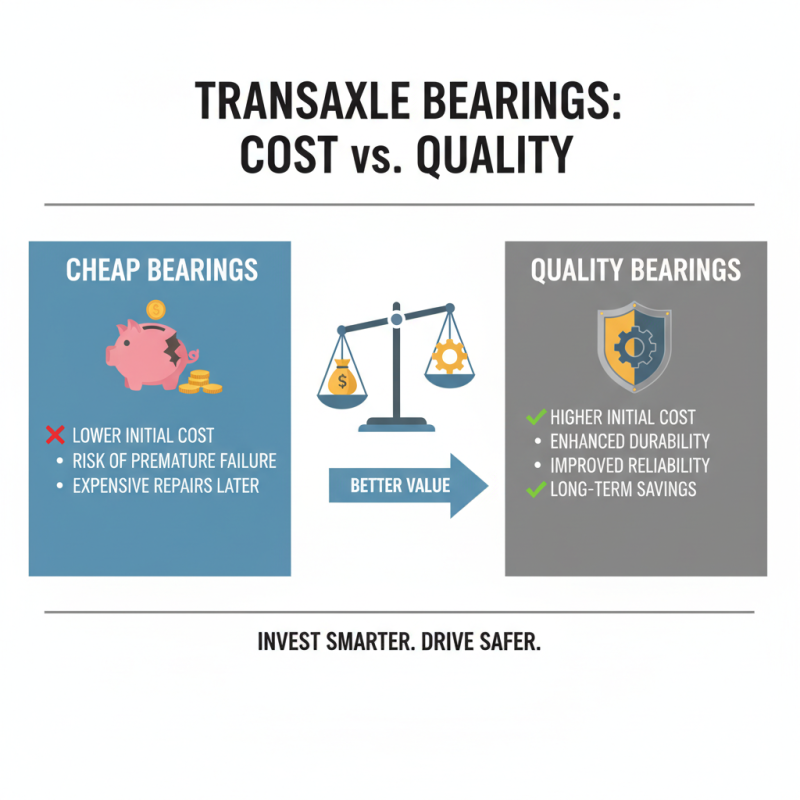
When selecting transaxle bearings for your vehicle, one of the primary considerations is finding the right balance between cost and quality. Cheap bearings may save you money upfront, but they often come with the risk of premature failure, which can lead to expensive repairs in the long run. Investing in high-quality bearings may strain your budget initially, but they typically offer enhanced performance, durability, and reliability. Understanding the long-term benefits of quality over cost is crucial in making an informed decision.
Tips for balancing your budget include conducting thorough research to understand the average costs of different bearing types and their performance ratings. Additionally, consider seeking out multi-purchase discounts or promotions from reputable suppliers. It can also be beneficial to consult automotive forums or communities where other vehicle owners share their experiences regarding specific bearing brands and types.
When you're ready to make a purchase, prioritize features such as load capacity, material quality, and manufacturing standards, as these characteristics significantly impact the bearing's longevity and function. An informed choice can lead to a better driving experience and ultimately save you money by reducing maintenance and replacement costs over time.