10 Essential Tips for Choosing the Right Tire Wheel Bearing
Choosing the right tire wheel bearing can significantly impact your vehicle's performance. As John Smith, a leading expert in automotive engineering, states, "The right bearing ensures smooth operation and extends the life of your tires." This highlights the importance of careful selection.
When selecting a tire wheel bearing, consider several factors. Quality matters; low-cost options may save money initially but lead to higher costs over time. A well-made bearing can enhance handling and safety. Look for reputable brands to ensure durability and performance.
In conclusion, understanding tire wheel bearings is essential. Many overlook the role they play in vehicle dynamics. When you prioritize quality over price, you invest in your vehicle’s future. Make informed decisions and keep your vehicle running smoothly.
Understanding the Importance of Tire Wheel Bearings in Vehicle Performance
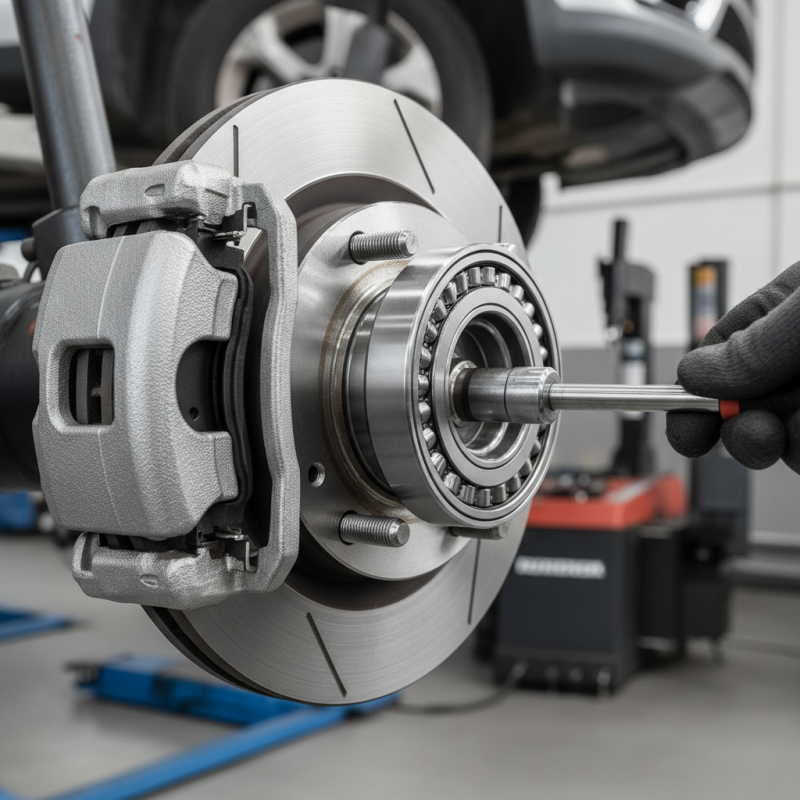
Tire wheel bearings play a crucial role in vehicle performance. They allow the wheels to rotate smoothly while supporting the weight of the vehicle. According to a report by the Society of Automotive Engineers, around 30% of all vehicle issues stem from wheel bearings. This highlights their significance in overall vehicle safety and efficiency.
When choosing the right tire wheel bearing, consider the load capacity. Each bearing type has a specific weight it can bear. Overloading can lead to premature failure. Also, examine the materials used. High-quality steel can improve durability and decrease wear over time.
Tip: Always check for signs of wear like noise or vibration. These can indicate that it’s time to replace your bearings. Additionally, pay attention to the manufacturer’s specifications for your vehicle. Mismatched bearings can lead to serious performance issues.
For optimal performance, routine maintenance is essential. Regular inspections can prevent costly repairs down the road. Remember, a small oversight can lead to major expenses. Keep your wheels turning smoothly.
Key Factors to Consider When Selecting Tire Wheel Bearings
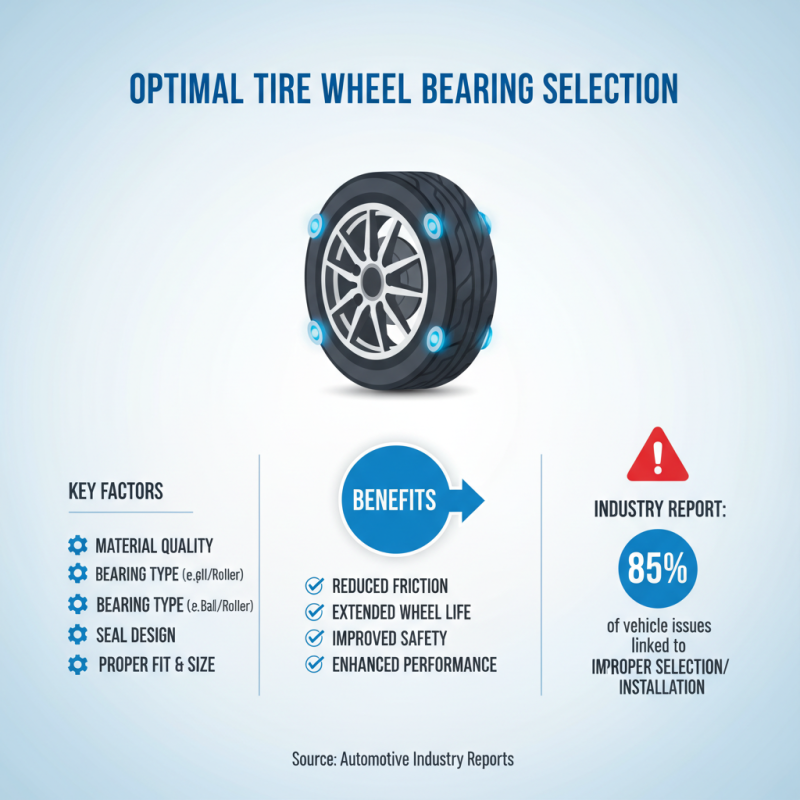
When selecting tire wheel bearings, several key factors play a crucial role. Understanding these elements can significantly improve performance and safety. The right bearings reduce friction and wear, potentially extending the lifespan of your vehicle's wheels. Industry reports indicate that 85% of vehicle issues are linked to improper bearing selection or installation.
Quality matters. Look for bearings made with high-grade materials. This ensures durability and performance under various driving conditions. You might find that some cheaper options fail quickly, leading to higher long-term costs. It's essential to assess the material specs carefully.
Regular maintenance is vital. Many users overlook this aspect. The lifespan of bearings can drastically decline without proper care. Studies suggest that regular inspections can catch issues before they escalate. For JIT (Just-In-Time) inventory approaches, consider a safety stock of bearings to avoid downtime. Also, ensure that you have the right tools for installation. Using incorrect tools can damage the bearing seat, leading to further complications.
Incorporate these tips into your selection process. Be knowledgeable and deliberate. Emphasize quality, maintenance, and proper tools. This proactive approach can make all the difference for your vehicle’s performance.
Comparing Different Types of Tire Wheel Bearings: Materials and Designs
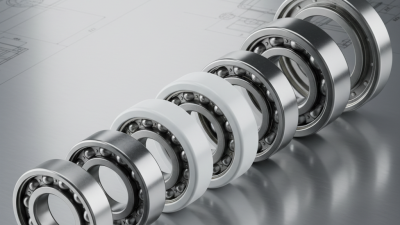
When selecting tire wheel bearings, understanding materials and designs is critical. There are several types available, each with distinct advantages and drawbacks. Common materials include steel and ceramic. Steel bearings are known for their strength and durability, making them popular in heavy-duty applications. Ceramic bearings, however, offer reduced weight and lower friction. A study by the Automotive Engineering Society indicates that ceramic options can improve efficiency by up to 15%.
Designs vary too. Angular contact bearings are ideal for high radial loads. They can handle both radial and axial stresses effectively. Deep groove ball bearings, on the other hand, are versatile and simple. They provide reliable performance in moderate load conditions. Awareness of these options can lead to better decisions during the selection process.
Tip: Always consider your specific driving conditions. If you frequently navigate rough terrain, opt for more robust materials. For urban driving, lightweight bearings may suffice. Another tip: Pay attention to sealing mechanisms. Well-sealed bearings prevent dirt and moisture, extending their lifespan significantly. Proper research is essential. Without careful comparison, one may overlook optimal choices. Make sure to weigh the pros and cons of each type before making a choice.
Comparing Different Types of Tire Wheel Bearings
This chart compares the performance characteristics of different types of tire wheel bearings based on material, design, and noise level.
Understanding Compatibility: Matching Bearings to Your Vehicle's Specifications
When choosing tire wheel bearings, understanding compatibility is crucial. Your vehicle has specific requirements that must be met. Each model has its own bearing size and design. Using the wrong one can lead to poor performance and safety issues. Ensure the bearings match your car's specifications exactly.
Checking load ratings is a smart move. Different vehicles require different load capacities. If you overload a bearing, it fails quicker. Don’t overlook the material type; some are designed for temperature extremes. A mismatch here could lead to premature wear.
Consider installation complexity. Some bearings are easier to replace than others. If you're unsure about the installation, seek guidance. Also, think about the climate in your area. Bearings perform differently in varying weather conditions. Ensuring you have the right fit can save you time and money in the long run. Always refer to your vehicle’s manual for guidance. It could save you from a costly mistake.
Maintenance Tips for Prolonging the Life of Tire Wheel Bearings
Tire wheel bearings play a crucial role in vehicle performance. Regular maintenance can enhance their lifespan significantly. Inspecting your wheel bearings is a good habit. Check for any unusual noises when driving. This can be an indication of wear. Pay attention to vibrations or the steering feel. These signs can lead to further issues if ignored.
Keep your bearings lubricated. Quality grease can make a big difference. This reduces friction and heat, preventing premature failure. Be cautious not to over-lubricate, as this may attract dirt. Clean your bearings during maintenance. Dirt and grime can cause damage. Replacing old seals can help keep contaminants out.
Store your vehicle properly if it won’t be used for a while. Parking on level ground can relieve strain on your bearings. Keep them dry and away from harsh weather conditions. Dry conditions help prevent rust. Take note of seasonal changes, as harsh winters can impact bearing performance. Regular check-ups can save money in the long run.