How to Choose the Right Ranger Bearings for Your Needs?
Choosing the right Ranger Bearings is crucial for optimal performance in various applications. In today's market, improper selection can lead to equipment failure and operational inefficiencies. According to industry reports, poorly chosen bearings can increase maintenance costs by up to 30%. This highlights the importance of understanding specific needs before making a decision.
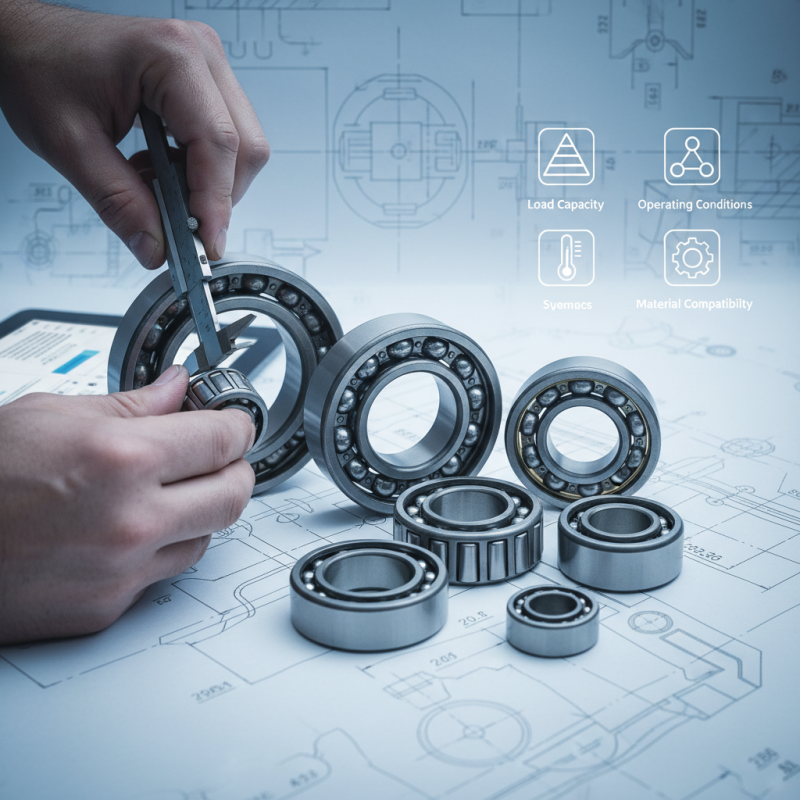
Various factors affect the selection of Ranger Bearings, such as load capacity, operating conditions, and material compatibility. Industry experts emphasize that selecting bearings based on precise application requirements can enhance machinery longevity and reliability. However, many users overlook these critical factors, leading to unexpected issues.
Investing time in the right choices can save significant costs and improve performance. Even seasoned engineers occasionally make mistakes in bearing selection. It’s essential to take a more nuanced approach, considering all variables to avoid pitfalls. The right Ranger Bearings can make a substantial difference in performance outcomes.
Factors to Consider When Choosing Ranger Bearings for Your Application
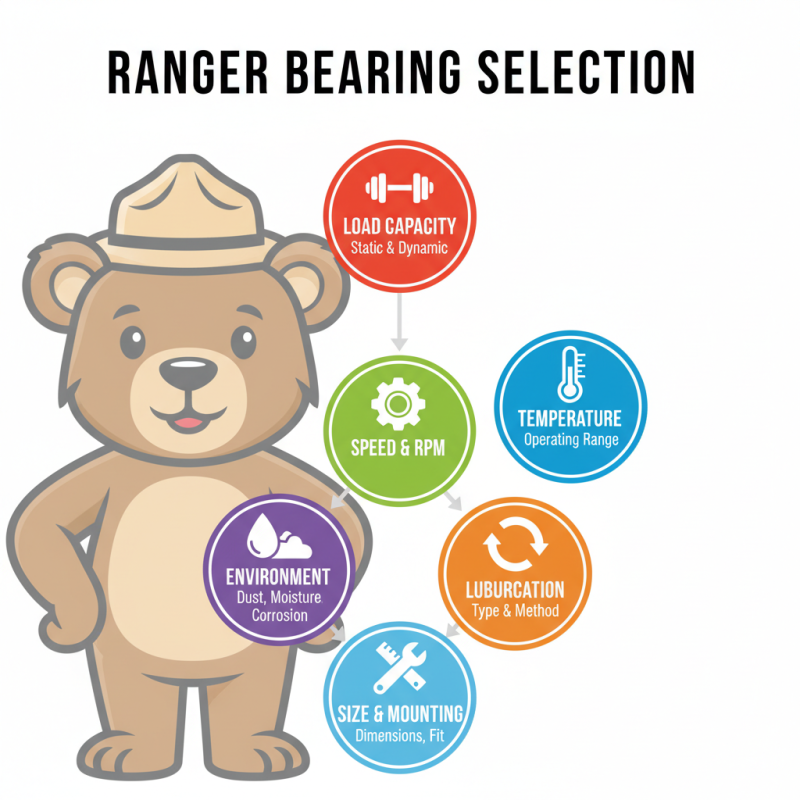
Choosing the right Ranger bearings for your application involves multiple critical factors. Load capacity is paramount. According to industry reports, bearings can fail when they are not rated properly for the intended load. For instance, a bearing used in a heavy-duty application must support significantly more weight than one used in light machinery. Understanding load specifications helps prevent costly downtimes.
Environmental conditions also play a crucial role. Whether in high temperatures or corrosive environments, bearings must withstand harsh conditions. Data indicates that over 30% of bearing failures occur due to environmental factors. Selecting the right material, such as stainless steel or ceramic, can mitigate such issues. It’s vital to assess these elements before making a decision.
Additionally, lubrication type should not be overlooked. Some applications require grease, while others need oil or even dry lubrication. Inappropriate lubrication choices can lead to increased friction and premature failure. Studies show that nearly 25% of bearing malfunction directly correlates with improper lubrication management. Take the time to evaluate your lubrication needs as part of your overall strategy.
Understanding Load Ratings and Their Impact on Bearing Performance
Selecting the right bearings for your applications involves a deep understanding of load ratings. Load ratings determine how much weight the bearings can safely carry. The right rating helps ensure that your machinery operates efficiently and has a longer lifespan. Too low a rating can lead to premature failure. High loads may not just overwhelm the bearings but could also affect nearby components.
It's worth noting that there are dynamic and static load ratings. Dynamic ratings relate to moving parts, while static ratings are for stationary applications. Consider the environment as well. Factors like temperature and humidity can impact performance. Choosing the right type requires assessing your specific needs. Sometimes, the highest load rating isn’t necessary. Overrating can lead to increased costs and wasted resources.
You may find conflicting information when researching. Always cross-check data from reliable sources. Understanding how load ratings impact performance can be complex, but it’s crucial. Real-world applications often reveal imperfections. It’s easy to assume one size fits all, but often, that leads to mistakes. Don't overlook the importance of tailor-fitting your choices to the unique demands of your equipment.
Load Ratings of Ranger Bearings
This chart illustrates the relationship between different load ratings (in kilograms) and corresponding bearing sizes (in millimeters). Understanding these ratings is crucial for selecting the appropriate ranger bearings for various applications.
Material Composition: Selecting the Right Material for Ranger Bearings
When selecting the right material composition for ranger bearings, it's essential to consider the operating environment. For instance, bearings used in high-temperature applications need special materials. Options like ceramic or high-temperature polymers can be suitable here. In contrast, if the bearings will face moisture or exposure to chemicals, stainless steel or plastic composites may be more effective.
Understanding the specific requirements of your application can be challenging. It often involves weighing durability against flexibility. Rigid materials may provide long-lasting performance, but they could break under sudden stress. On the other hand, more flexible materials might wear out quickly under heavy loads. It's vital to evaluate the trade-offs and identify which aspects are most crucial for your needs.
Testing different materials in real-world conditions can provide valuable insights. Tracking the performance over time helps in making informed decisions. Take notes on how various materials respond under pressure, temperature, and environmental factors. This reflective approach can lead to better selections and optimized bearing longevity.
Environmental Conditions: How Temperature and Moisture Influence Bearing Choice
When selecting the right ranger bearings, environmental conditions play a crucial role.
Temperature fluctuations can significantly affect bearing performance. High heat may cause materials to expand, leading to increased friction. Conversely, extremely low temperatures can make materials brittle, risking failure. It’s essential to assess the operating temperature range before making a choice.
Moisture is another key factor in bearing selection. Corrosion can result from humidity. Bearings exposed to moisture without proper sealing are at risk. Investing in moisture-resistant options is advisable for humid environments. However, not every sealing solution is perfect; some may impede motion. Testing different designs can lead to better results.
In some cases, weighing the pros and cons is necessary. Features that offer resistance may also introduce drawbacks, such as increased friction in certain scenarios. Analyzing specific applications helps pinpoint the most suitable choice. Experimentation is often required to find the optimal balance between performance and environmental resilience.
The Role of Lubrication in Enhancing Ranger Bearings' Lifespan and Efficiency
Lubrication plays a critical role in the performance and lifespan of ranger bearings. Effective lubrication not only reduces friction but also helps in heat dissipation. Research from industry sources indicates that proper lubrication can extend bearing life by up to 50%. It creates a protective film that keeps contaminants out, enhancing reliability in demanding environments.
Different applications require specific lubricants. For instance, high-temperature operations benefit from synthetic lubricants, while environments with moisture may require water-resistant grease. A study by the Bearing Manufacturers Association showed that using the right lubricant improves efficiency by approximately 15%. However, choosing the wrong lubricant can lead to premature wear and failure. This highlights the importance of understanding your specific needs.
Regular maintenance is essential. Over time, lubricants can degrade, which necessitates timely replacement. Many operators overlook this aspect, leading to unexpected downtime. A survey found that 30% of bearing failures are linked to inadequate lubrication practices. Reflecting on these insights can help users make informed choices, enhancing both operational efficiency and component lifespan.