How to Choose the Right Ranger Bearings for Your Applications?
When it comes to machinery and equipment, selecting the right components is crucial. Ranger Bearings are known for their reliability and performance. However, choosing the correct type can be daunting. Many factors come into play, like load capacity, speed, and application type.
Different applications require different specifications. Some may need high precision, while others prioritize durability. The environment also matters. For instance, a bearing used in harsh conditions should resist corrosion and wear. Missing these details can lead to failures and increased costs. It’s essential to assess each need carefully.
Ranger Bearings offer various options, each tailored for specific needs. Consider what you really require in your application. Sometimes, compromises are necessary, which can be frustrating. Remembering to evaluate all factors will help in making informed choices that enhance your machinery's efficiency.
Understanding the Types of Ranger Bearings Available in the Market
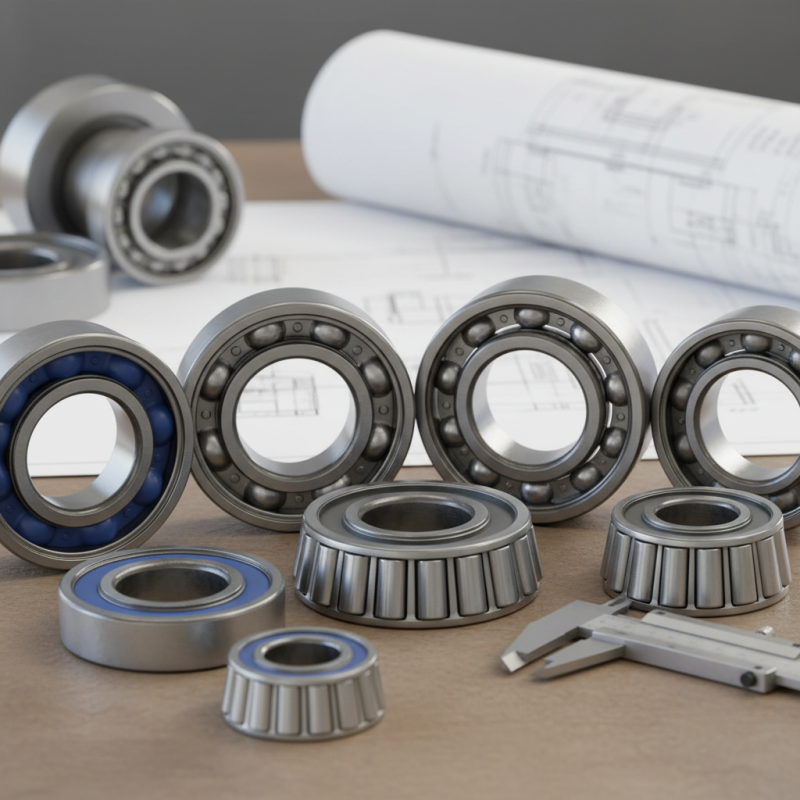
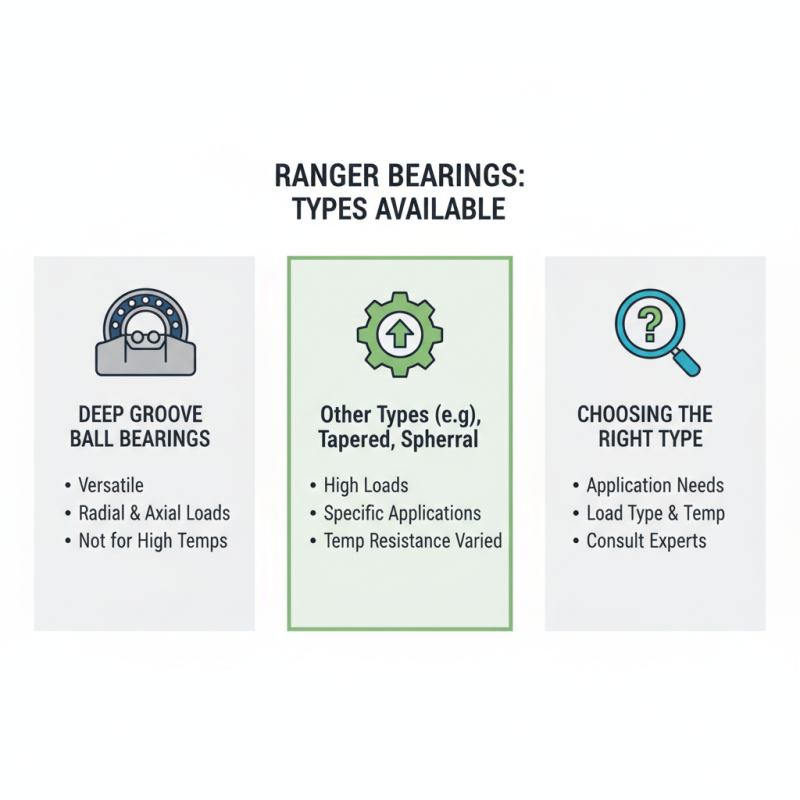
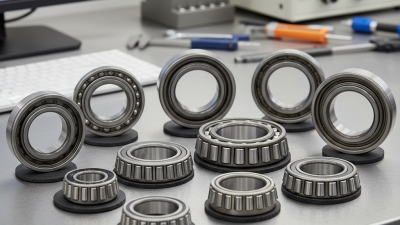
When selecting the right ranger bearings, understanding the types available is crucial. Various types cater to different needs. Deep groove ball bearings are versatile, suitable for many applications. They can handle radial and axial loads efficiently. However, they may not endure high temperatures well.
Another type is tapered roller bearings. They excel in handling heavy loads, thanks to their unique design. These bearings also allow for angular adjustments, making them ideal for certain machinery. Yet, they can be more complex to install and maintain. This complexity may lead to user errors if not approached carefully.
Thrust bearings are designed for axial loads only. They are vital in applications where directional force is a concern. But, they often come at a higher cost. It’s essential to evaluate the trade-offs between price and performance. Each type has distinct advantages and limitations. Reflecting on your specific needs can guide you in making the best choice in ranger bearings.
Key Factors to Consider When Selecting Ranger Bearings
Choosing the right ranger bearings is vital for optimal equipment performance. There are several key factors to consider when making this decision.
Load capacity is crucial; it determines how much weight the bearing can handle. Mismatching load capacity can lead to premature failure and unplanned outages. Consider the
working environment as well. Factors like temperature and humidity can affect bearing performance. It's essential to choose bearings designed for specific conditions.
Another important aspect is the speed rating. Some applications require high-speed rotation, while others operate at lower speeds. Selecting a bearing with an unsuitable speed rating may
result in overheating and damage. Additionally, lubrication must be addressed. Ensure the chosen bearing is compatible with the type of lubrication your application
requires. This may seem straightforward, but many overlook this detail. Remember, even minor misalignments can lead to significant issues down the line.
Materials used in bearings are also significant. Different materials provide varying levels of durability and resistance to wear. For example, ceramic bearings are
lightweight and durable, but they may not be suitable for all applications. It's necessary to evaluate the trade-offs. Lastly, consider maintenance requirements. Some bearings demand
regular upkeep, while others are designed for endurance. It's helpful to assess your team's ability to maintain the bearings. This awareness can influence the longevity of the equipment.
Evaluating Load and Speed Requirements for Your Application
When selecting ranger bearings, understanding load and speed requirements is crucial. Different applications demand specific load capacities. For example, heavy machinery might require bearings that can handle radial loads exceeding 10,000 pounds. In contrast, smaller applications may only need a fraction of that capacity, around 1,000 pounds. These figures impact which bearings are suitable for various tasks.
Speed is another critical factor. Bearings in high-speed applications, such as turbines, may spin at over 15,000 RPM. Supporting such speeds requires specialized bearings designed for low friction. Yet, improper selection can lead to failures. A report indicates that nearly 20% of bearing failures stem from misalignment. This accentuates the need to not only factor in speeds but also ensure proper installation and maintenance to prolong bearing life.
Moreover, environmental conditions play a role. Corrosive environments might demand bearings with protective coatings, even if load and speed seem acceptable. The complexity of these variables can be overwhelming. Many users often underestimate the importance of regular inspections, which can identify potential issues before they escalate. Attention to detail in this area can be the difference between efficient operation and costly downtime.
Material Compatibility and Environmental Considerations
When choosing the right bearings, material compatibility is crucial. Different applications demand specific materials.
Metal, plastic, or ceramic can be ideal based on use. For corrosive environments,
stainless steel often stands out. It's strong and resistant to rust.
But is it always the best choice? Not necessarily. Weighing the pros and cons is essential.
Environmental factors greatly influence material selection. Bearings in high-temperature areas may need specialized materials.
They must withstand heat and stress. What about low temperatures? Some materials become brittle and fail.
Contamination from dust or chemicals can also affect performance. Regular checking is vital to ensure longevity and efficiency.
In practical scenarios, experiences vary. Some users find premature wear in certain conditions.
This can stem from poor material selection. Others report that even standard materials perform well.
It highlights the importance of testing in real-life applications. Are you ready to adapt your choices as needed?
Best Practices for Installation and Maintenance of Ranger Bearings
Proper installation and maintenance of bearings are critical for optimal performance. Reports indicate that nearly 50% of bearing failures are due to improper installation. Misalignment, contamination, and insufficient lubrication can lead to significant downtime. It’s essential to ensure your workspace is clean. Shafts and housing should be free of debris and dirt.
When it comes to lubrication, selecting the correct type is vital. About 80% of bearings can fail prematurely due to improper lubrication choices. Following the manufacturer's guidelines for lubricants can significantly affect the lifespan of the bearings. Regular checks for lubrication levels are necessary too. However, over-greasing can lead to overheating and failure.
Regular inspections cannot be overlooked. Vibration analysis can help identify potential issues early, saving time and cost in repairs. Over 30% of mechanical failures stem from neglect in monitoring bearing performance. The right tools can make a difference. Using a torque wrench to ensure proper fastening is crucial. Small errors here can lead to larger problems later.