How to Choose the Right Rear Ball Bearing for Your Needs?
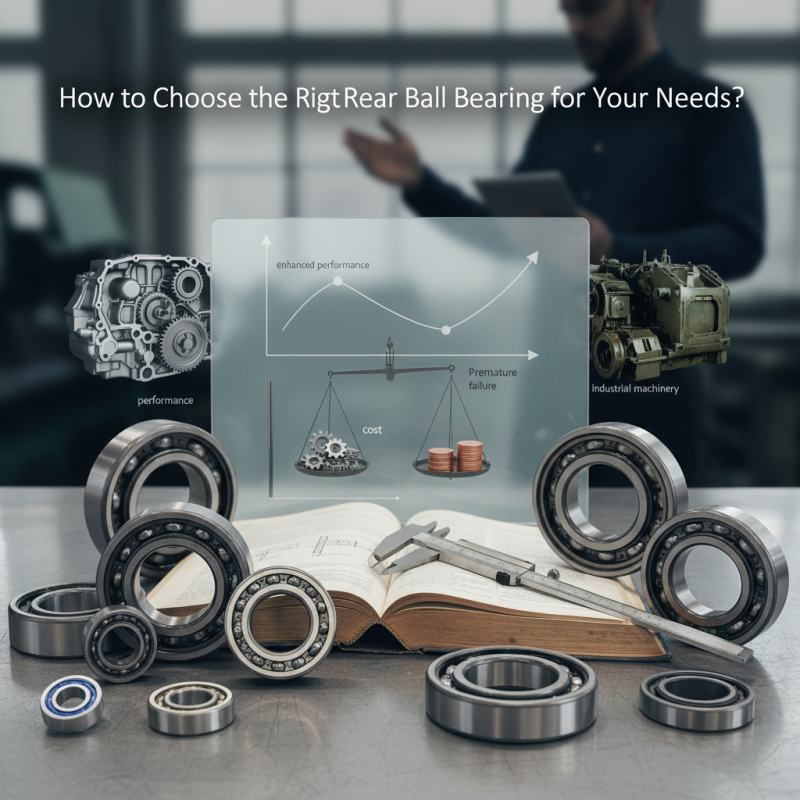
Selecting the right rear ball bearing can seem daunting. Many factors come into play. Renowned expert Mark Johnson states, "The right bearing can enhance performance significantly." This simple statement holds truth in various applications, from automotive to industrial machinery.
Manufacturers produce rear ball bearings in a variety of sizes and materials. Understanding these options is crucial. The performance of your equipment often hinges on this choice. A mismatch can lead to wear or premature failure.
Consider the load requirements and environmental conditions. Each situation offers unique challenges. It’s not always easy to find the perfect fit, and sometimes, the results can be underwhelming. Hence, assessing your specific needs is essential. A careful approach will lead to better outcomes. Balancing cost with performance can be tricky. Investing time in research is often worth the effort.
Understanding the Different Types of Rear Ball Bearings
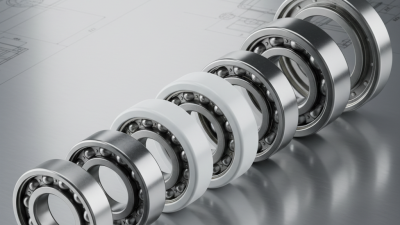
When selecting a rear ball bearing, understanding the different types is essential. There are multiple styles, each designed for specific applications.
Angular contact bearings are ideal for handling thrust loads. They can withstand axial loads in one direction.
Deep groove ball bearings, on the other hand, are versatile. They accommodate radial and axial loads in both directions.
Materials used in bearings vary greatly. Steel is common, but ceramic is becoming more popular. Ceramic bearings are lighter and resist corrosion. However, they can be more fragile. Keep this in mind when making a choice.
Not every bearing is suitable for every application. Some may perform well under high speeds, but not under heavy loads. This could lead to premature failure. Consider the environment too. Dust, moisture, and extreme temperatures can affect performance. It's crucial to match the bearing type with the conditions it will face.
Evaluating Load Capacity and Size Requirements
When selecting a rear ball bearing, evaluating load capacity is crucial. It determines how much weight the bearing can support. Misjudging this can lead to failures. A bearing designed for high loads won't perform well in lighter applications. Conversely, a bearing that can't carry the expected load may fail quickly.
Size requirements can't be overlooked. Measure the space available carefully. Bearings come in various sizes. If the space is too snug, installing the bearing becomes challenging. An oversized bearing might not fit at all. Consider the shaft diameter and housing dimensions. Also, think about the intended use. High-speed applications often require specific sizes and materials.
Sometimes, users forget to account for environmental factors. Is it exposed to moisture or dust? Choosing the wrong bearing can lead to premature failure. Reflect on your needs. Each choice impacts overall performance. Gauge your options carefully. Don’t rush the decision-making process.
Load Capacity Comparison of Rear Ball Bearings
This bar chart illustrates the load capacity of various rear ball bearings. Choose the right one based on your load requirements.
Material Selection: Steel vs. Ceramic Bearings
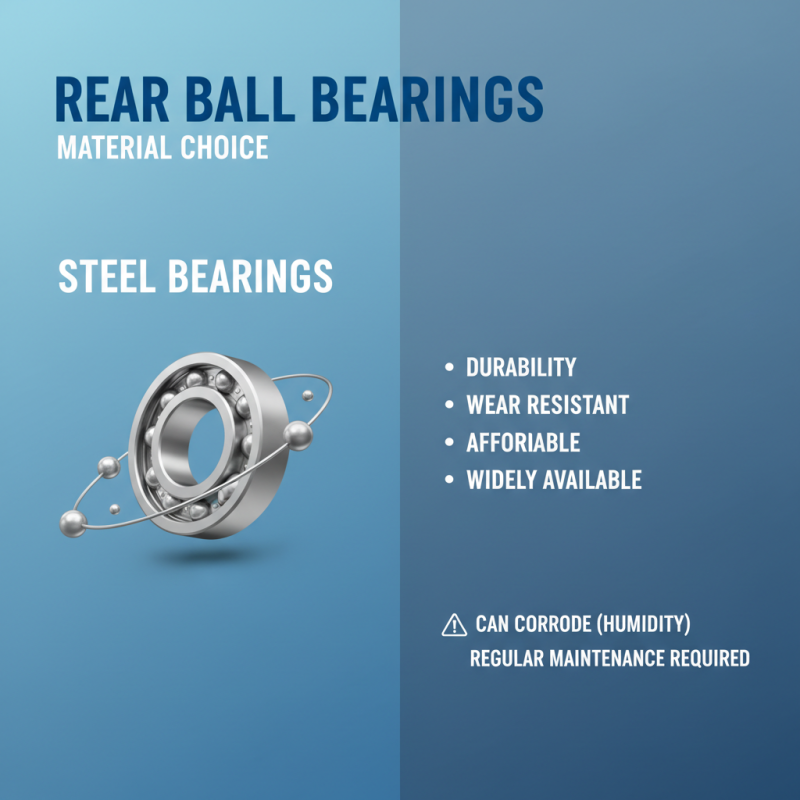
When selecting rear ball bearings, material choice plays a crucial role. Steel and ceramic bearings each have unique attributes. Steel is known for its durability and resistance to wear. It's often more affordable and widely available, making it a popular option. However, steel can corrode over time, especially in humid conditions. Regular maintenance is needed to prolong its life.
On the other hand, ceramic bearings offer lighter weight and superior performance. They resist corrosion and wear better than steel. They also run cooler, which can enhance efficiency. However, ceramic bearings are often more expensive and can be more fragile. This fragility may require careful handling. Yet, for high-performance applications, this extra investment may be worthwhile.
While many choose based on price alone, it's essential to consider specific needs. Will you prioritize longevity or performance? Are you willing to invest more initially for better outcomes? These questions require reflection. Balancing cost with function is vital for making the right choice. The material can significantly impact your equipment's reliability and longevity.
Assessing Performance Factors: Speed and Lubrication
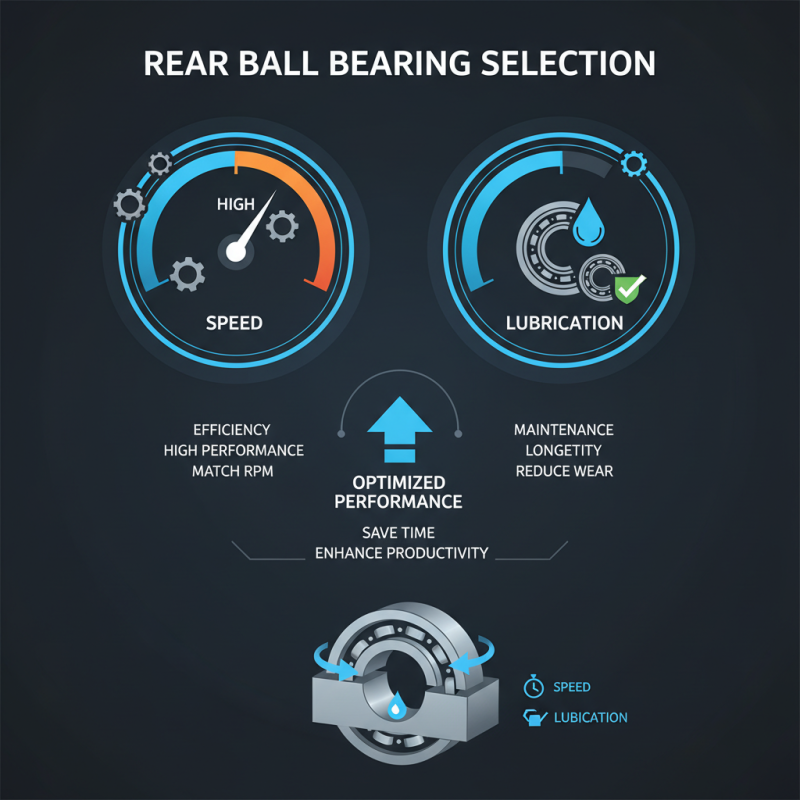
When selecting a rear ball bearing, speed and lubrication are key factors. Speed affects efficiency, particularly in high-performance applications. A bearing that spins too slowly can hinder overall performance. Conversely, a bearing rated for high speeds may wear out quicker if not properly maintained. Understanding the speed requirements for your specific application is crucial. An informed choice can save time and enhance productivity.
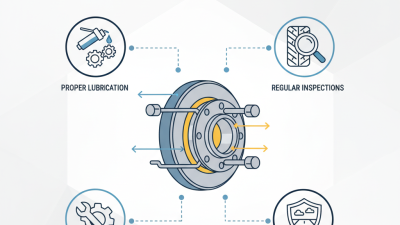
Lubrication plays a significant role in bearing longevity. Proper lubrication reduces friction and prevents overheating. It’s important to choose the right type of lubricant, whether it be oil or grease. Each lubricant has its own properties and optimal uses. For example, grease may work well for high-load scenarios, while oil might be ideal for high-speed conditions. However, over-lubrication can lead to issues; a careful balance is needed.
Reflection on your choices is vital. Many overlook the impact of these factors until problems arise. Learning from past experiences can guide you in making better decisions. Are you prioritizing speed over longevity? Are you considering the reversing effects of inadequate lubrication? These are questions worth pondering as you make your selection.
Budget Considerations and Brand Reputation
When selecting a rear ball bearing, budget considerations play a vital role. High-quality bearings often come with a higher price tag. However, spending less may lead to faster wear and tear. It's essential to strike a balance between price and performance. Cheaper options might seem appealing, but they can cause more problems in the long run. Consider the total cost of ownership, not just the initial purchase price.
Brand reputation is another factor worth pondering. A well-established brand typically offers a level of reliability. Brands with a history of customer satisfaction often provide better support and warranty options. Researching customer reviews can reveal potential issues. However, be cautious of overly positive feedback, as some might be paid promotions.
Ultimately, the decision shouldn't be rushed. Reflect on your specific needs and usages. Think about the application context and expected load conditions. Making an informed choice requires time and effort. A focus on long-term performance can save money and hassle down the road.
How to Choose the Right Rear Ball Bearing for Your Needs? - Budget Considerations and Brand Reputation
| Bearing Type |
Price Range ($) |
Load Capacity (lbs) |
Material |
Speed Rating (RPM) |
Brand Reputation (Reviews) |
| Standard Ball Bearing |
20 - 50 |
1000 |
Steel |
3000 |
Average |
| High-Speed Ball Bearing |
50 - 100 |
800 |
Ceramic |
12000 |
Excellent |
| Sealed Ball Bearing |
30 - 70 |
1200 |
Stainless Steel |
5000 |
Good |
| Lightweight Ball Bearing |
15 - 40 |
600 |
Plastic |
2000 |
Average |