How to Choose the Best Gear Box Bearings for Your Needs?
Choosing the right Gear Box Bearings is crucial for optimal performance. Bearings are essential components in many machinery applications. They reduce friction and allow for smooth movement. However, selecting the wrong type can lead to mechanical failure and increased costs.
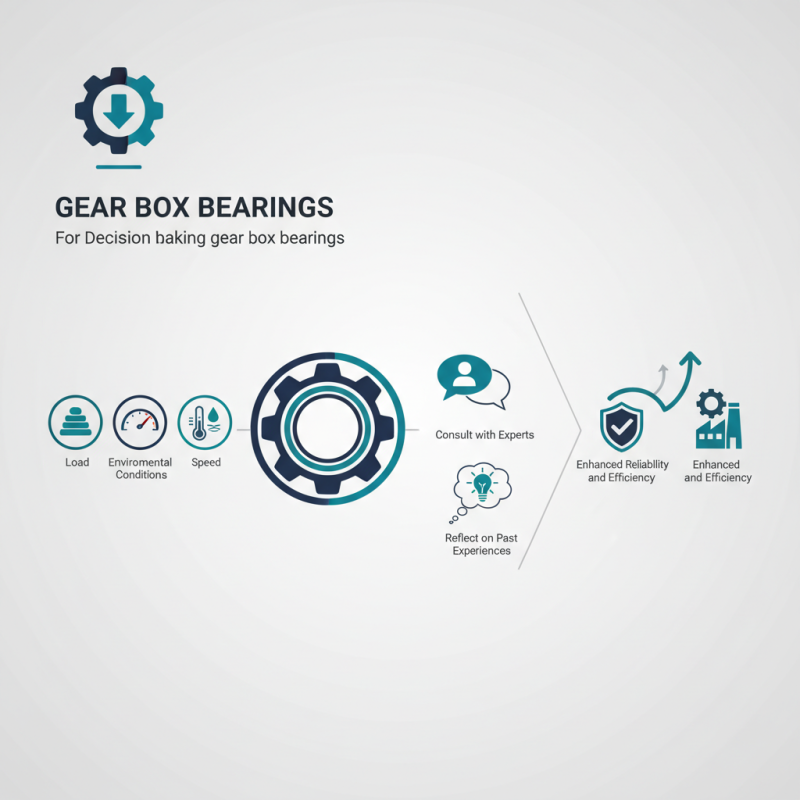
Consider your operating conditions carefully. Factors like load, speed, and environmental conditions affect bearing performance. For instance, high speeds may require specialized materials. Additionally, extreme temperatures could influence the lifespan of the bearings.
Consult with experts if you're uncertain. Industry specialists can guide you in making an informed decision. This is also a chance to reflect on past experiences with gear failures. Such reflections often reveal nuances that are easy to overlook. Prioritizing the right Gear Box Bearings will ultimately enhance reliability and efficiency in your operations.
Understanding the Role of Gear Box Bearings in Machinery Performance
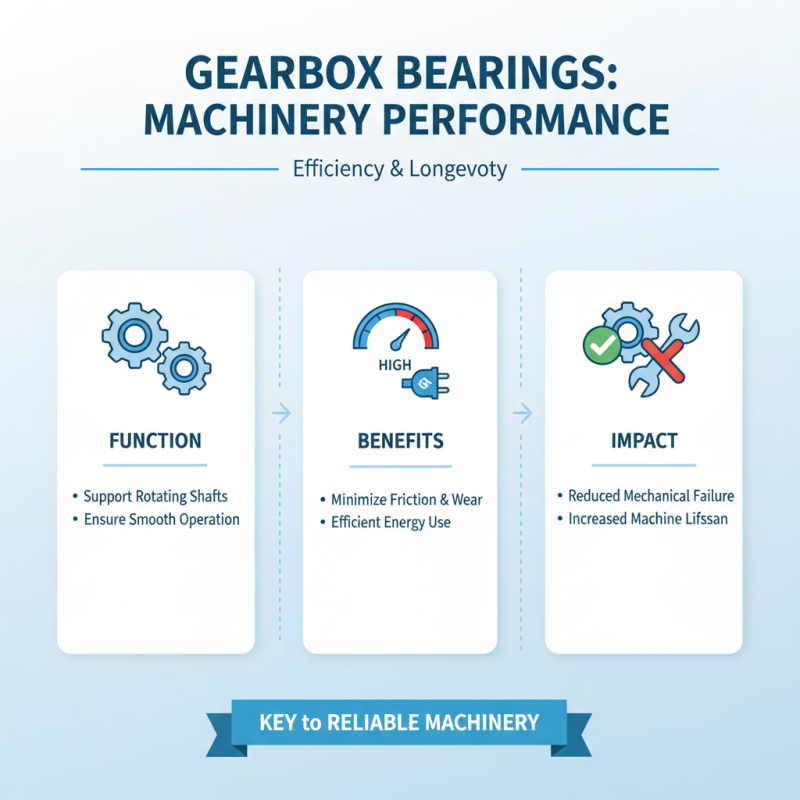
Gearbox bearings play a crucial role in machinery performance, affecting efficiency and longevity. They support the rotating shafts within gearboxes, ensuring smooth operation. When these bearings function correctly, they minimize friction and wear. This leads to more efficient energy use and reduces the risk of mechanical failure.
Selecting top-quality bearings is essential. The right choice depends on load capacity, speed, and environmental conditions. Factors such as temperature fluctuations and exposure to contaminants can impact bearing life. A bearing that excels in one scenario may underperform in another.
It's important to recognize that even high-quality bearings may fail. Proper maintenance and regular inspections can identify issues before they lead to costly repairs. Understanding the specific needs of your machinery makes all the difference in choosing the best gearbox bearings. Making an informed decision helps ensure optimal performance and durability in your equipment.
Key Factors to Consider When Selecting Gear Box Bearings
When selecting gear box bearings, several key factors warrant consideration. The load capacity is crucial. Bearings must support varying loads during operation. According to industry experts, a gear box bearing's load rating can influence its longevity by up to 30%. Choosing the right load capacity ensures that the bearings function efficiently under pressure.
Another factor to consider is the operating environment. Temperature extremes and exposure to contaminants can affect bearing performance. A study by the National Institute of Standards and Technology noted that bearings lose 50% of their life expectancy at operating temperatures above 70°C. Materials and precision of manufacturing play pivotal roles as well. High-quality seals can prevent debris ingress, which enhances the performance and lifespan of the bearings.
Lubrication shouldn’t be overlooked. The type and amount of lubricant can affect gear performance significantly. Incorrect lubrication can lead to increased friction, leading to premature wear. Approximately 40% of bearing failures result from lubrication issues, as reported by the American Bearing Manufacturers Association. Evaluating these factors helps in selecting the best gear box bearings tailored to specific operational needs. Updated industry standards can guide this selection process for better reliability.
How to Choose the Best Gear Box Bearings for Your Needs? - Key Factors to Consider When Selecting Gear Box Bearings
| Factor |
Description |
Importance |
Recommendation |
| Load Capacity |
The maximum load that the bearing can support without failure. |
High |
Consider bearings that exceed your expected load requirements. |
| Speed Rating |
The rotational speed at which the bearing can operate efficiently. |
Medium |
Choose bearings designed for high RPM if required. |
| Material |
The material the bearing is made of impacts durability and performance. |
High |
Select high-quality materials for long-lasting performance. |
| Lubrication |
Proper lubrication ensures smooth operation and reduces wear. |
High |
Consider bearings that come pre-lubricated or have good grease retention. |
| Sealing Type |
Seals prevent contamination and retain lubrication. |
Medium |
Opt for sealed bearings in dusty or wet environments. |
Types of Gear Box Bearings and Their Applications
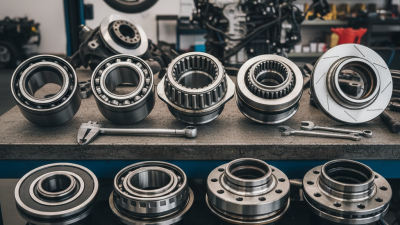
When selecting gear box bearings, understanding their types is crucial. There are several options available that serve distinct functions. For instance, roller bearings are common for handling high radial loads. They provide excellent reliability in many industrial applications. On the other hand, ball bearings excel in environments where space is a constraint. They are well-known for their versatility.
Tip: Consider the load requirements before you choose. It can change your bearing selection significantly.
Another key type is tapered roller bearings, which aid in accommodating both axial and radial loads. This dual capability makes them popular in heavy-duty applications. However, installing these bearings can be complex, potentially leading to alignment issues. Proper attention to detail during installation is essential to avoid future problems.
Tip: Regular maintenance can prolong the lifespan of your bearings. Monitoring wear and tear is vital.
Lastly, needle bearings work well for compact mechanisms. They support high loads while occupying minimal space. Still, they often require proper lubrication to function efficiently. Neglecting this aspect could result in premature failure.
Tip: Always follow the manufacturer's guidelines for lubrication. It's essential for optimal performance.
Types of Gear Box Bearings and Their Applications
Material Considerations for Durability and Performance
When selecting gearbox bearings, the material used plays a crucial role in both durability and performance. Common materials include steel, ceramics, and polymers. Each of these brings different advantages and limitations.
Steel is often chosen for its strength and load-bearing capacity. However, it may suffer from corrosion if not properly treated. In contrast, ceramic bearings resist wear and can handle higher temperatures. Still, they are often more brittle and can be expensive.
Polymer bearings offer a lighter option, often found in applications where weight is a concern. Their resistance to corrosive environments is a distinct advantage. However, they generally have lower load capacities compared to metal options. Balancing these materials depends on your specific operational conditions.
Think about factors such as temperature, load, and exposure to chemicals.
Consider potential trade-offs. A stronger material may not be feasible if costs are prohibitive. Will a higher initial investment lead to long-term savings? Identify your critical needs while being aware of the limitations of each material type. It’s crucial to evaluate whether the performance benefits justify potential drawbacks.
Maintenance Tips for Ensuring Longevity of Gear Box Bearings
Proper maintenance of gear box bearings is crucial for their longevity. Regular inspections help identify wear and damage early. Look for signs like unusual noise or vibration. Simple, routine checks can prevent costly failures in the future.
Lubrication is another key factor. The right lubricant reduces friction and dissipates heat. However, over-lubricating can lead to grease buildup. Check the manufacturer's recommendations for optimal intervals. Keeping a log of maintenance tasks can improve accountability in your equipment care.
Monitoring operating temperatures is essential. High temperatures may indicate insufficient lubrication or misalignment. Consider investing in temperature sensors for continuous monitoring. Documenting these findings helps in adjusting maintenance strategies. A mix of diligence and careful observation goes a long way.