Discover the Best Mini Bearing 3mm Options in China Top Quality Market?
In the rapidly evolving world of precision engineering, Mini Bearing 3mm options hold significant importance. Renowned expert Dr. Emily Chen emphasizes, "Selecting the right mini bearing can greatly impact performance." This highlights the critical nature of choosing quality products.
China's market offers a vast array of Mini Bearing 3mm options, varying in design and functionality. While many products promise high durability and efficiency, not all meet stringent industry standards. When considering purchases, buyers should prioritize reliability and performance.
Despite the abundance of choices, it can be overwhelming to navigate this complex landscape. Many users find it challenging to discern between the best options. It's essential to balance cost with quality. Making an informed choice requires careful research and knowledge of the market. In the quest for optimal Mini Bearing 3mm solutions, awareness of potential pitfalls can lead to better decisions.

Understanding Mini Bearings: What Are 3mm Bearings and Their Uses?
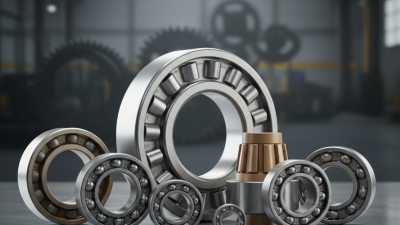
Mini bearings, particularly 3mm options, play a vital role in many applications. These tiny components enable smooth and efficient movement in machines. Their size makes them suitable for compact devices, such as drones, electronics, and models. Using 3mm bearings can enhance performance and precision in these small systems.
Understanding the composition and function of mini bearings is essential. They typically consist of an inner and outer ring, balls, and a cage. These parts work together to minimize friction and wear. However, not all mini bearings are created equal. Variations in materials and designs can affect durability and performance. Users often overlook quality, which can lead to premature failure. It's crucial to invest time in selecting the right bearings for your specific needs.
Precision is key in the world of mini bearings. Balancing size and performance can be challenging. Many manufacturers emphasize quality control, yet inconsistencies may still arise. Regular maintenance is often neglected, impacting bearing lifespan. Recognizing these factors can make all the difference in achieving optimal results.
Market Analysis: Top Manufacturers of 3mm Mini Bearings in China
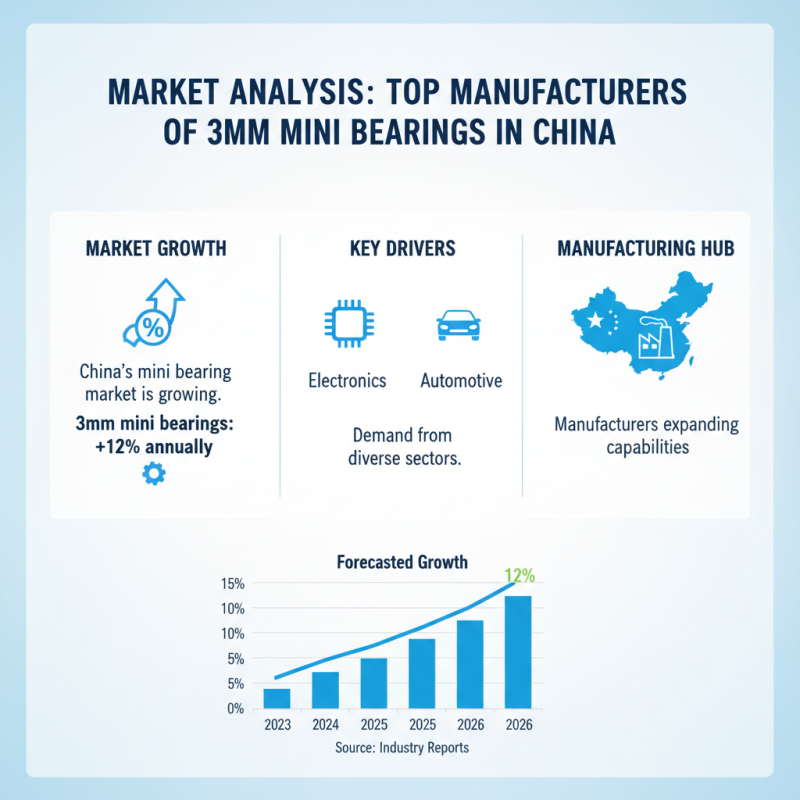
The mini bearing market in China has shown remarkable growth. As manufacturers expand their capabilities, 3mm mini bearings are gaining significant attention. According to industry reports, this segment is expected to increase by over 12% annually. This rise is driven by demand in various sectors, including electronics and automotive.
In China, several manufacturers have established themselves as key players. They focus on precision and reliability, which are essential for mini bearings. Reports suggest that the leading manufacturers prioritize quality control and innovative designs. This ensures their products meet stringent international standards. However, not all manufacturers maintain these quality levels, highlighting the need for careful supplier selection.
Tips: When sourcing mini bearings, consider inspecting production facilities. Look for ISO certifications and quality assurance processes. This can prevent potential quality issues later on. Always evaluate multiple suppliers to ensure you receive the best product for your needs. Checking customer reviews can also provide insights into reliability.
Quality Standards: Certifications Relevant to Mini Bearing Production
The mini bearing industry in China is governed by strict quality standards. Certifications play a critical role in ensuring that products meet the required safety and performance criteria. ISO 9001 and ISO 14001 are common certifications that indicate adherence to international quality management and environmental standards. These certifications help manufacturers achieve operational excellence.
According to industry reports, almost 70% of mini bearings exported from China hold relevant certifications. This is essential for gaining client trust and improving market competitiveness. A product with proper certification can assure buyers of its reliability. However, not all manufacturers prioritize certification. This raises concerns about the quality of unregulated products in the market.
Moreover, testing standards such as ABEC (Annular Bearing Engineers' Committee) grades identify precision levels in bearings. Bearings with ABEC 1 to 9 ratings vary in terms of tolerance and performance. Companies must invest in periodic audits and inspections to maintain these standards. Nonetheless, financial constraints can lead to lapses in compliance, affecting product quality. Firms must remain vigilant and responsive to these challenges to uphold industry standards.
Discover the Best Mini Bearing 3mm Options in China Top Quality Market
| Bearing Type |
Material |
Load Capacity (N) |
Certification |
Price (USD) |
| Mini Deep Groove |
Stainless Steel |
100 |
ISO 9001 |
0.50 |
| Mini Flanged |
Brass |
80 |
CE |
0.45 |
| Mini Ceramic |
Ceramic |
120 |
RoHS |
1.50 |
| Mini Shielded |
Chrome Steel |
150 |
ANSI/ABMA |
0.65 |
| Mini Open |
Polymer |
60 |
ISO 14001 |
0.30 |
Comparative Performance: Evaluating Material Types for 3mm Bearings
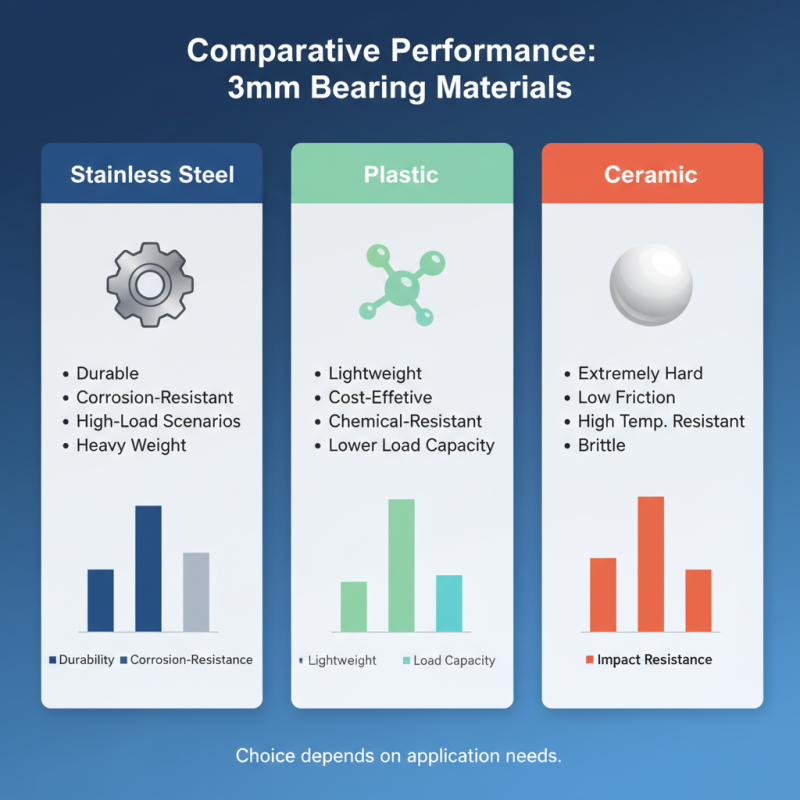
When evaluating 3mm bearings, the choice of material is crucial. Common materials include stainless steel, plastic, and ceramic. Stainless steel bearings are durable and corrosion-resistant, making them ideal for various applications. They offer excellent performance in high-load scenarios, yet they can be heavy in weight.
Plastic bearings are lightweight and resistant to moisture and chemicals. However, they may not withstand heavy loads as effectively as metal options. Their utility shines in environments where weight savings are critical. There's a noticeable trade-off between durability and weight here.
Ceramic bearings are praised for their low friction and high precision. They provide enhanced performance, especially in demanding conditions. However, they come at a higher cost. Each material has its pros and cons, leading to different user experiences. Understanding these nuances can influence your selection. It’s essential to reflect on your specific needs before making a decision.
Cost Factors: Pricing Trends for 3mm Mini Bearings in China's Market
The demand for 3mm mini bearings in China has been on the rise, driven by their applications in various industries. As of 2023, the market report indicates that the average price for these bearings ranges from $0.10 to $1.00 per piece, depending on the quality and material. This price fluctuation is influenced by factors such as manufacturing costs, demand, and suppliers' pricing strategies. Notably, the increase in production costs due to raw material price hikes has prompted many manufacturers to adjust their pricing.
Quality remains a critical consideration. Reports show that companies that prioritize high standards in production see more stable pricing and demand. For example, bearings produced using advanced techniques exhibit better performance and durability compared to lower-end products. However, purchasing decisions often involve trade-offs between cost and performance. Many consumers remain cautious, opting for cheaper alternatives, even if they compromise on quality.
The geopolitical landscape also plays a role. Tariffs and international trade agreements impact import prices and availability. Therefore, businesses must stay informed about these factors when sourcing mini bearings. Companies seeking to balance cost and quality should regularly analyze market trends and supplier performance. This approach can help prevent unexpected downgrades in product quality.
3mm Mini Bearings Pricing Trends in China's Market