Why Is Ball Bearing Cost Important for Your Machinery Performance?
Ball bearings are crucial components in many machines. They allow for smooth movement and reduce friction. However, the focus often shifts to the "Ball Bearing Cost." The price of high-quality ball bearings can be significant. Yet, investing in them is essential for optimal machinery performance.
Low-cost ball bearings might seem attractive. But these cheaper options can lead to higher maintenance costs. They might fail sooner, causing downtime and lost productivity. Over time, these costs can outweigh initial savings. Understanding the balance between price and performance is vital.
In machinery, every component plays a role. Ball bearings endure constant stress during operation. Poor-quality bearings can cause vibrations and wear. This compromises the entire system, affecting efficiency. A careful evaluation of ball bearing cost helps in making informed decisions. It’s not just about the price tag; it's about long-term value.
Factors Influencing Ball Bearing Cost in Machinery
When it comes to machinery, the cost of ball bearings plays a critical role. Several factors influence this cost.
Material quality is one such factor.
High-quality steel might come at a premium, but it often results in better performance.
Conversely, lower quality materials can lead to frequent replacements.
The manufacturing process also affects costs.
Precision machining requires skilled labor and advanced technology.
This can push prices higher, but it ensures durability.
Additionally, fluctuations in global markets impact prices.
Manufacturers must be aware of these changes.
Sometimes, a cheaper option might seem appealing.
However, this might compromise the machine's overall efficiency.
Lastly, the size and type of bearings can vary widely. Specialty bearings often carry higher costs.
They can provide unique advantages, but do they justify the expense?
It's a delicate balance.
Investing in ball bearings is critical for reliability.
Managers need to weigh the options carefully.
Quality bearing choices can lead to long-term savings.
Impact of Ball Bearing Quality on Performance and Longevity
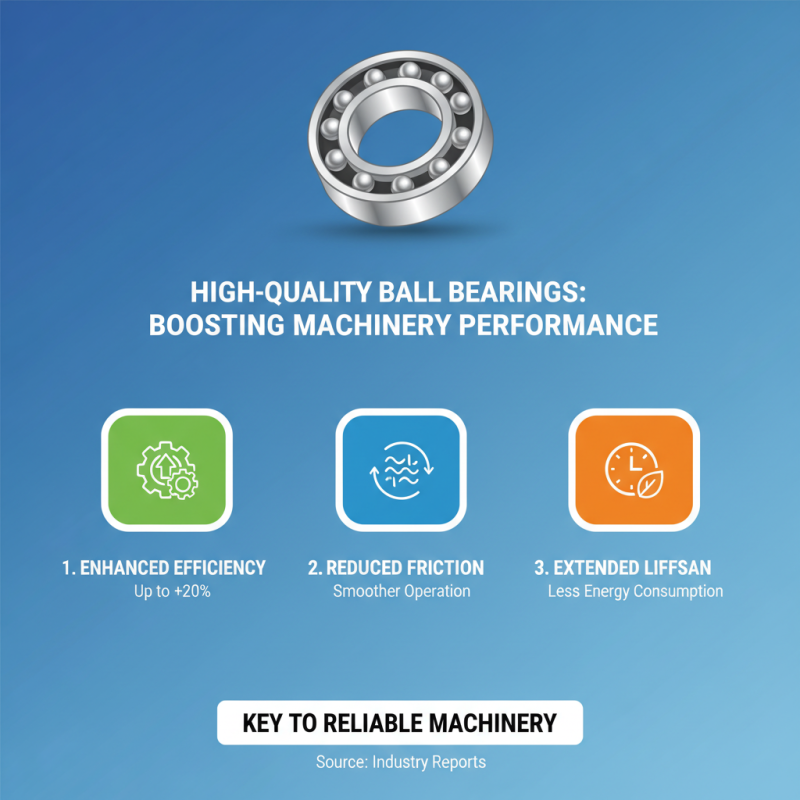
The quality of ball bearings plays a crucial role in machinery performance and longevity. According to industry reports, high-quality ball bearings can enhance efficiency by up to 20%. They reduce friction and enable smoother operation. This results in less energy consumption and prolonged machinery life.
However, not all bearings are created equal. Substandard materials can lead to premature wear and failure. In fact, around 30% of machinery failures are attributed to poor bearing selections. An investment in quality bearings can save costs in the long term.
Additionally, the manufacturing process greatly impacts bearing performance. Precision machining ensures tighter tolerances, resulting in better fit and movement. Diligent maintenance is also vital, with regular inspections recommended every 6 months. Without proper care, even the highest-quality bearings can fail, leading to costly downtimes. Reflecting on these factors helps highlight the importance of choosing the right ball bearing for any machinery setup.
Cost-Benefit Analysis of Different Types of Ball Bearings
When evaluating ball bearings, a cost-benefit analysis is crucial. Different types of ball bearings vary significantly in performance and price. According to industry reports, high-quality ceramic ball bearings can reduce friction by up to 50% compared to standard steel bearings. This friction reduction leads to lower energy consumption. The initial investment in ceramic bearings may be higher, but the long-term savings often justify the price.
Conversely, standard steel ball bearings are more affordable. They are commonly used in everyday machinery. However, their shorter lifespan can result in higher maintenance costs. A study revealed that machines utilizing steel bearings may require replacements every 12 months. In contrast, ceramic counterparts might last three times longer. Companies must weigh the upfront costs against potential maintenance and operational savings.
Examining the specific needs of machinery is essential. Not all applications require high-end solutions. For example, in less demanding environments, steel bearings might perform suitably at a fraction of the cost. This decision-making process is intricate and requires careful consideration of the overall machinery performance versus initial expenses.
Role of Ball Bearings in Reducing Friction and Enhancing Efficiency
Ball bearings play a crucial role in machinery performance. They effectively reduce friction, which is a common enemy of efficiency. Without proper bearings, machinery can overheat or experience wear. This leads to costly breakdowns and maintenance issues.
When designing a machine, it's vital to understand how ball bearings impact energy use. A well-placed ball bearing can significantly decrease the amount of energy needed for rotation. This also improves speed and reduces noise. However, understanding the right type of bearing for specific applications can be complex.
Too often, machinery designers overlook the importance of quality in bearings. Cheaper options may seem appealing but can lead to premature failures. Eventually, this results in increased operational costs and downtime. Regularly assessing bearing performance can help identify potential issues before they escalate.
Impact of Ball Bearing Cost on Machinery Efficiency
Long-Term Savings from Investing in High-Quality Ball Bearings
Investing in high-quality ball bearings can lead to significant long-term savings for your machinery. These components may seem small, yet they play a crucial role in performance. High-quality bearings reduce friction, leading to less wear and tear on machinery. This means fewer breakdowns and a longer lifespan for your equipment.
Cheaper options might appear attractive. However, they can result in higher operational costs over time. Frequent replacements and repairs can drain your budget. Imagine a scenario where a low-cost bearing fails. It can cause a costly shutdown and affect productivity. Spending wisely on quality can prevent such issues.
In some cases, businesses overlook the importance of bearing quality. They focus solely on initial costs. This short-sighted approach can lead to expensive problems down the line. Investing in durable, reliable bearings is crucial. It is an investment in efficiency and performance.